Laguiole Knives
› Free laser engraving
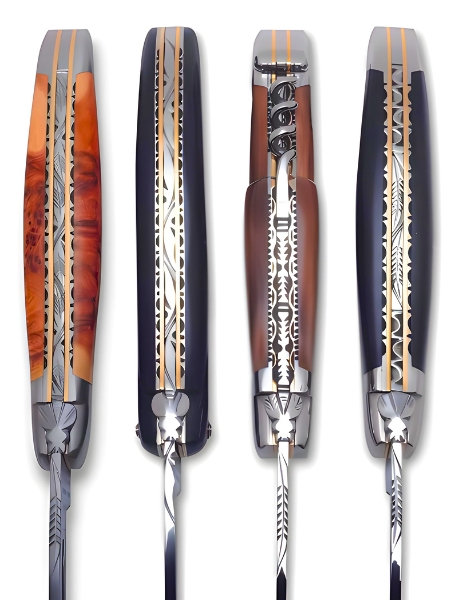
All Laguiole pocket knives
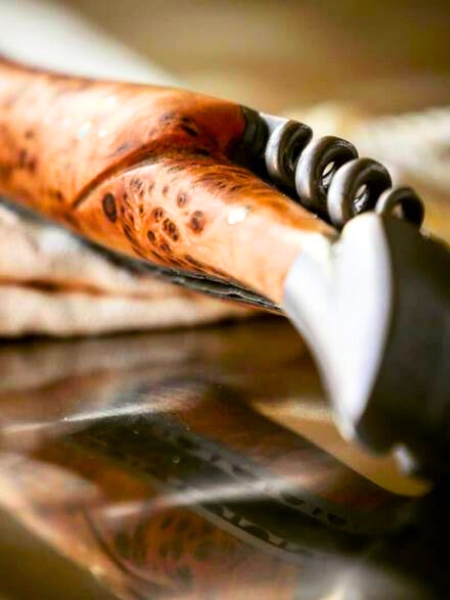
Laguiole knives with corkscrew
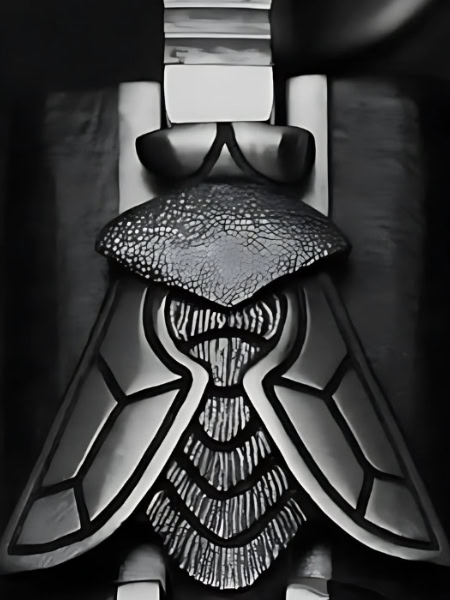
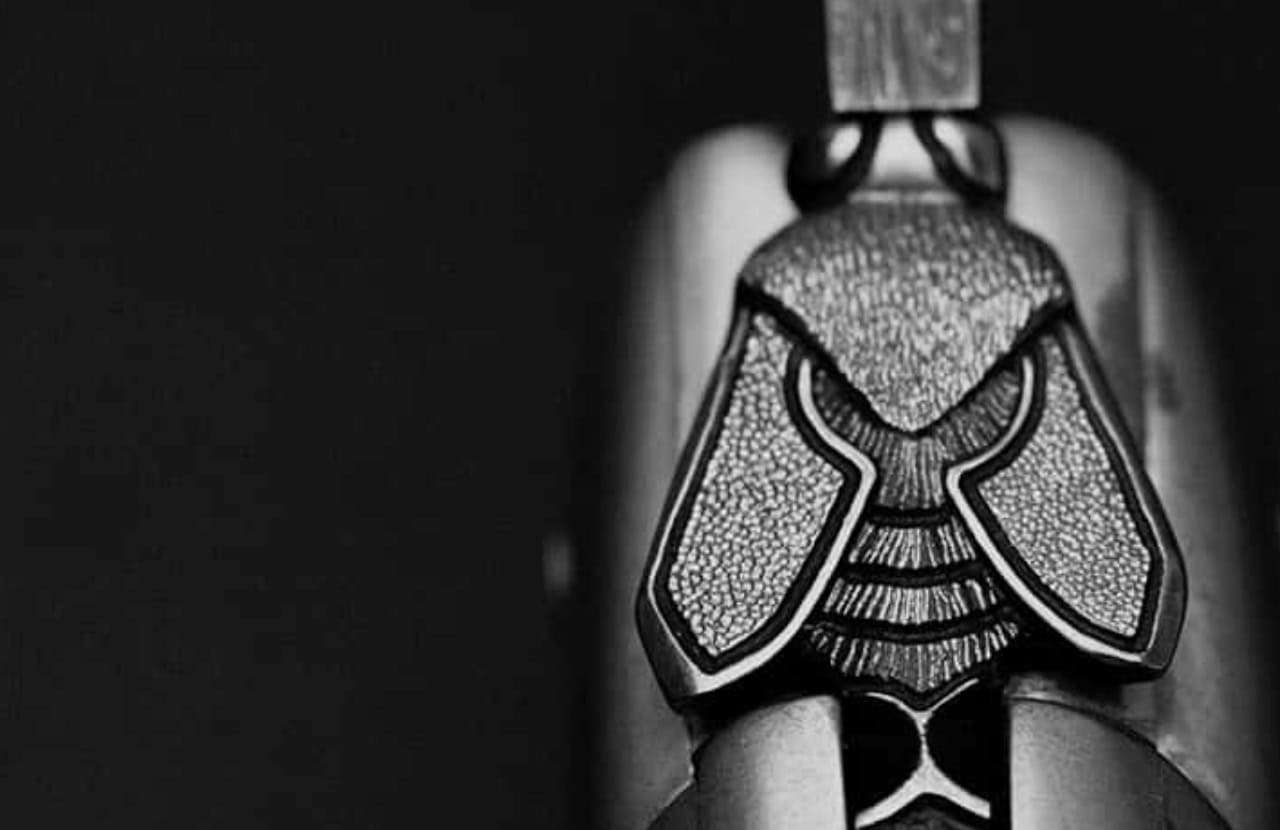
Bolsters are the metal caps at the head and tail of a pocket knife; on a brass-bolster pocket knife they do three jobs at once. First, they protect the ends of the scales from knocks in the pocket or on the table. Second, they anchor the design, giving visual structure to the long, elegant line that defines the Laguiole silhouette. And third, when made of brass, they subtly change the feel and balance of the knife.
Protection — brass is tough enough to take everyday contact so your scales stay crisp at the edges.
Framing — the warm tone sets off the central material and makes the whole knife read more “composed”.
Balance — a touch more mass at either end creates a steadier centre of gravity without making the frame bulky.
If you’re drawn to objects that settle into the hand rather than disappear, brass is a natural choice. It brings the quiet authority of something built to last.
Ready to browse the range? Visit the collection: Brass-Bolster Laguiole Pocket Knives.
On a good Laguiole the blade should open with an even, measured pull and close with tidy assurance. Brass bolsters don’t alter that basic “walk and talk”, but they do change the sensation. Many owners describe a brass-bolster knife as feeling planted — the handle sits lower in the palm, so fine cuts feel more predictable and the closing snap lands with a slightly deeper note.
Importantly, a well-integrated brass bolster won’t introduce hotspots at the transitions. Look for clean joins where your fingers can’t tell where metal ends and scale begins.
New brass shines; used brass glows. Over time the surface gently darkens in places you touch most, developing a soft golden patina that many owners prize. It’s the visual record of where the knife has been and how it’s been used — not wear, but character.
Either approach is “right”. What matters is consistency: choose the look you love and maintain it with light, regular care.
Brass is colour as much as material. It warms the atmosphere, softens sharp contrasts and creates a frame that flatters whatever sits between the bolsters. That makes it unusually versatile across wardrobes and interiors.
If you enjoy small rituals — making coffee properly, setting a table even on weeknights — brass tends to echo that mindset. It’s an aesthetic that rewards attention without asking for fuss.


Note (UK): always consult current guidance before carrying any knife in public. This guide helps you choose a product for home and leisure use; you are responsible for compliance in your context.
Think in terms of feel, mood and context. A few clear choices will steer you to the right knife without over-thinking.
Quality stainless steel is the elegant default for daily UK use: stable, predictable and easy to maintain. Either way, look for steady opening resistance and tidy seating of the blade when closed.
Brass flatters both natural hardwoods and horn. Woods read warm and convivial; horn reads silky and formal. Each piece is naturally unique; choose by the mood you want in hand and on the table.

Part of the pleasure in a genuine Laguiole is noticing details that most makers skip. These aren’t mere decorations; they indicate time and care invested in the build.
A brass-bolster Laguiole isn’t louder than stainless — it’s simply warmer. It frames the design, steadies the hand and records your years of use in a soft golden tone. When you are ready, explore the current selection and choose the piece that fits your wardrobe, your table and your weekends.
No — the profile remains slim. You’ll notice presence rather than bulk. Most owners find the added steadiness makes fine cuts feel more predictable without weighing the pocket down.
Brass develops a soft patina with normal use. Wipe with microfibre to keep the glow; if you prefer a brighter look, a small amount of non-abrasive brass polish on the metal only restores shine. Many owners simply let the colour deepen naturally.
Yes — if you like a warmer, heritage look and a slightly steadier feel in hand, brass is a wonderful starting point. If you prefer a crisper, more minimalist mood, stainless bolsters may be your first step, with brass as your second knife.

• Crafted in France, in the historic area of origin.
• Engraving and dispatch completed on the day of ordering.
• Deliveries to France, the European Union, and worldwide.
• Delivery within 48 hours in the UK. 4 days to the USA with DHL Express.
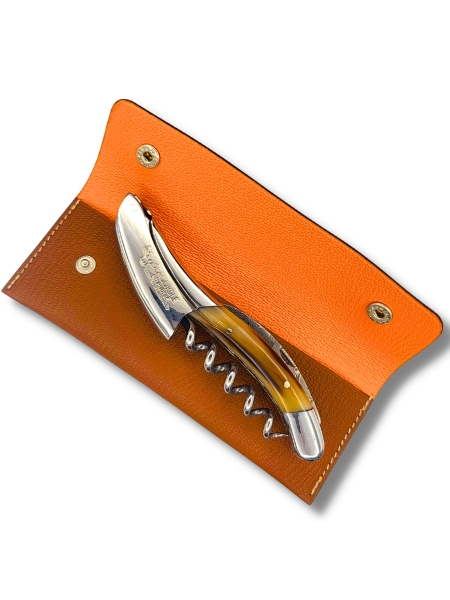
• Supplied with: certificate of authenticity, 14-page manual of genuine Laguiole knives, protective case.
COMPLIMENTARY LASER ENGRAVING
Laser engraving on the blade is an innovative technique that merges art and technology to elevate and customize a knife. Select from 6 fonts and 12 symbols.
Laguiole POCKET KNIVES
Explore our range of Laguiole en Aubrac folding knives, a hallmark of French artisanal cutlery. These premium pocket knives, blending elegance and functionality, embody the essence of traditional craftsmanship and unparalleled expertise in knife making.
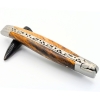
All Laguiole Folding Knives
When Craftsmanship Becomes Art
Laguiole Damascus steel blades captivate with hypnotic wave patterns
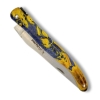
Explore the pinnacle of Laguiole artistry with our Limited & Unique Editions
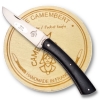
French Gastronomy Meets Fine Cutlery.
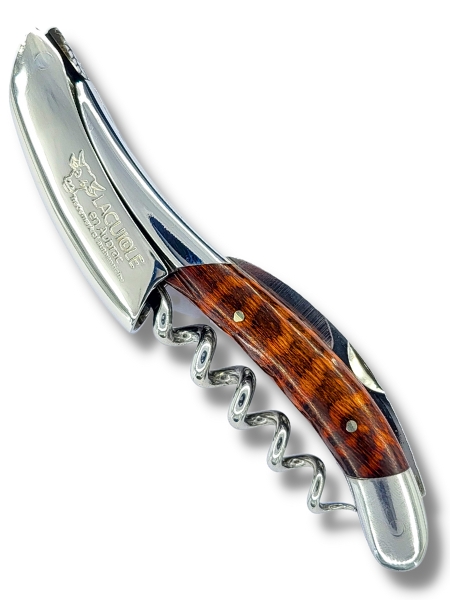
LAGUIOLE CORKSCREWS
Explore our collection of Laguiole en Aubrac sommelier corkscrews, indispensable tools for wine enthusiasts and oenology experts. Each corkscrew is meticulously crafted to the exacting standards of the renowned Laguiole en Aubrac knives.
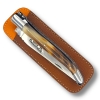
Sheaths, Box & Belt Pouches
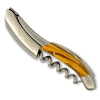
Marquetry - Wood - Horn or Bone
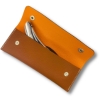
Leather Sheaths
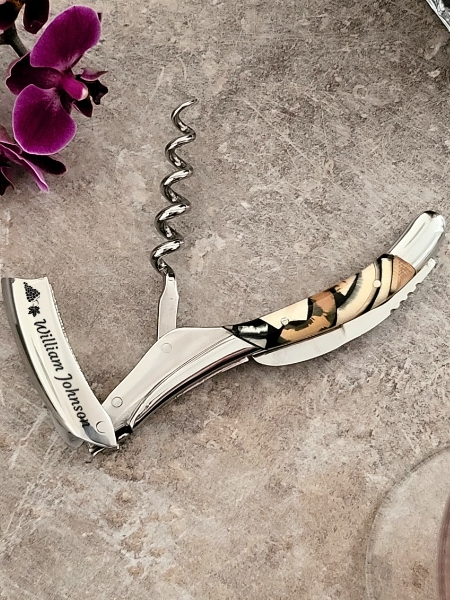
COMPLIMENTARY LASER ENGRAVING
Opting for a personalised Laguiole en Aubrac sommelier corkscrew means injecting a dash of originality into an object already renowned for its quality and aesthetics!

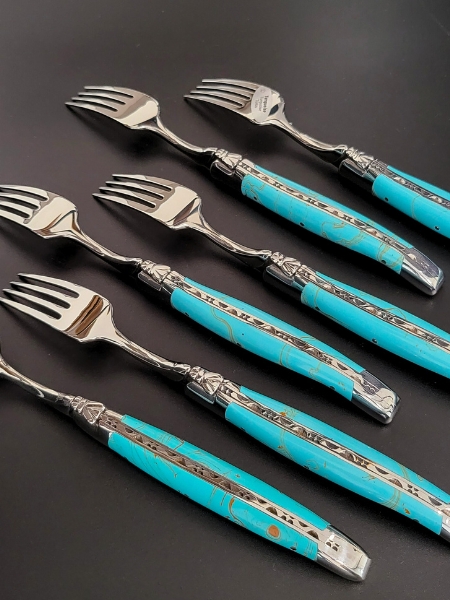
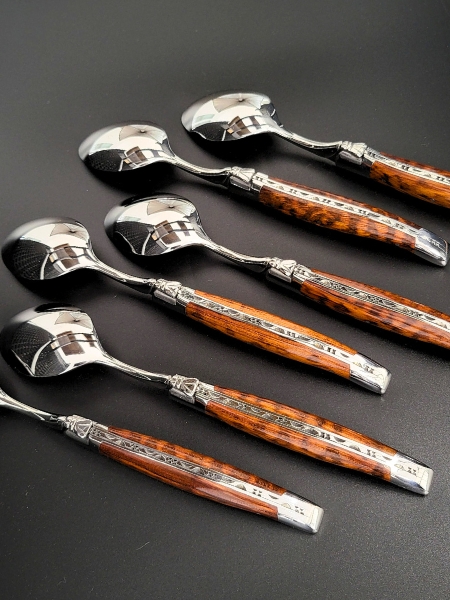
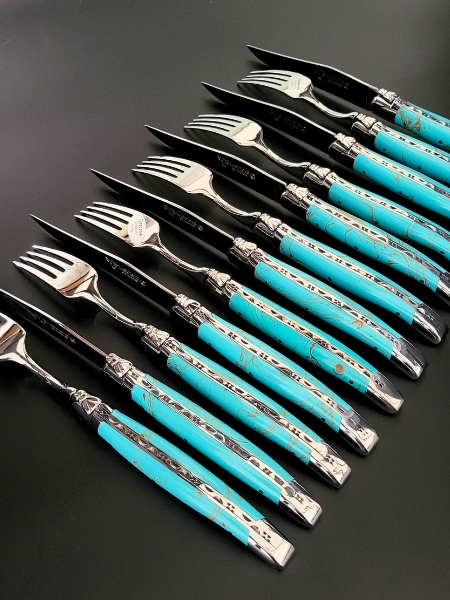
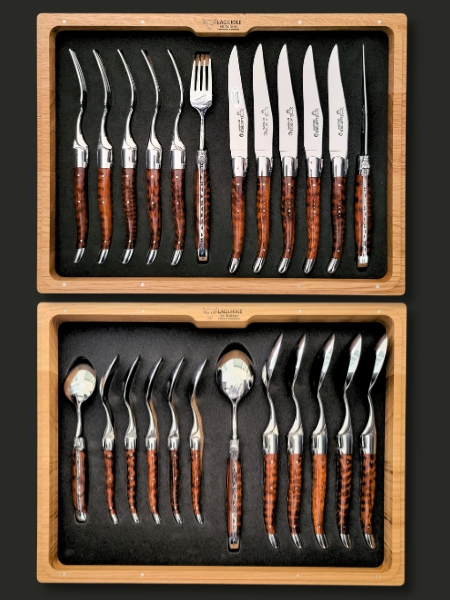
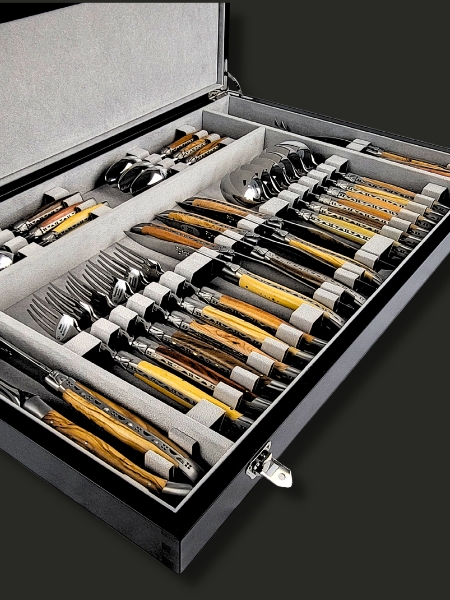
LAGUIOLE CUTLERY SETS
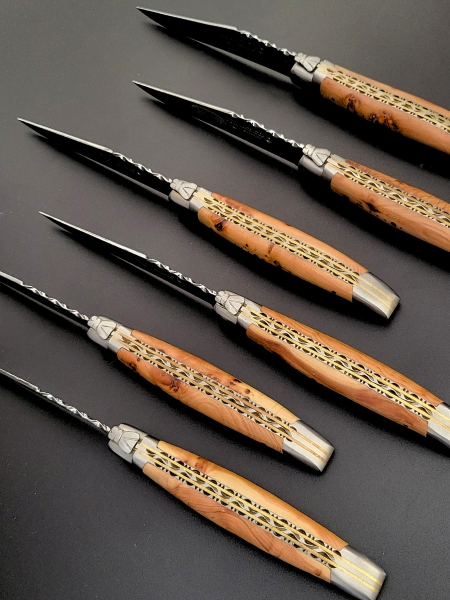
Explore our curated selection of Laguiole en Aubrac cutlery sets, ranging from classic to contemporary styles, featuring an array of vibrant and unique handle materials. Available in sets of 2, 4, or 6, with optional forks, as well as soup and dessert spoons.
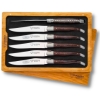
Various handle materials
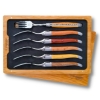
Various handle materials
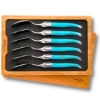
Various handle materials
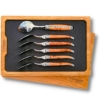
Various handle materials
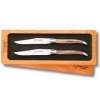
Various handle materials
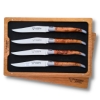
Various handle materials
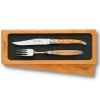
Various handle materials
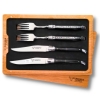
Various handle materials
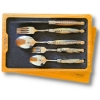
Various handle materials
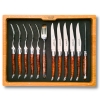
Various handle materials
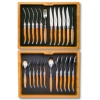
Various handle materials
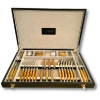
Various handle materials
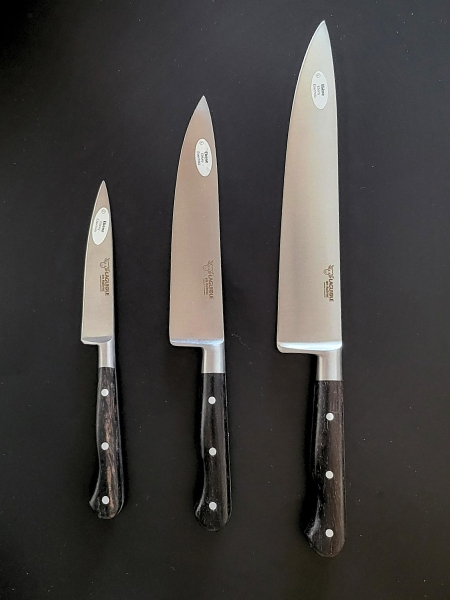
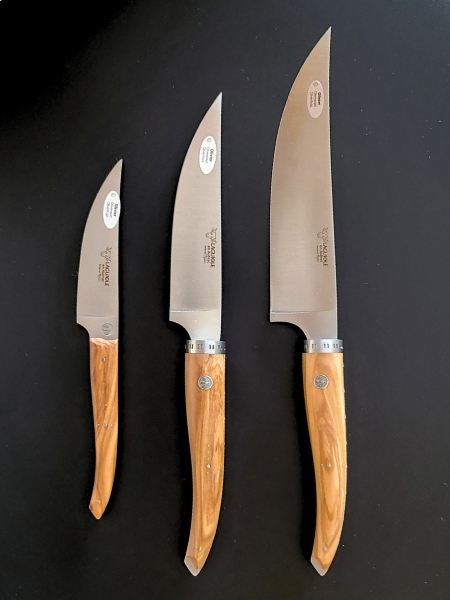
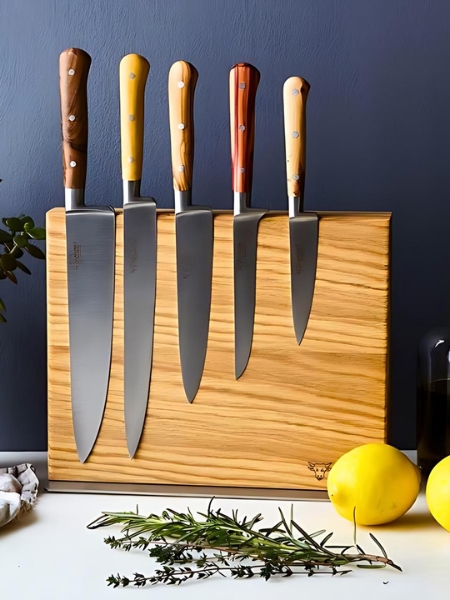
Additional Knives and Sets
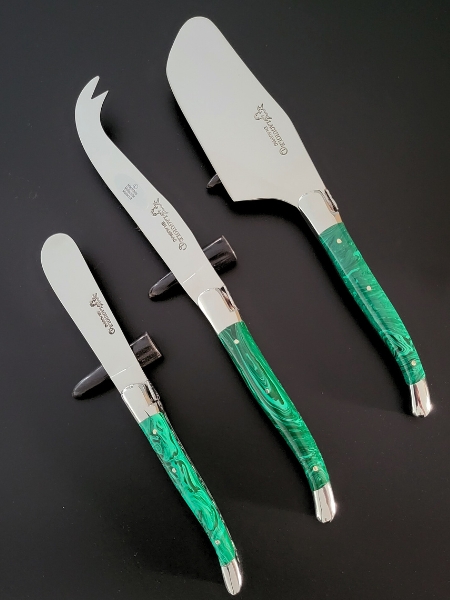
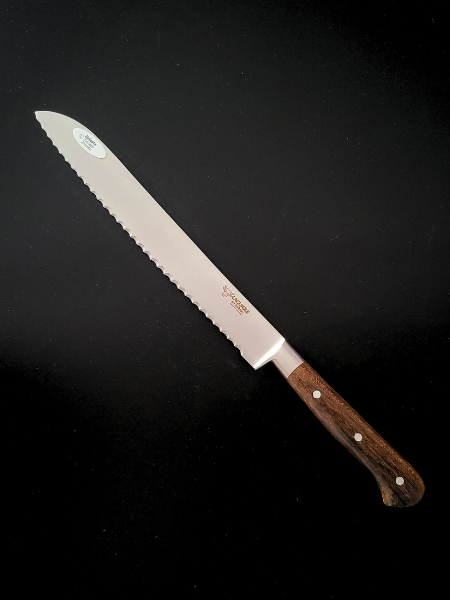
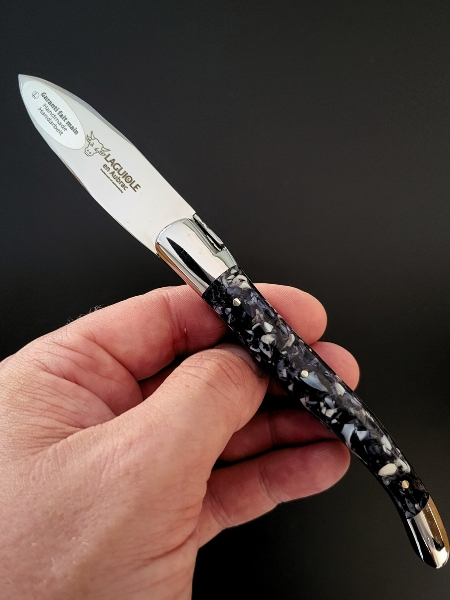
Explore our supplementary cutlery range, crafted to elevate your dining experience and provide you with an unmatched culinary journey. This sophisticated and stylish collection encompasses cheese knives, oyster knives, carving sets, and a myriad of other indispensable accessories for a meticulously arranged table.
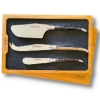
Individuals or in sets x3
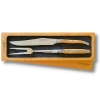
Various handle materials
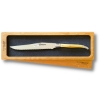
Various handle materials
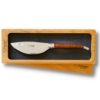
Various handle materials
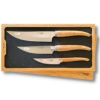
Individuals or in sets x3
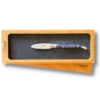
Recycled seashell handles
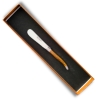
Various handle materials
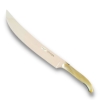
Various handle materials