Laguiole Knives
› Free laser engraving
All Laguiole pocket knives
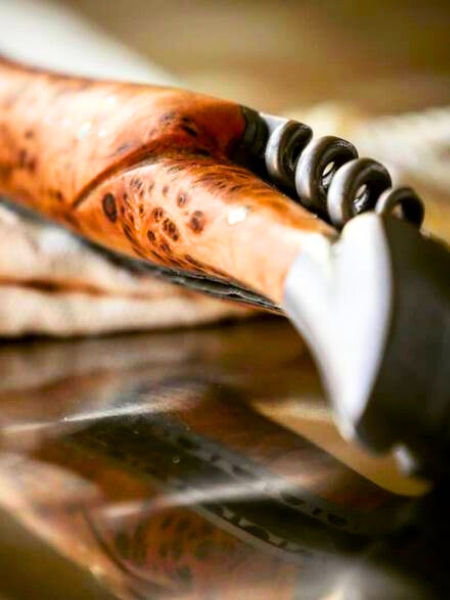
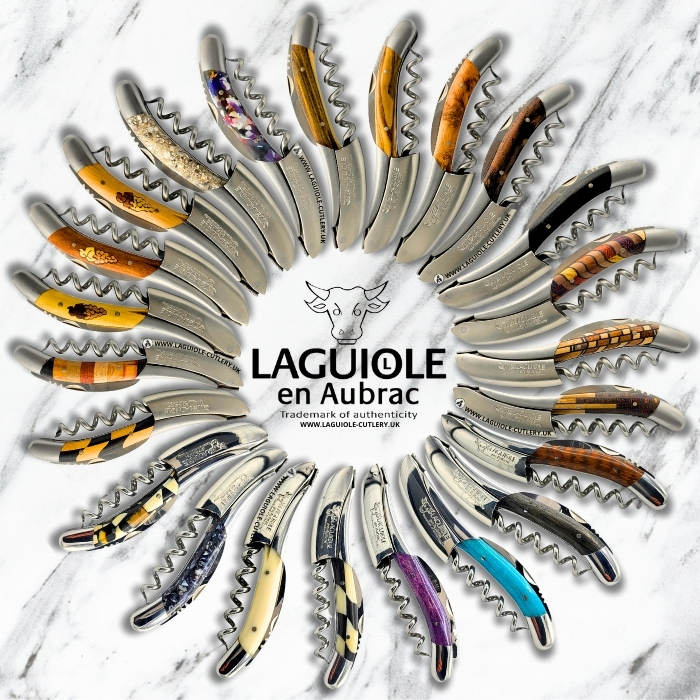
Laguiole knives with corkscrew
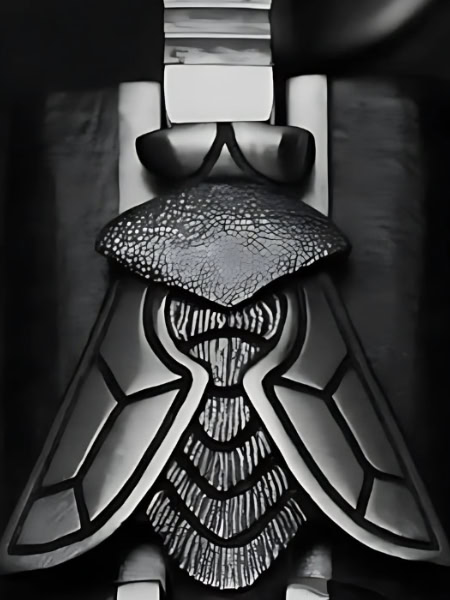
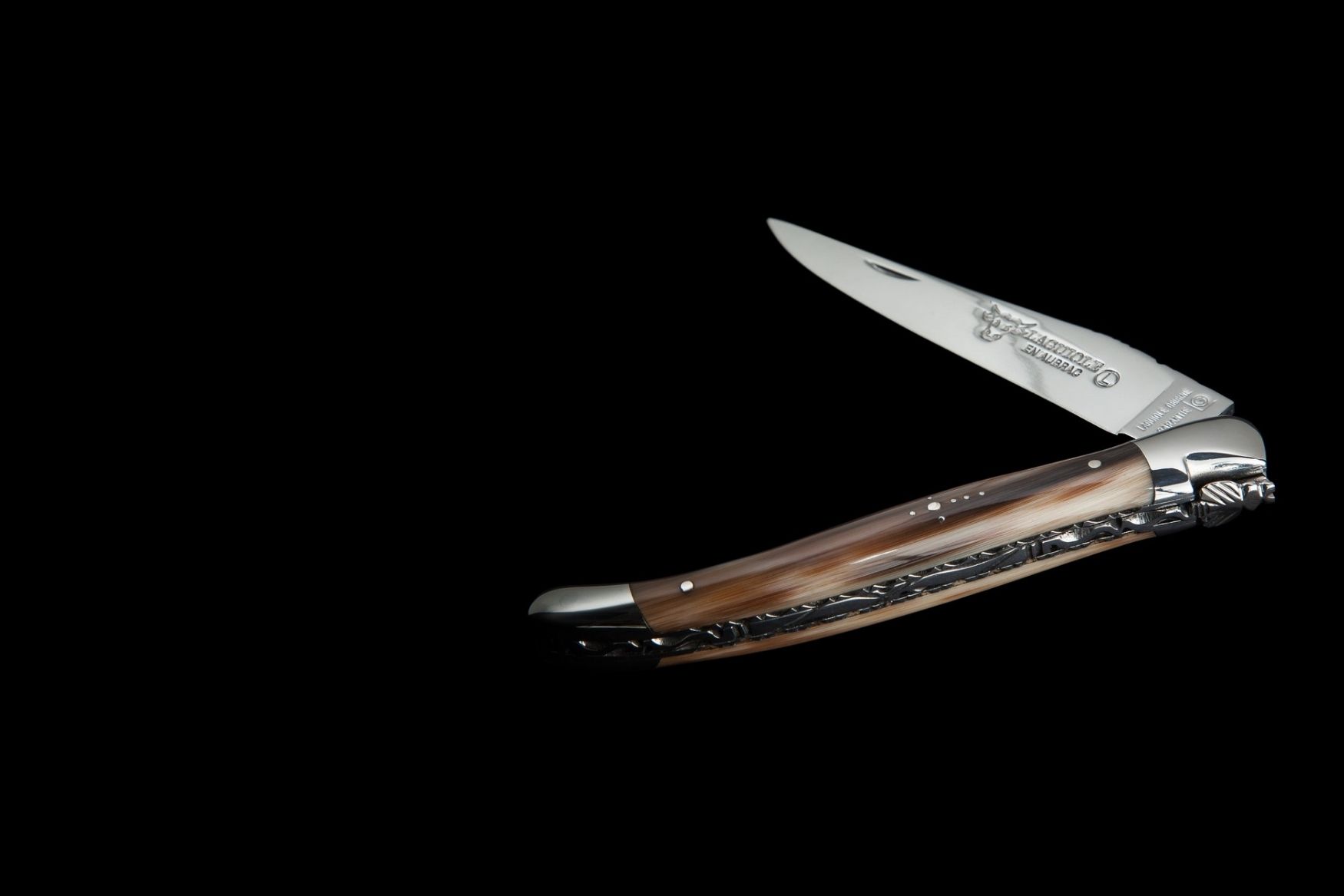
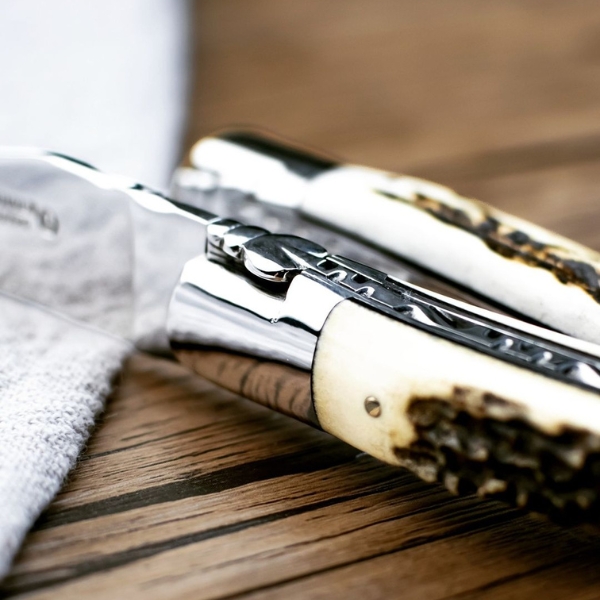
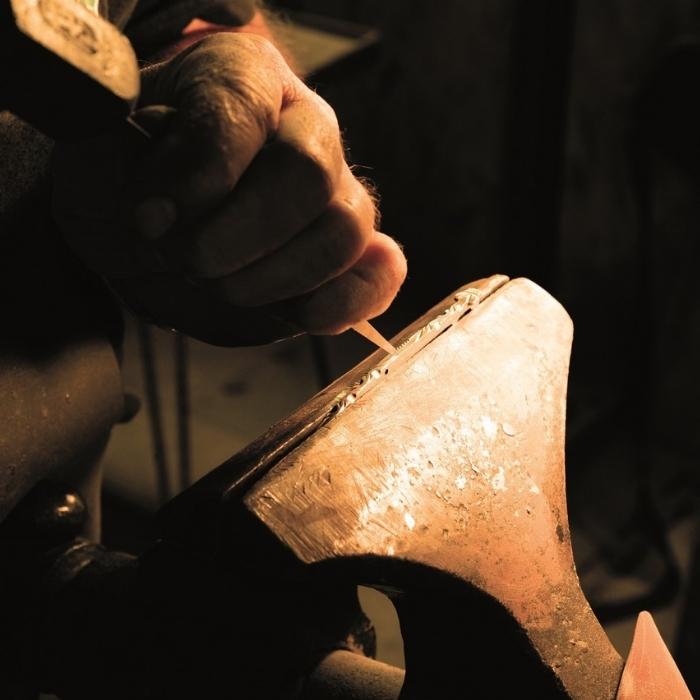
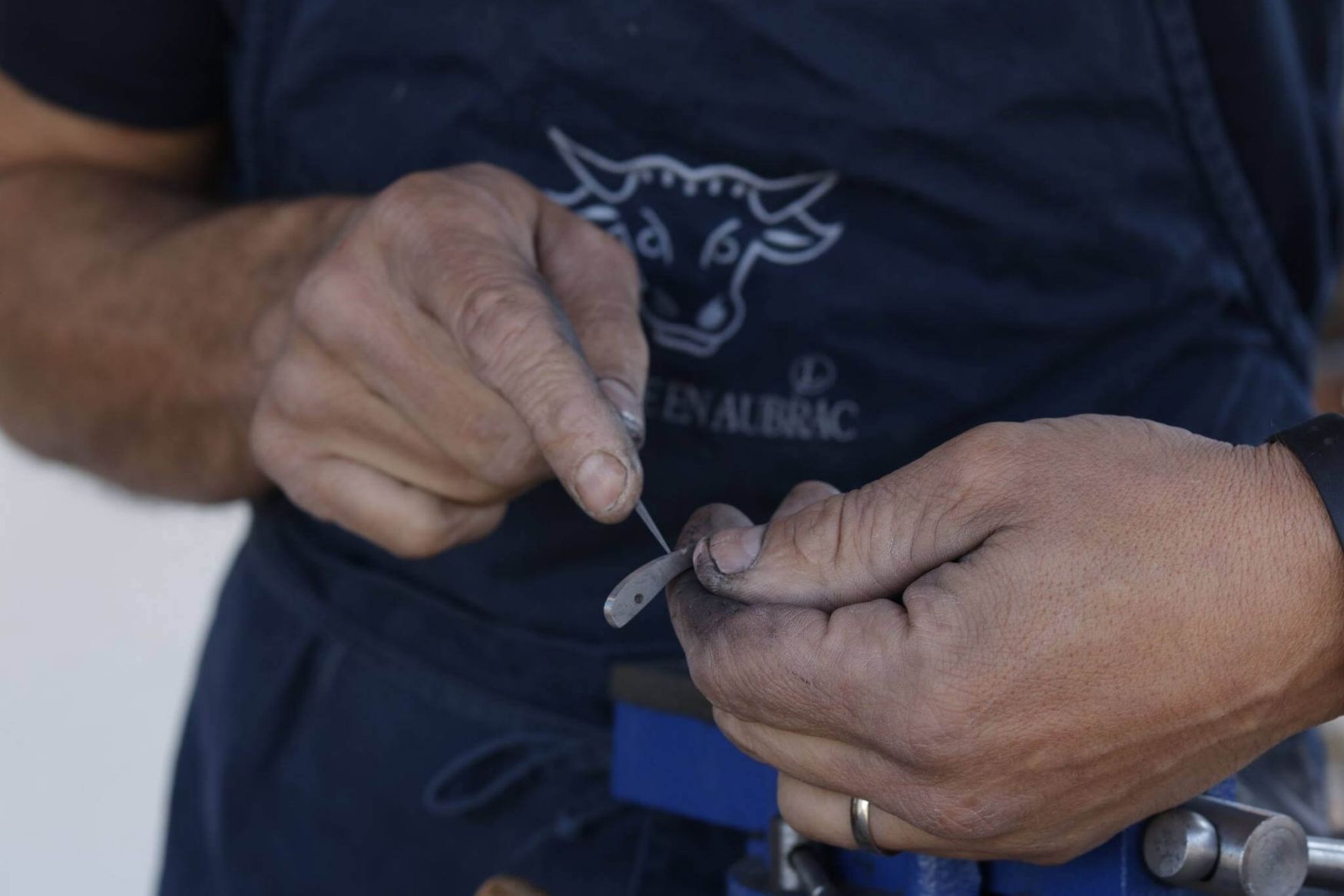
The Laguiole French knives boast a rich heritage dating back to the early 19th century. These knives were originally crafted in the quaint village of Laguiole, located in the Aveyron region of France. The design of the Laguiole knife is distinguished by its curved blade, slender profile, and the iconic bee emblem on the handle.
Initially utilised by local farmers and shepherds, the Laguiole knife swiftly garnered acclaim for its exceptional craftsmanship and durability. By the late 19th century, the Laguiole knife had become renowned throughout France and beyond for its superior quality and design. Its popularity soared further when it was chosen as the official knife of the French Michelin-starred chefs.
Presently, Laguiole French knives continue to be handcrafted by adept artisans in the village of Laguiole, employing traditional techniques and high-quality materials. These knives are coveted for their exquisite artisanship and timeless design, making them a treasured heirloom for future generations.
In the face of these challenges, authentic manufacturers like Laguiole en Aubrac stand as beacons of genuine craftsmanship. These artisans continue the tradition with a commitment to quality, using premium materials and traditional techniques. Each piece from manufacturers like Laguiole en Aubrac is a testament to the legacy of Laguiole knife-making, distinguished by meticulous attention to detail and a dedication to excellence.
The enduring legacy of French knife-making, embodied in the craftsmanship of Laguiole knives, reflects a rich heritage of artisanship. While the market faces the challenge of counterfeits, the dedication of authentic manufacturers and an informed consumer base are key to preserving the esteemed tradition of Laguiole knife-making for future generations.
The issue of counterfeit Laguiole knives and the presence of multiple authentic manufacturers, such as Laguiole en Aubrac, is a complex and nuanced topic that reflects both the challenges of brand protection in traditional craftsmanship and the richness of this artisanal heritage.
Laguiole knives, renowned globally for their quality and distinctive design, have been facing a significant challenge with the proliferation of counterfeit products. These fakes not only undermine the reputation of genuine craftsmanship but also deceive consumers, often selling inferior quality products under the guise of the revered Laguiole name. The issue stems partly from the fact that “Laguiole” is not a trademarked name but rather a generic term for a style of knife, making legal protection against counterfeits complex and difficult.
Amidst this backdrop of counterfeit challenges, several authentic manufacturers, such as Laguiole en Aubrac, continue to uphold the tradition and quality associated with genuine Laguiole knives. These authentic producers distinguish themselves through their commitment to craftsmanship, using high-quality materials, and adhering to the traditional methods of knife production that have been passed down through generations. Each manufacturer brings its unique touch to the design and production process, contributing to the diversity and richness of the Laguiole tradition.
Laguiole en Aubrac, for instance, is renowned for its meticulous attention to detail and the use of premium materials, ensuring that each knife is not only a tool but also a work of art. These authentic manufacturers operate within the strict geographical and quality parameters that define true Laguiole craftsmanship, often marking their products with distinctive logos or hallmarks to help consumers identify genuine articles.
The fight against Laguiole counterfeits is not just a legal battle but also a matter of consumer awareness. Educating consumers about the hallmarks of genuine Laguiole craftsmanship, the significance of purchasing from reputable manufacturers, and the ways to identify authentic products is crucial. By making informed choices, consumers can support the enduring legacy of French craftsmanship and help preserve the art of traditional knife-making.
The issue of counterfeit Laguiole knives and the existence of multiple authentic manufacturers highlight the complexities of maintaining tradition and quality in the global marketplace. Through the combined efforts of legal protections, consumer education, and the dedication of authentic manufacturers like Laguiole en Aubrac, the rich tradition of Laguiole knife-making can continue to be celebrated and preserved for future generations.
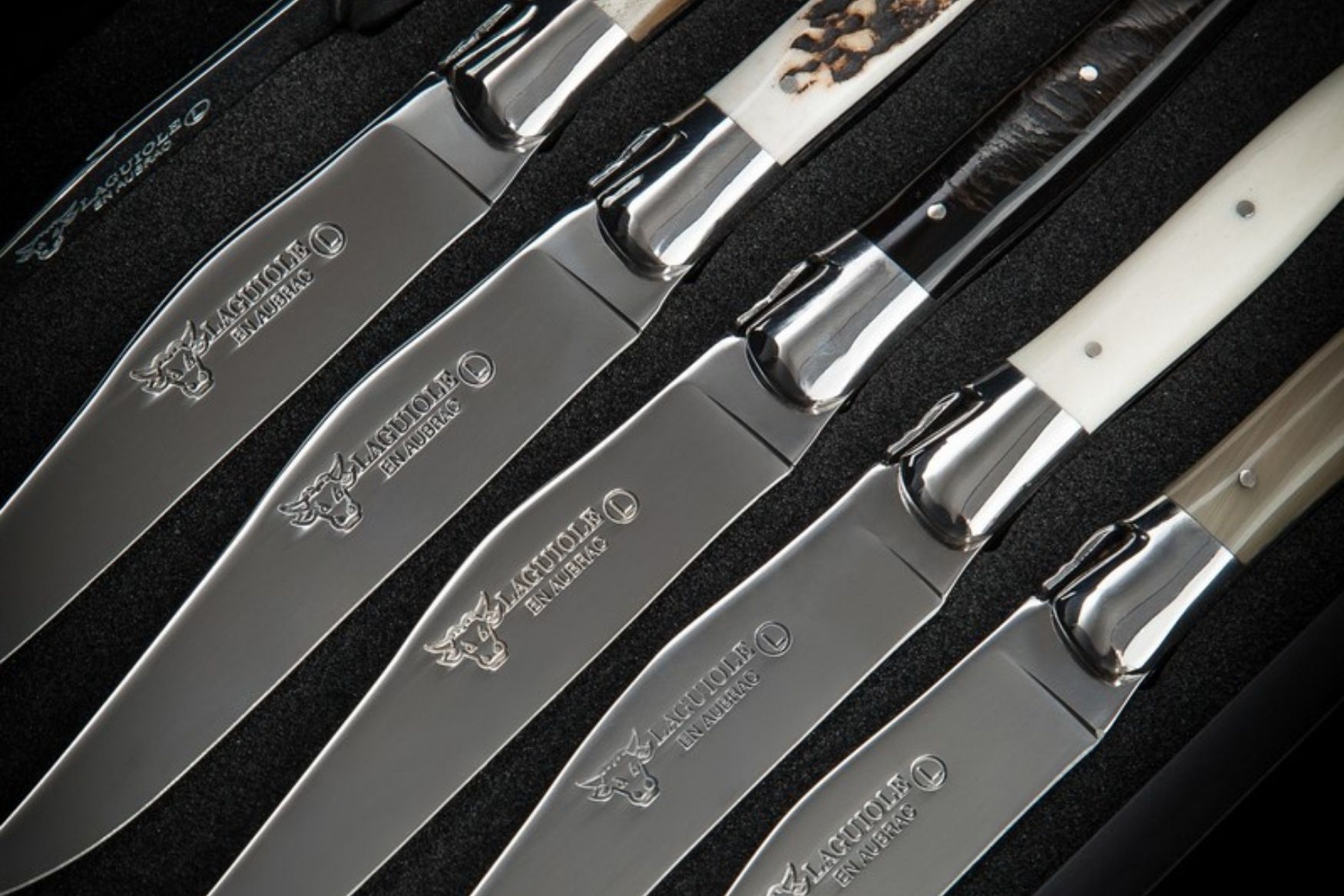
The prestige of Laguiole knives and corkscrews has unfortunately attracted counterfeit imitations. It’s essential to equip yourself with knowledge when purchasing these items, whether online or in stores.
The name “Laguiole” itself is not exclusive to a single entity, residing instead in the public domain. This situation allows multiple genuine manufacturers from regions like Laguiole, Espalion, and Thiers to coexist. Nonetheless, the market also sees an influx of mass-produced variants from Asia and even machine-made imitations within France itself.
Just as you would identify a car by its make—be it BMW, Mercedes, or Ferrari—it’s crucial to look for the manufacturer’s branding when selecting a Laguiole knife or corkscrew. Authentic pieces proudly bear the mark of their maker, a testament to their heritage and quality.
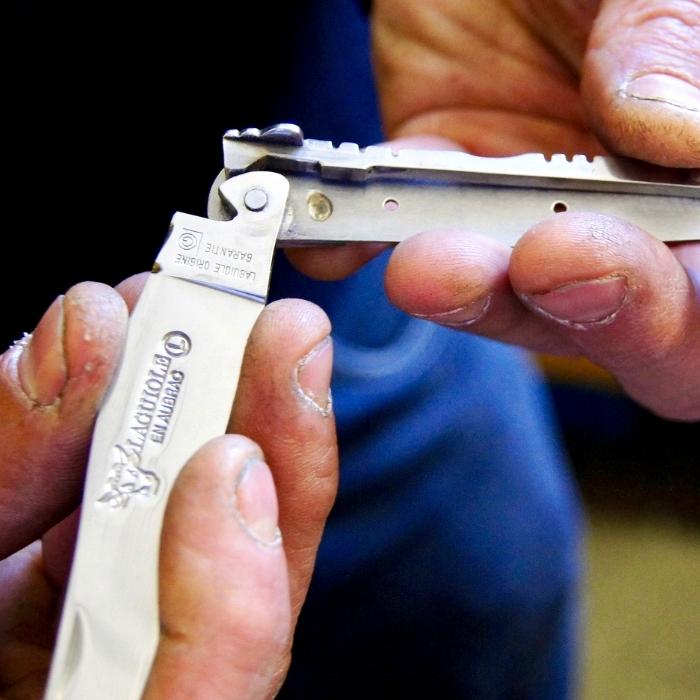
Reputable retailers, like those offering “Laguiole en Aubrac” products, provide insights into their manufacturing process. A video glimpse into the workshop or the crafting process, often found on the retailer’s website, underscores the authenticity and the artisanal value of these products.
The option for laser engraving for personalization is another marker of authenticity. Such a service requires substantial investment in equipment and skilled personnel, indicating the manufacturer’s commitment to quality and the authenticity of the product.
“Laguiole en Aubrac” exemplifies its confidence in the enduring quality of its products by offering a lifetime warranty against manufacturing defects. This commitment ensures that, even a decade hence, any manufacturing issues will be rectified, highlighting the trust in the craftsmanship of their products.
Our platform’s unwavering dedication to quality and authenticity is evident in our exclusive partnership with “Laguiole en Aubrac,” one of the most prestigious makers of Laguiole knives and corkscrews. By focusing solely on products from “Laguiole en Aubrac,” we guarantee our customers access to items that embody the pinnacle of artisanal skill, quality, and tradition. Each piece is not merely a tool but a legacy, meticulously crafted to offer an experience that goes beyond utility and celebrates the rich heritage of Laguiole.
Each Laguiole en Aubrac knife exemplifies unparalleled precision and commitment, setting the industry’s highest standard. We select only the finest materials, which are then transformed by expert craftsmanship into pieces of exceptional quality.
Our knives are not just tools but personal emblems, each custom-crafted to reflect the individuality of its owner. Merging exclusivity with a personal touch, Laguiole en Aubrac offers an experience of unmatched personalisation.
Designed with the discerning aficionado in mind, every aspect of a Laguiole en Aubrac knife celebrates the artistry of traditional French craftsmanship. These knives are not only functional but also embody the spirit of refinement and legacy.

• Crafted in France, in the historic area of origin.
• Engraving and dispatch completed on the day of ordering.
• Deliveries to France, the European Union, and worldwide.
• Delivery within 48 hours in the UK. 4 days to the USA with DHL Express.
• Supplied with: certificate of authenticity, 14-page manual of genuine Laguiole knives, protective case.
COMPLIMENTARY LASER ENGRAVING

Laser engraving on the blade is an innovative technique that merges art and technology to elevate and customize a knife. Select from 6 fonts and 12 symbols.
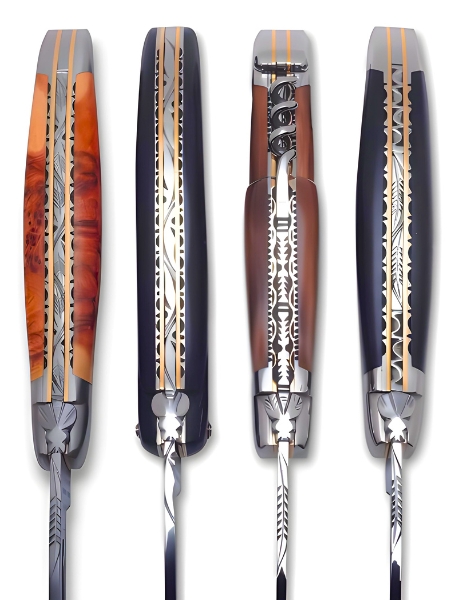
Laguiole POCKET KNIVES
Explore our range of Laguiole en Aubrac folding knives, a hallmark of French artisanal cutlery. These premium pocket knives, blending elegance and functionality, embody the essence of traditional craftsmanship and unparalleled expertise in knife making.
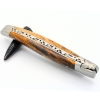
All Laguiole Folding Knives
When Craftsmanship Becomes Art
Laguiole Damascus steel blades captivate with hypnotic wave patterns
Explore the pinnacle of Laguiole artistry with our Limited & Unique Editions
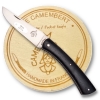
French Gastronomy Meets Fine Cutlery.
LAGUIOLE CORKSCREWS
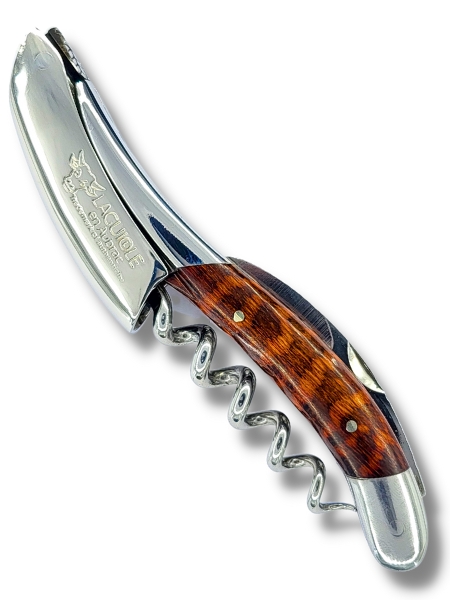
Explore our collection of Laguiole en Aubrac sommelier corkscrews, indispensable tools for wine enthusiasts and oenology experts. Each corkscrew is meticulously crafted to the exacting standards of the renowned Laguiole en Aubrac knives.
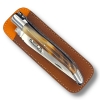
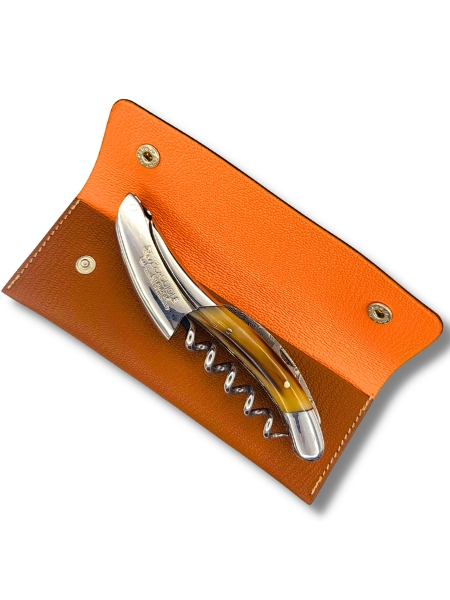
Sheaths, Box & Belt Pouches
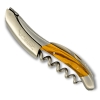
Marquetry - Wood - Horn or Bone
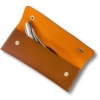
Leather Sheaths
COMPLIMENTARY LASER ENGRAVING
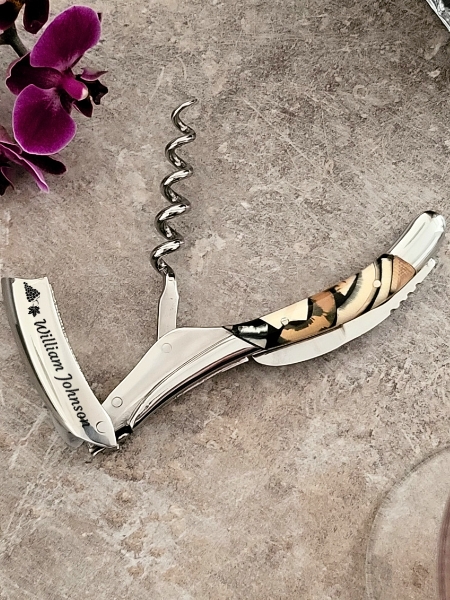
Opting for a personalised Laguiole en Aubrac sommelier corkscrew means injecting a dash of originality into an object already renowned for its quality and aesthetics!
LAGUIOLE CUTLERY SETS
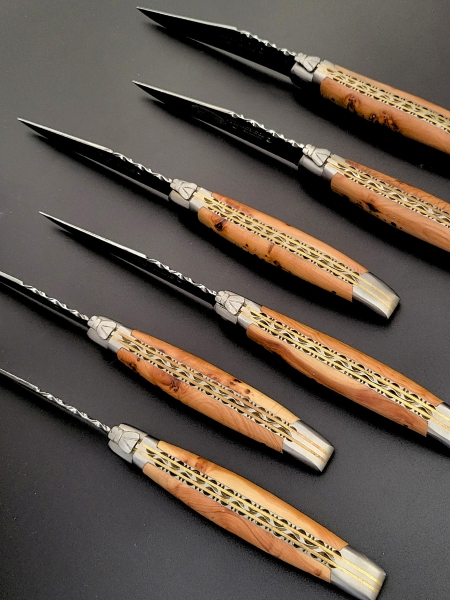
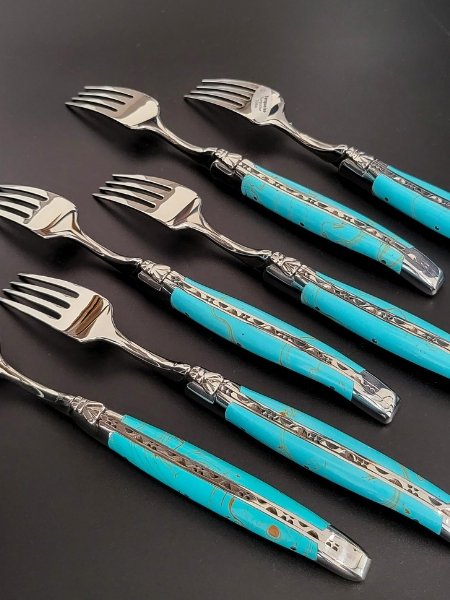
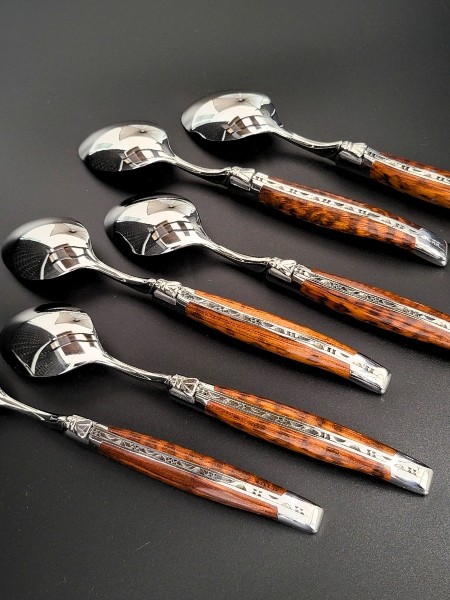
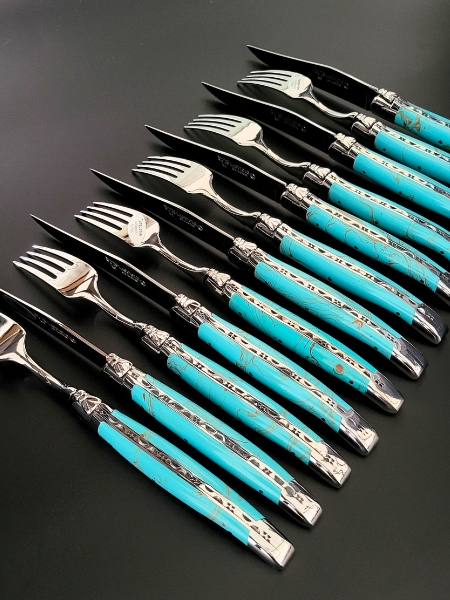
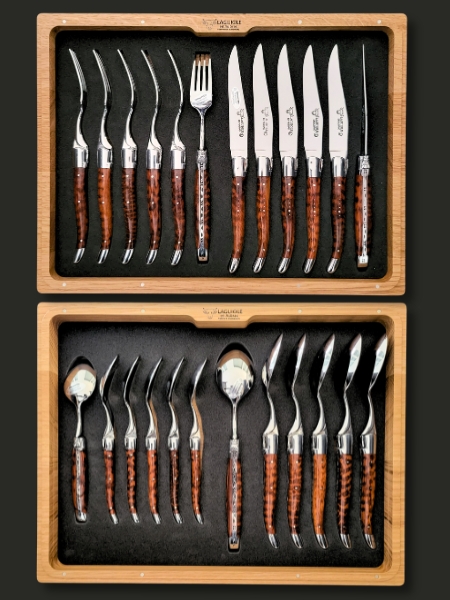
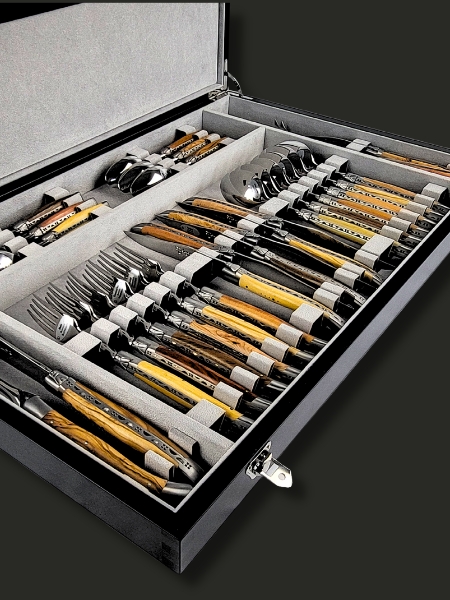
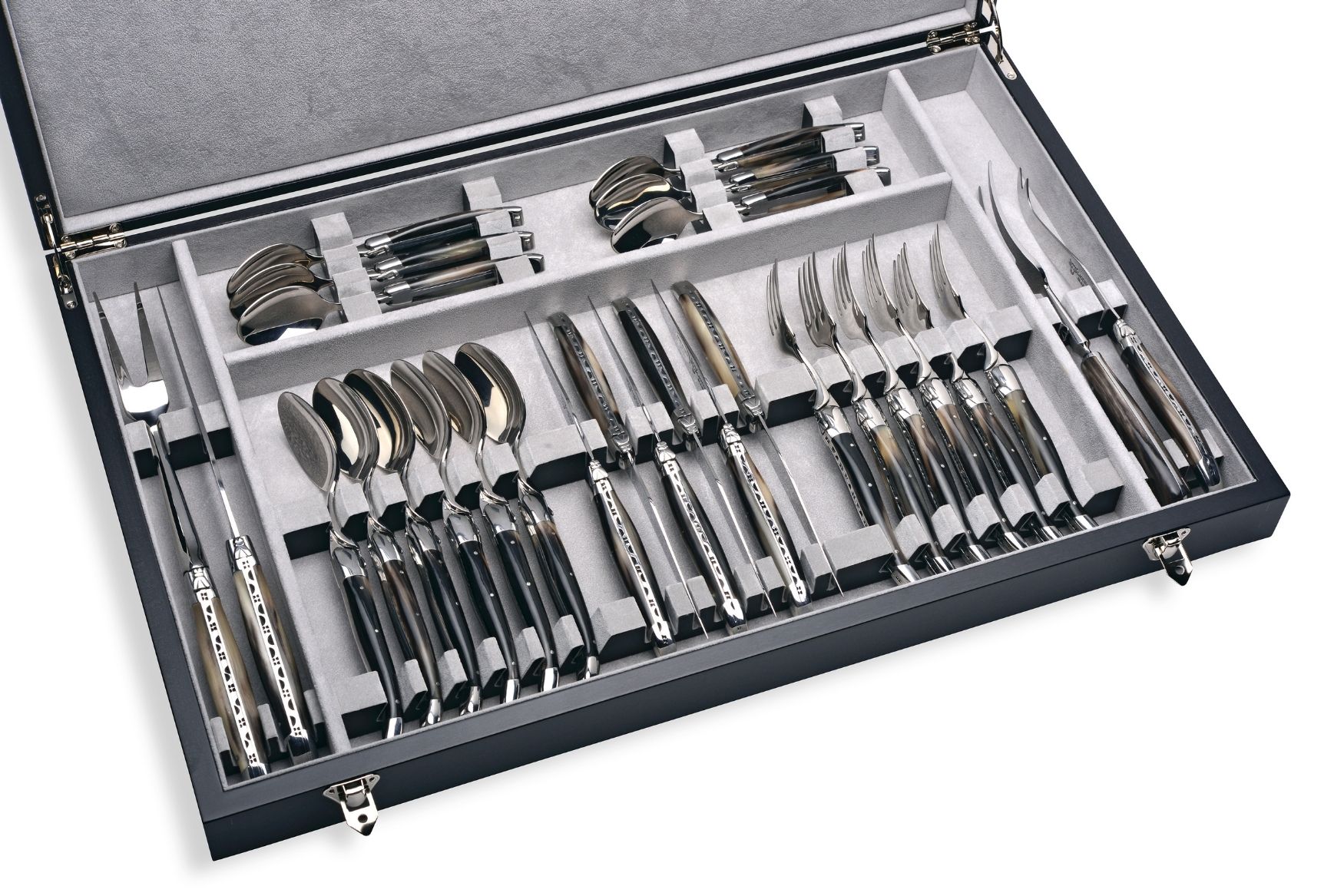
Explore our curated selection of Laguiole en Aubrac cutlery sets, ranging from classic to contemporary styles, featuring an array of vibrant and unique handle materials. Available in sets of 2, 4, or 6, with optional forks, as well as soup and dessert spoons.
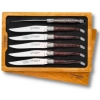
Various handle materials
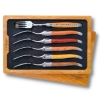
Various handle materials
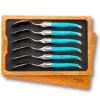
Various handle materials
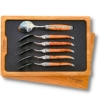
Various handle materials
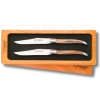
Various handle materials
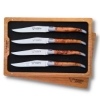
Various handle materials
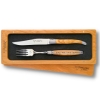
Various handle materials
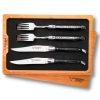
Various handle materials
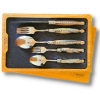
Various handle materials
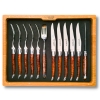
Various handle materials
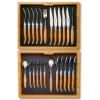
Various handle materials
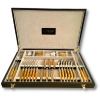
Various handle materials
Additional Knives and Sets
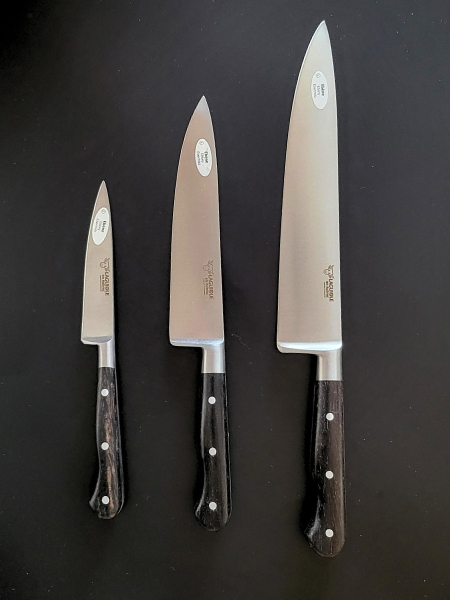
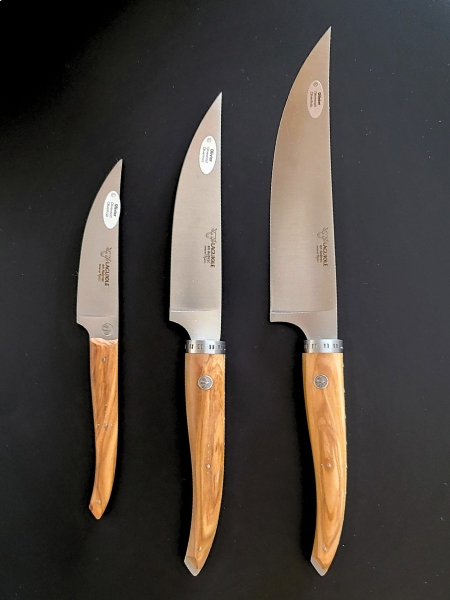
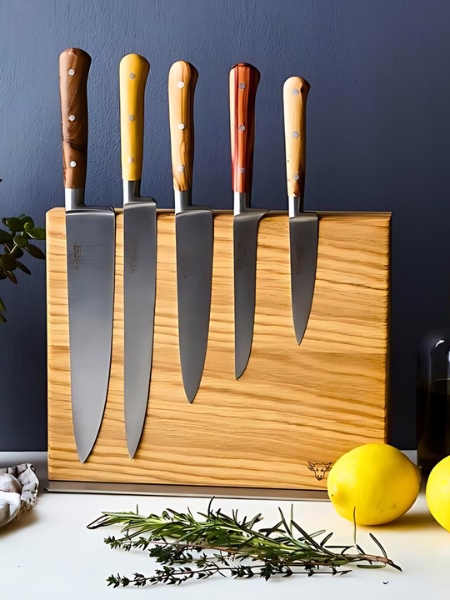
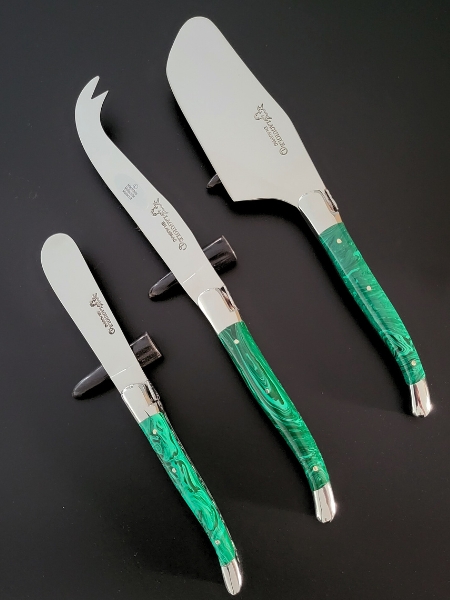
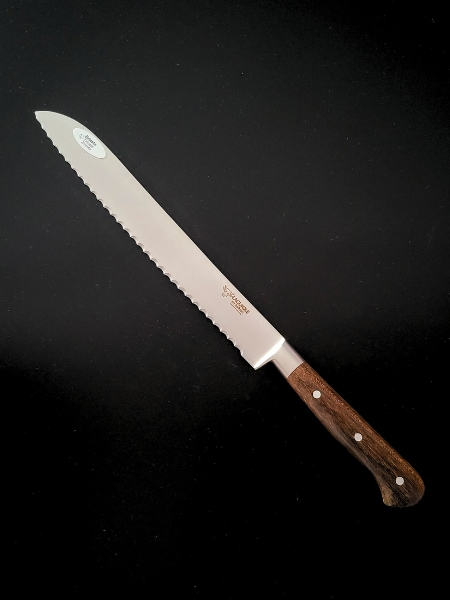
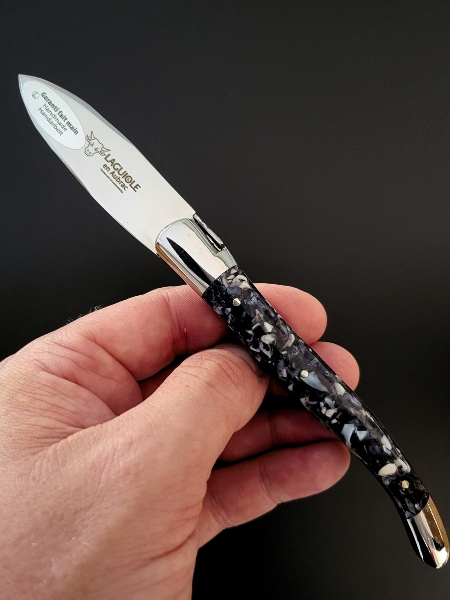
Explore our supplementary cutlery range, crafted to elevate your dining experience and provide you with an unmatched culinary journey. This sophisticated and stylish collection encompasses cheese knives, oyster knives, carving sets, and a myriad of other indispensable accessories for a meticulously arranged table.
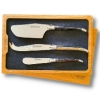
Individuals or in sets x3
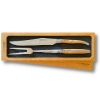
Various handle materials
Various handle materials
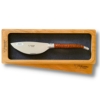
Various handle materials
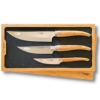
Individuals or in sets x3
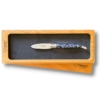
Recycled seashell handles
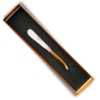
Various handle materials
Various handle materials