Laguiole Knives
› Free laser engraving
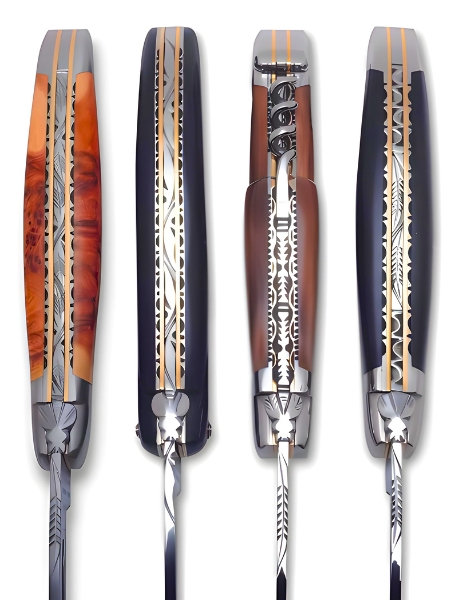
All Laguiole pocket knives
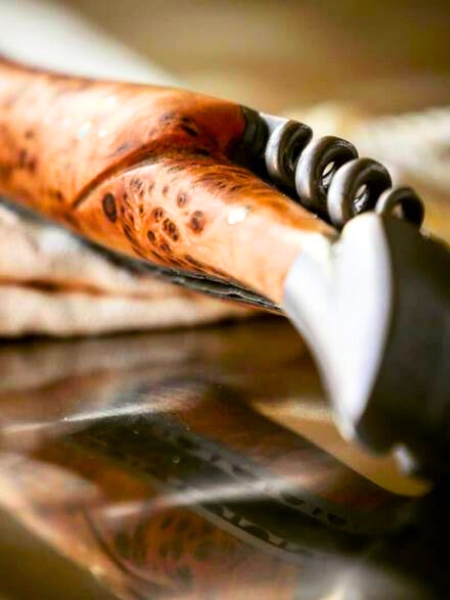
Laguiole knives with corkscrew
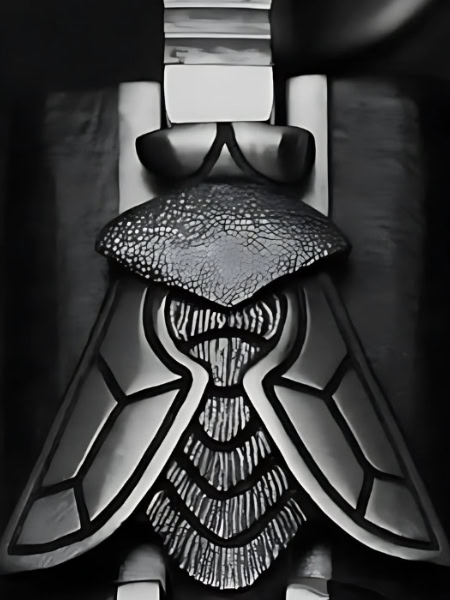
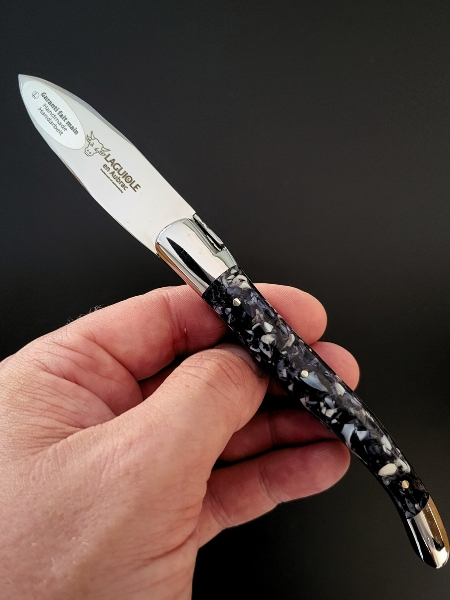
Each Laguiole oyster knife here comes from Laguiole en Aubrac, made by hand in France, with a handle in recycled shell, such as scallop or mussel, or in solid stainless steel. The blade is kept short and stiff for one task, finding the hinge and levering the two shells apart. Look along the blade and you will see the maker named there, a useful check when so many factory knives bear the Laguiole name.
You may know the same tool as an oyster shucker, or as an oyster shucking knife. On the shell models, recycled shell is held in clear resin so you can see it, while the steel models have a solid stainless steel handle, satin-finished or polished. If you are after a luxury oyster knife, the difference lies in who made it, how and where.
•Made by hand in France•A stiff blade shaped for oysters•Maker named on every blade•

Laguiole Oyster Knives

Laguiole Oyster Knives

Laguiole Oyster Knives
It all depends on the handle, since every model has the same short, stiff blade. Pick recycled scallop or mussel shell, held in clear resin, if you like to see the shell itself. Pick solid stainless steel, satin or polished, if you prefer a plain handle. Laguiole en Aubrac makes both by hand in France. For a longer read, the How to Choose a Laguiole Oyster Knife guide covers the subject in depth.
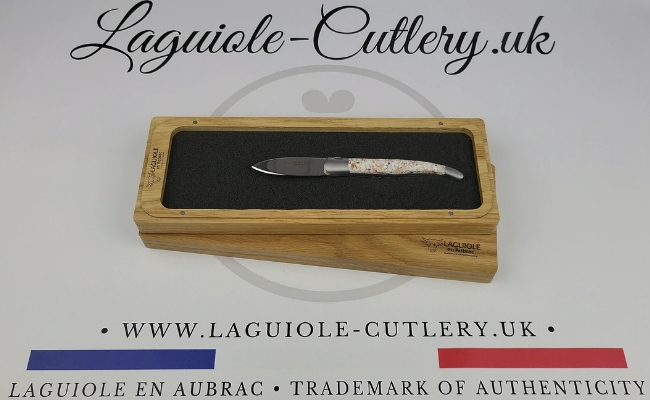
Video · 0:40
Watch the scallop shell model
Recycled scallop shells, held in a clear resin, form the handle of this Laguiole en Aubrac knife, made by hand in France.
Wrap a folded tea towel round your hand and hold the oyster on the worktop, deep side down. Find the hinge, push in the tip of the shucking knife and rock it gently until the shell gives. Slide the blade along the underside of the top shell to sever the muscle, lift that shell off, then loosen the oyster from its cup without spilling the liquor. A short, stiff blade is the right tool here, because the hinge needs firm leverage.
Three things, and you can check each one. First, how it is made: each of these oyster knives comes from the hands of Laguiole en Aubrac's knife makers in France, whereas many knives bearing the Laguiole name are made in factories. Second, the handle, which is the part you hold and the part your guests see: recycled scallop or mussel shell held in a clear resin, or all stainless steel, either satin or polished. Third, the blade, short and stiff, shaped for a single job, which is opening the shell at the hinge.
Yes. Both names describe the same short, stiff-bladed knife for opening oysters at the hinge, although the word shucker can also mean the person doing the opening. Each oyster shucker knife in this range comes from Laguiole en Aubrac, made by hand in France, its handle in recycled shell or stainless steel.
Faced with a tray of oysters and no oyster knife, many people reach for a kitchen knife. That blade is long and thin, and twisting it in a tight hinge can bend or break the tip while your other hand grips the shell. A proper oyster knife is short and stiff, shaped for exactly that twist, so you open the oyster with control. Laguiole en Aubrac makes its version by hand in France.
Open them just before serving, sliding the knife under each oyster to free it from the shell. Add a squeeze of lemon or a little shallot vinegar, tip the shell to your lips and chew once or twice before swallowing. For that first step, Laguiole en Aubrac's oyster knives are made by hand in France.
In each parcel you will find a care leaflet, plus a numbered certificate of authenticity for every knife. Hand-wash each one, dry it at once and never put it in the dishwasher.

• Crafted in France, in the historic area of origin.
• Engraving and dispatch completed on the day of ordering.
• Deliveries to France, the European Union, and worldwide.
• Delivery within 48 hours in the UK. 4 days to the USA with DHL Express.
• Supplied with: certificate of authenticity, 14-page manual of genuine Laguiole knives, protective case.
COMPLIMENTARY LASER ENGRAVING
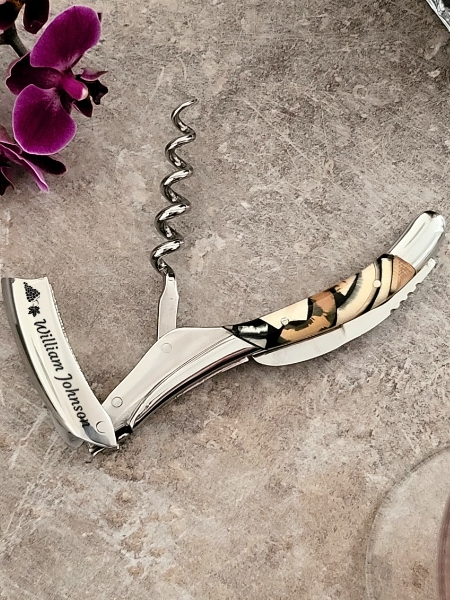
Laser engraving on the blade is an innovative technique that merges art and technology to elevate and customize a knife. Select from 6 fonts and 12 symbols.
Laguiole POCKET KNIVES
Explore our range of Laguiole en Aubrac folding knives, a hallmark of French artisanal cutlery. These premium pocket knives, blending elegance and functionality, embody the essence of traditional craftsmanship and unparalleled expertise in knife making.
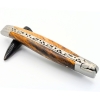
All Laguiole Folding Knives
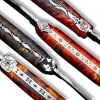
When Craftsmanship Becomes Art
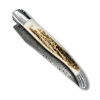
Laguiole Damascus steel blades captivate with hypnotic wave patterns
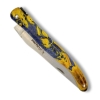
Explore the pinnacle of Laguiole artistry with our Limited & Unique Editions
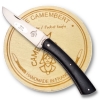
French Gastronomy Meets Fine Cutlery.
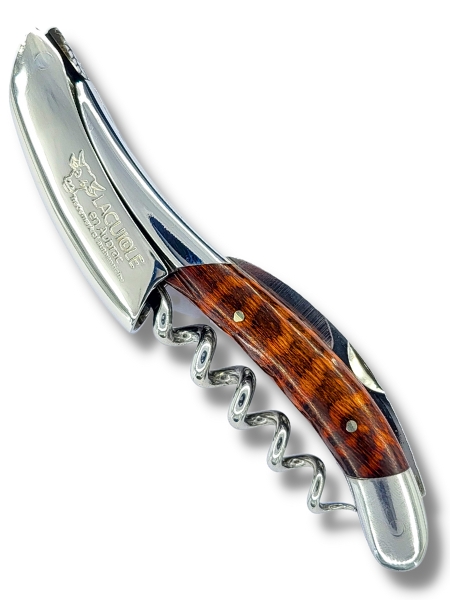
LAGUIOLE CORKSCREWS
Explore our collection of Laguiole en Aubrac sommelier corkscrews, indispensable tools for wine enthusiasts and oenology experts. Each corkscrew is meticulously crafted to the exacting standards of the renowned Laguiole en Aubrac knives.
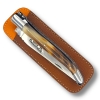
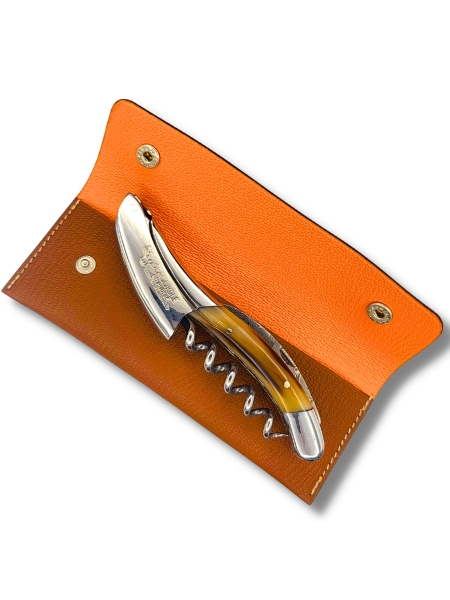
Sheaths, Box & Belt Pouches
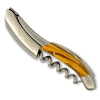
Marquetry - Wood - Horn or Bone
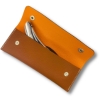
Leather Sheaths
COMPLIMENTARY LASER ENGRAVING
Opting for a personalised Laguiole en Aubrac sommelier corkscrew means injecting a dash of originality into an object already renowned for its quality and aesthetics!

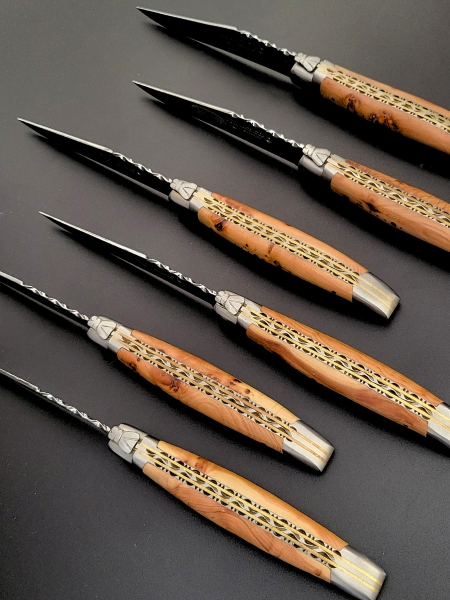
LAGUIOLE CUTLERY SETS
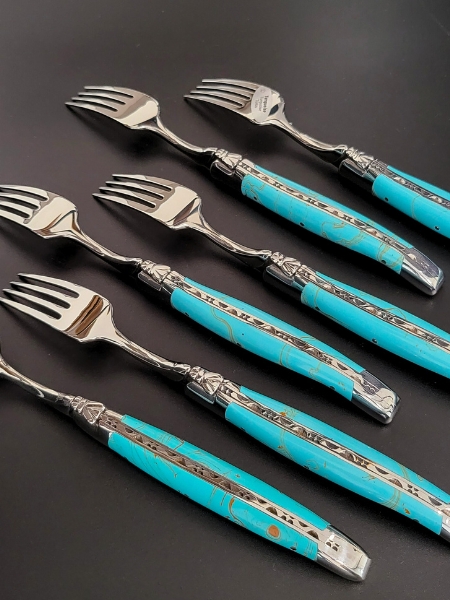
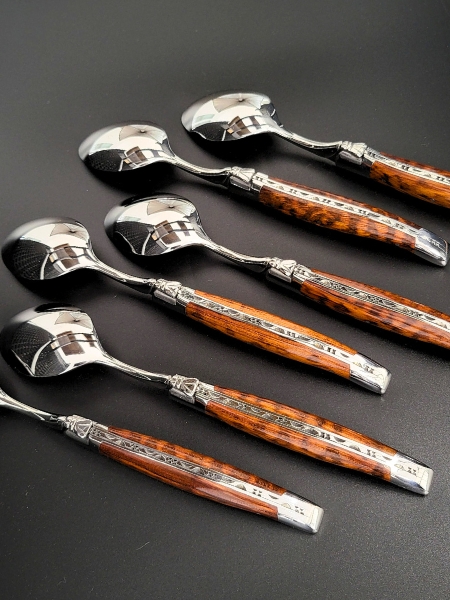
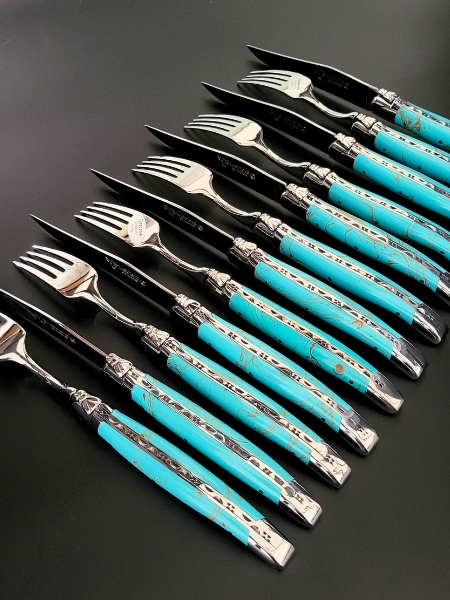
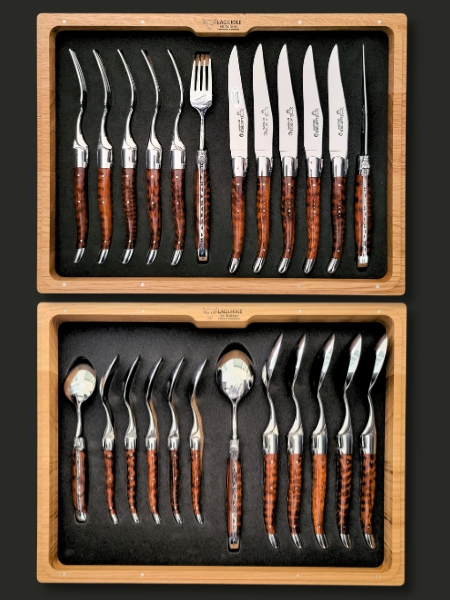
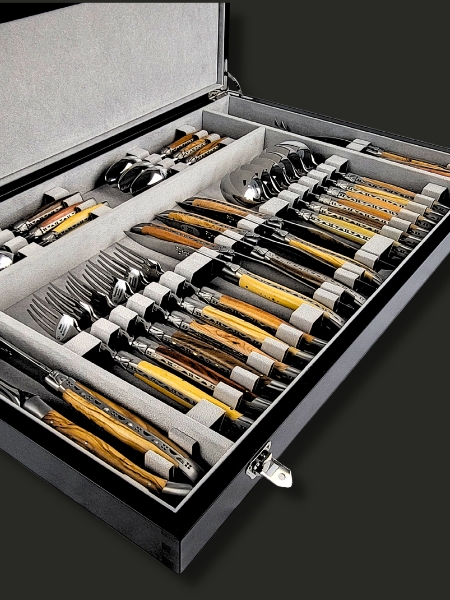
Explore our curated selection of Laguiole en Aubrac cutlery sets, ranging from classic to contemporary styles, featuring an array of vibrant and unique handle materials. Available in sets of 2, 4, or 6, with optional forks, as well as soup and dessert spoons.
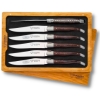
Various handle materials
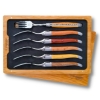
Various handle materials
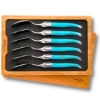
Various handle materials
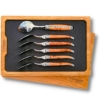
Various handle materials
Various handle materials
Various handle materials
Various handle materials
Various handle materials
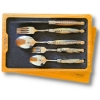
Various handle materials
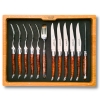
Various handle materials
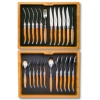
Various handle materials
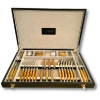
Various handle materials
Additional Knives and Sets
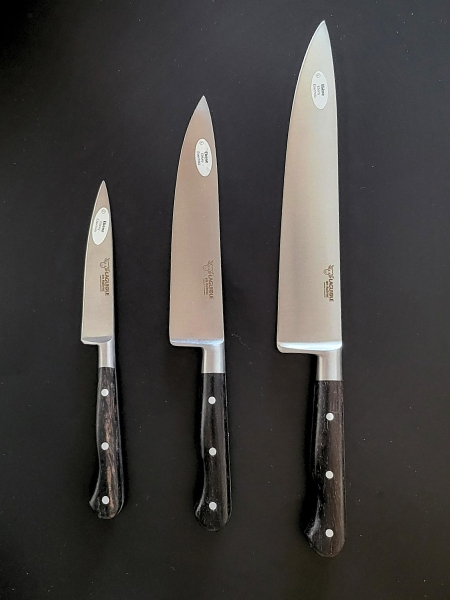
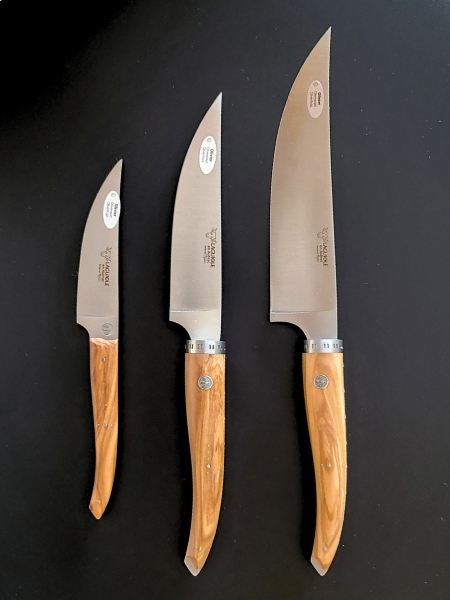
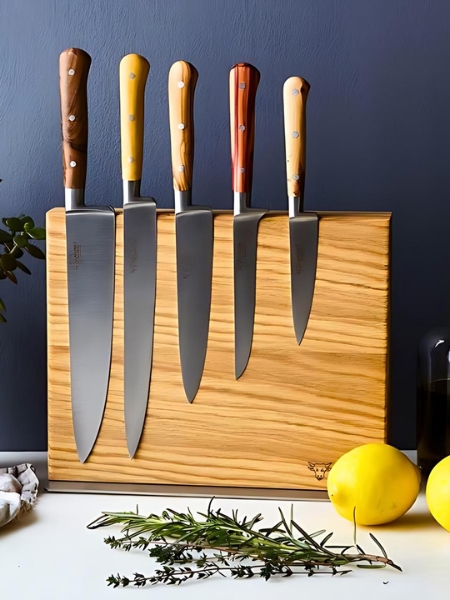
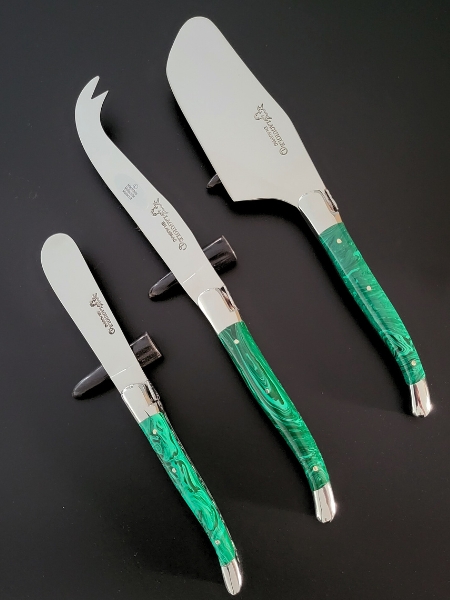
Explore our supplementary cutlery range, crafted to elevate your dining experience and provide you with an unmatched culinary journey. This sophisticated and stylish collection encompasses cheese knives, oyster knives, carving sets, and a myriad of other indispensable accessories for a meticulously arranged table.
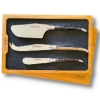
Individuals or in sets x3
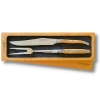
Various handle materials
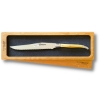
Various handle materials
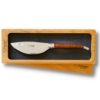
Various handle materials
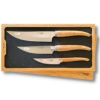
Individuals or in sets x3
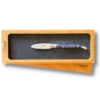
Recycled seashell handles
Various handle materials
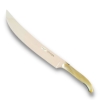
Various handle materials