Laguiole Knives
› Free laser engraving
All Laguiole pocket knives
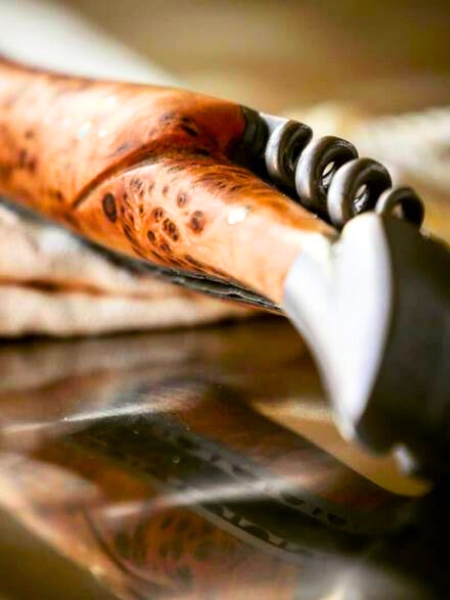
Laguiole knives with corkscrew
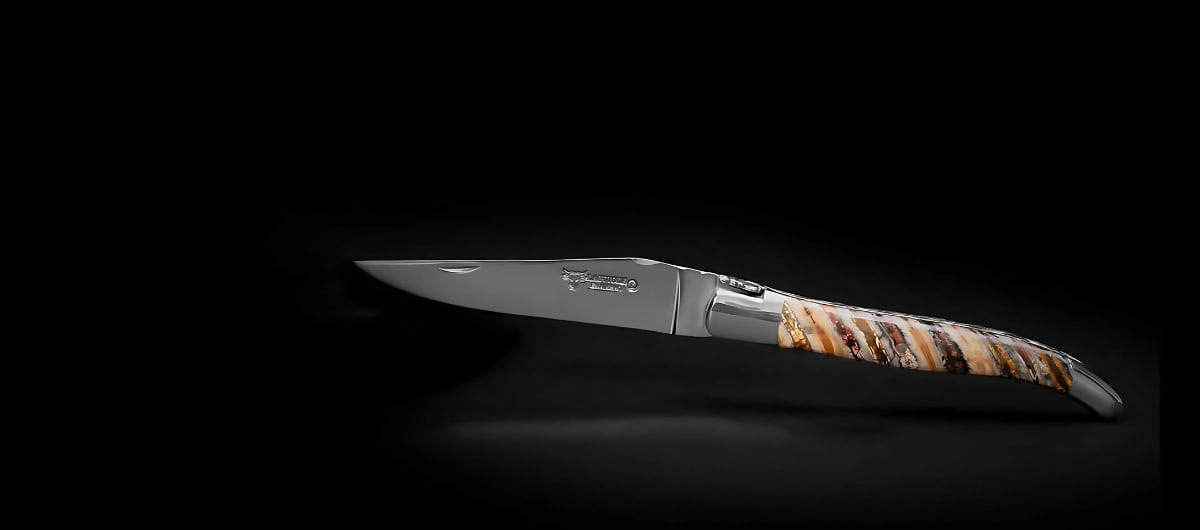
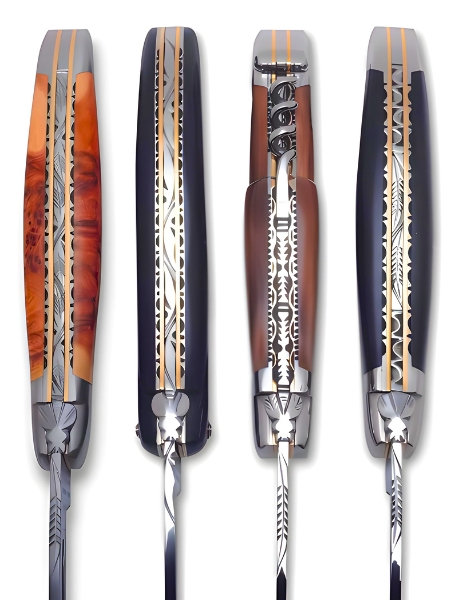
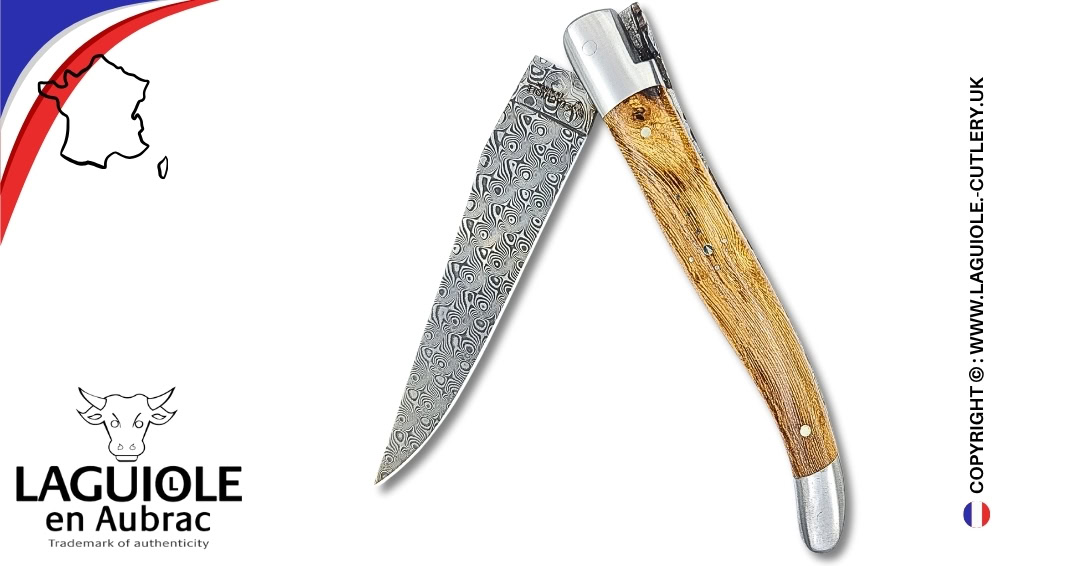
On a traditional folding knife, the handle scales sit on thin metal sheets called liners. They give the frame its shape, guide the blade and help the backspring do its job. A double-plates Laguiole simply uses two liners to reinforce the structure. The result is a subtly thicker spine and a frame that resists torsion and flex more than a single-liner build, while keeping the long, elegant Laguiole silhouette.
Stability — the dual-liner frame feels planted when you bear down for a precise cut; lateral play is minimised.
Presence — a touch more mass across the frame; you notice steadiness rather than weight.
Decoration — the extra liner surface invites guilloché (hand-filed patterns) along the spring and liners; detail you can feel under the thumb.
Think of dual-liner construction as architecture for the hand: the line remains slim, the behaviour gets calmer, and the spine becomes quietly expressive.
Ready to browse? See the collection: Double-Plates Laguiole Pocket Knives.
When these elements meet cleanly — no steps at transitions, no daylight at the joint — you feel it in seconds. That composure is what you’re buying.
A good Laguiole should open with even resistance and close with a tidy, confident snap. Dual liners don’t alter that choreography; they change the confidence of each movement. With the centre of gravity a touch lower in the palm, thin slices and small, careful cuts feel more predictable. The closing note is often a shade deeper; the knife reads planted rather than feather-light.
Importantly, a well-built dual-liner will not introduce hotspots. Run fingers across the liner-to-scale transitions and bolsters: your skin should not detect steps or gaps.
Note (UK): always consult current guidance before carrying any knife in public. This guide helps you choose a product for home and leisure; you are responsible for compliance in your context.


Decide by feel, mood and context. A few clear choices will take you straight to the right knife.
Quality stainless steel is the refined default for UK daily use: reliable, easy to maintain, tuned for a fine, predictable edge. If you enjoy ceremony and pattern, pair a dual-liner frame with a Damascus blade; the layered grain sits beautifully above decorated liners.
Dual-liner knives flatter both natural hardwoods and horn. Woods read convivial and warm, horn feels silky and formal. Every piece is naturally unique in tone and figure; choose by the mood you want in hand and on the table.
If you carry in a blazer, pick the slimmest dual-liner reference. If you prefer a touch more presence in a country jacket or rucksack, opt for a model with slightly more substance or brass bolsters. The pocket should read steady, never heavy.
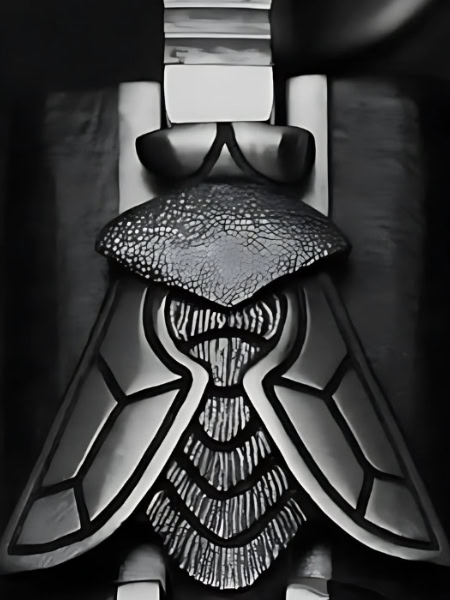
Double-plates does not mean “ornate”. It means you have room for details that reward attention: a sculpted or forged bee blended into the spring; crisp transitions at the bolsters; file-work you feel under the thumb as you open and close the blade. Even when you choose a minimal look, the twin liners subtly thicken the line at the spine, changing how the knife reads under warm light or on a clean table setting.
For a cooler, modern mood, keep the spine plain with polished stainless bolsters and a calm wood grain. For a heritage note, add brass bolsters and subtle guilloché — the frame will still read refined, not busy.
These knives are designed to age gracefully with modest, regular care. Keep the routine simple and consistent:

| Aspect | Dual-liner (Double-Plates) | Single-liner (Classic) |
|---|---|---|
| Stability under load | Higher torsion resistance; planted feel | Lighter, slightly more flex |
| Pocket presence | Steady, composed; still blazer-friendly | Feather-light; minimal presence |
| Spine aesthetics | More surface for guilloché/decoration | Cleaner, minimal line by default |
| Collector appeal | Strong (detail lovers) | Strong (purists) |
| Best for | Owners who enjoy substance and detail | Owners who want the purest, lightest feel |
Both are “right” — choose the behaviour you’ll enjoy every day.
A double-plates (dual-liner) Laguiole keeps the long, graceful line that defines the icon, yet adds steadiness, subtle weight and a stage for hand-worked detail. When you’re ready, explore the current selection and choose the piece that fits your wardrobe, your table and your weekends.
No. The profile remains slim; you notice steadiness rather than mass. Most owners find the extra stability improves control for fine cuts without adding pocket bulk.
Both share the elegant silhouette and calm mechanics. Dual-liner adds a second liner for a stiffer frame, a slightly deeper closing note and more scope for decorated spine and liners.
Most dual-liner knives are single-blade formats. Where a corkscrew is present, expect a touch more presence in hand; the frame should still feel balanced if the integration is well executed.
Avoid oils and household cleaners. Wipe and dry after use, keep surfaces clean with a soft cloth, and store the knife in a pouch or presentation box between uses, away from heat and humidity.

• Crafted in France, in the historic area of origin.
• Engraving and dispatch completed on the day of ordering.
• Deliveries to France, the European Union, and worldwide.
• Delivery within 48 hours in the UK. 4 days to the USA with DHL Express.
• Supplied with: certificate of authenticity, 14-page manual of genuine Laguiole knives, protective case.
COMPLIMENTARY LASER ENGRAVING
Laser engraving on the blade is an innovative technique that merges art and technology to elevate and customize a knife. Select from 6 fonts and 12 symbols.
Laguiole POCKET KNIVES
Explore our range of Laguiole en Aubrac folding knives, a hallmark of French artisanal cutlery. These premium pocket knives, blending elegance and functionality, embody the essence of traditional craftsmanship and unparalleled expertise in knife making.
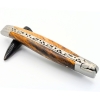
All Laguiole Folding Knives
When Craftsmanship Becomes Art
Laguiole Damascus steel blades captivate with hypnotic wave patterns
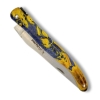
Explore the pinnacle of Laguiole artistry with our Limited & Unique Editions
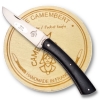
French Gastronomy Meets Fine Cutlery.
LAGUIOLE CORKSCREWS
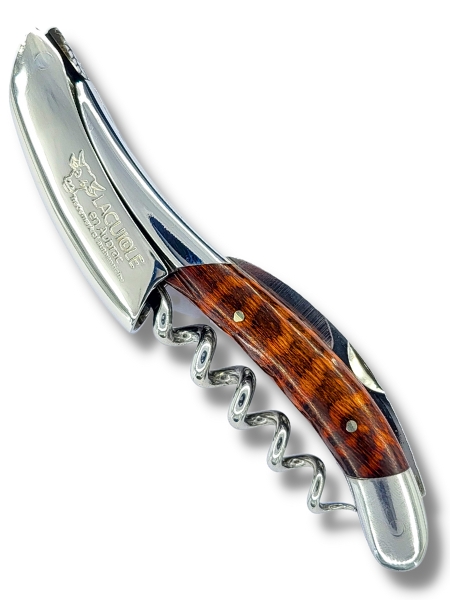
Explore our collection of Laguiole en Aubrac sommelier corkscrews, indispensable tools for wine enthusiasts and oenology experts. Each corkscrew is meticulously crafted to the exacting standards of the renowned Laguiole en Aubrac knives.
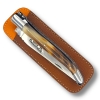
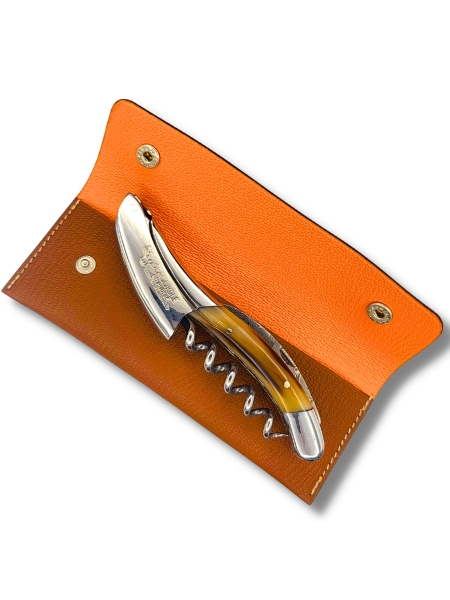
Sheaths, Box & Belt Pouches
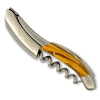
Marquetry - Wood - Horn or Bone
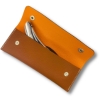
Leather Sheaths
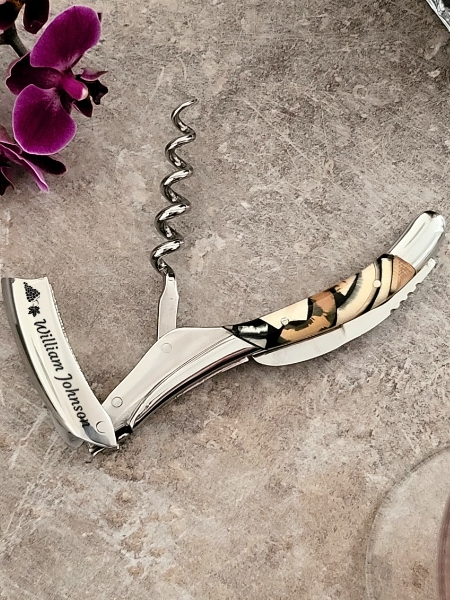
COMPLIMENTARY LASER ENGRAVING
Opting for a personalised Laguiole en Aubrac sommelier corkscrew means injecting a dash of originality into an object already renowned for its quality and aesthetics!

LAGUIOLE CUTLERY SETS
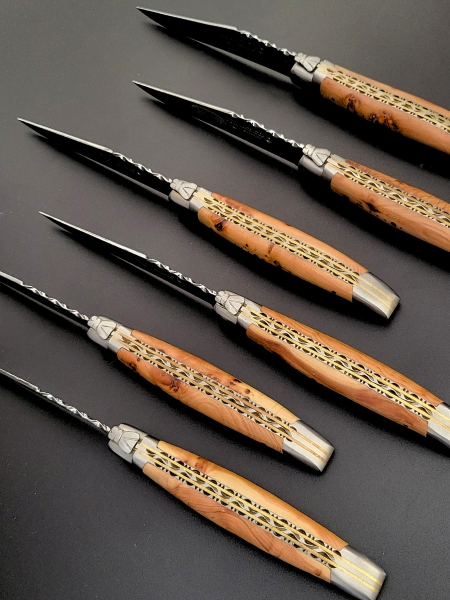
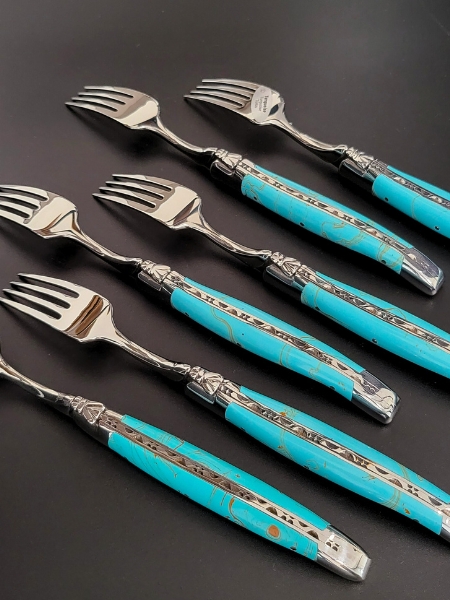
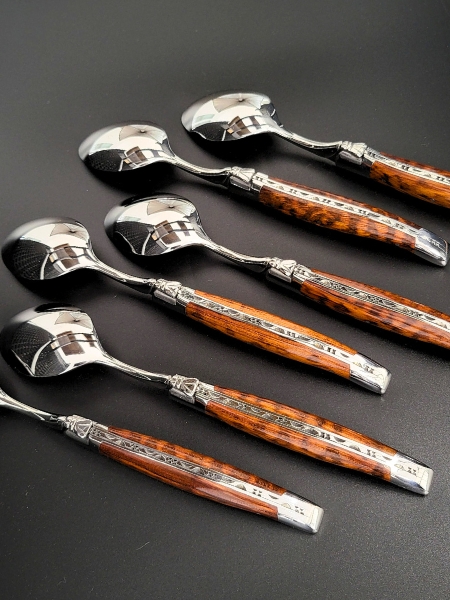
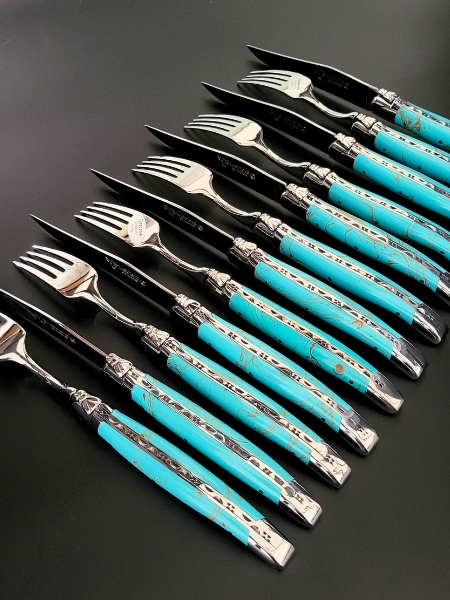
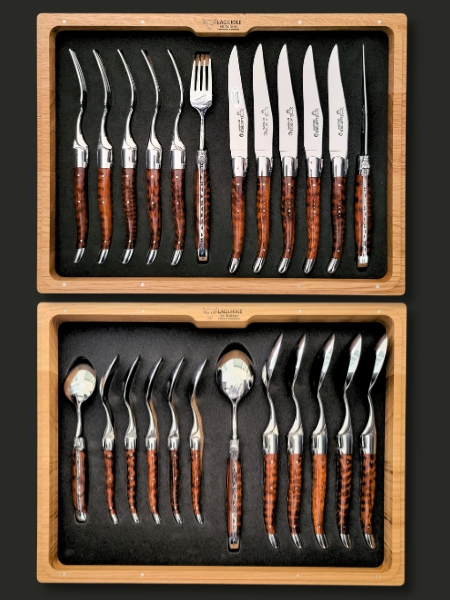
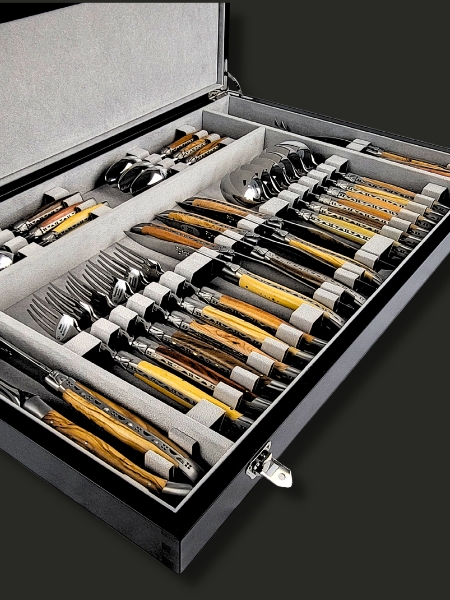
Explore our curated selection of Laguiole en Aubrac cutlery sets, ranging from classic to contemporary styles, featuring an array of vibrant and unique handle materials. Available in sets of 2, 4, or 6, with optional forks, as well as soup and dessert spoons.
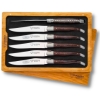
Various handle materials
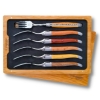
Various handle materials
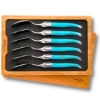
Various handle materials
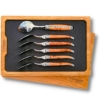
Various handle materials
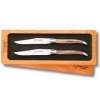
Various handle materials
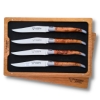
Various handle materials
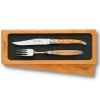
Various handle materials
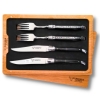
Various handle materials
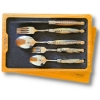
Various handle materials
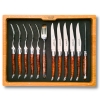
Various handle materials
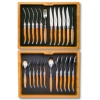
Various handle materials
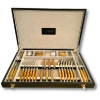
Various handle materials
Additional Knives and Sets
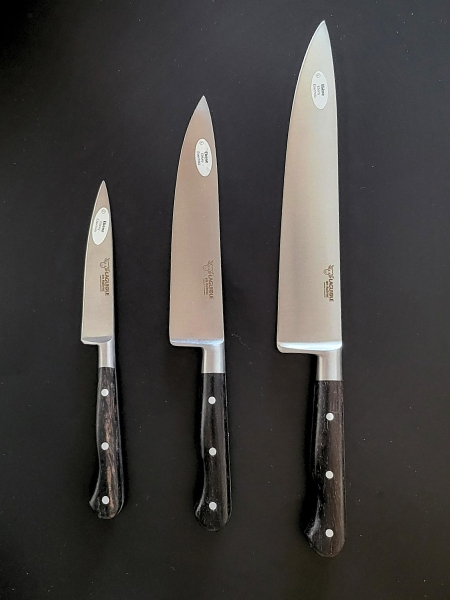
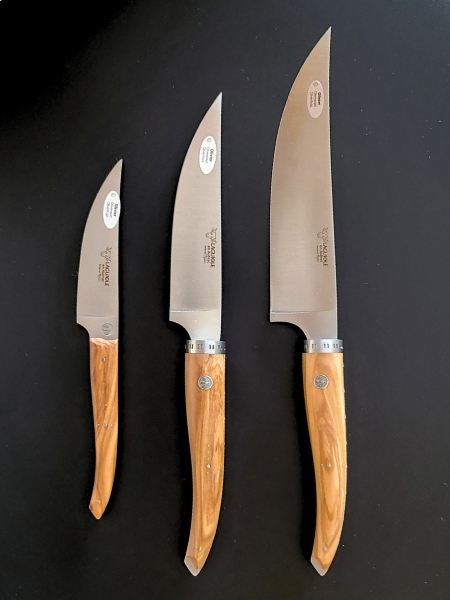
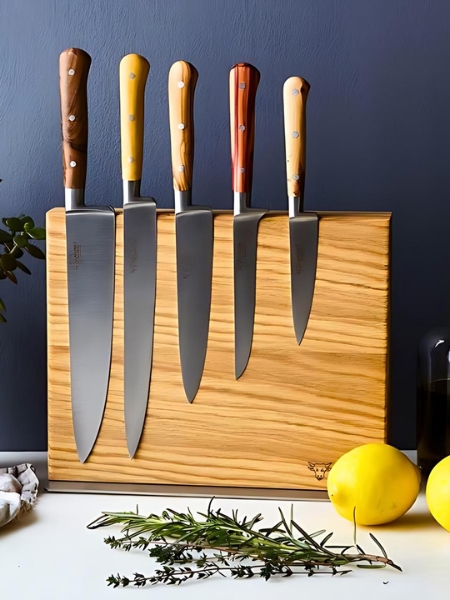
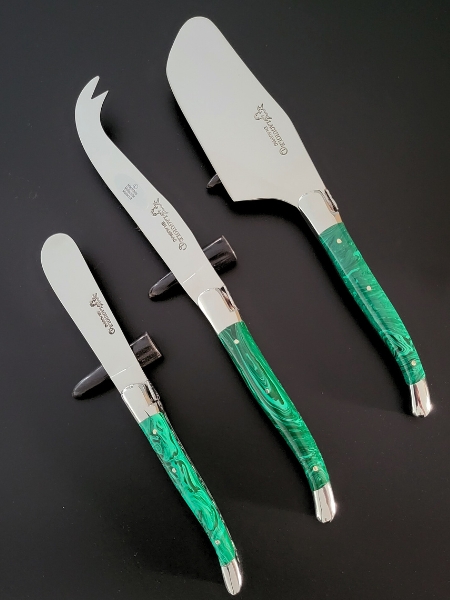
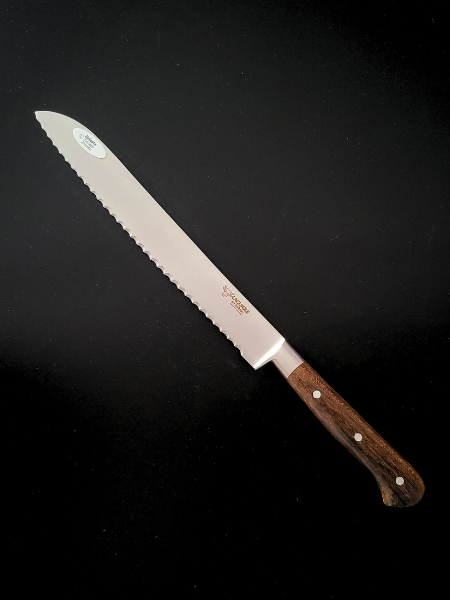
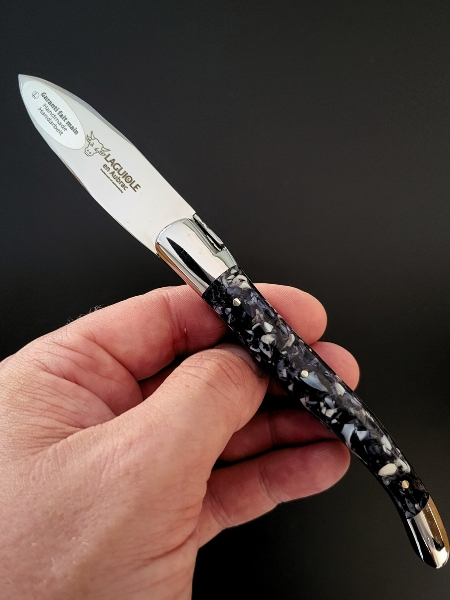
Explore our supplementary cutlery range, crafted to elevate your dining experience and provide you with an unmatched culinary journey. This sophisticated and stylish collection encompasses cheese knives, oyster knives, carving sets, and a myriad of other indispensable accessories for a meticulously arranged table.
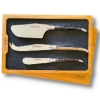
Individuals or in sets x3
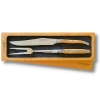
Various handle materials
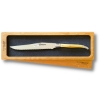
Various handle materials
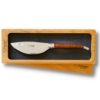
Various handle materials
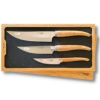
Individuals or in sets x3
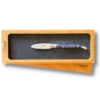
Recycled seashell handles
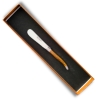
Various handle materials
Various handle materials