Laguiole Knives
› Free laser engraving
All Laguiole pocket knives
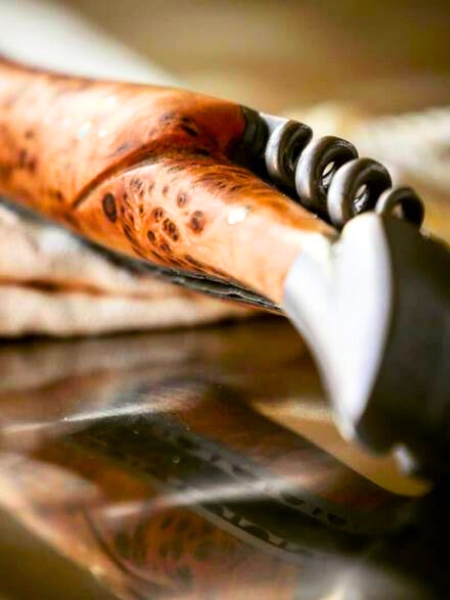
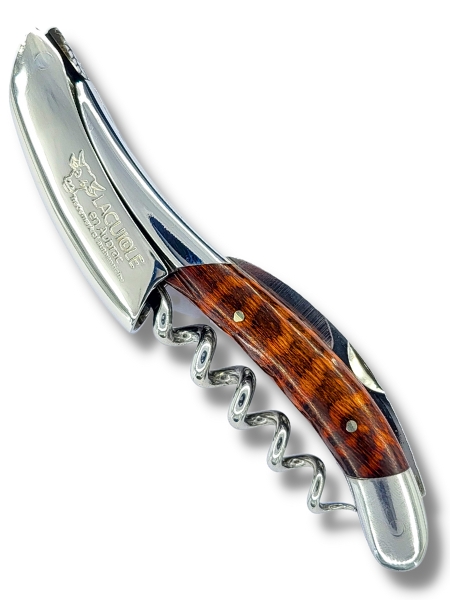
Laguiole knives with corkscrew
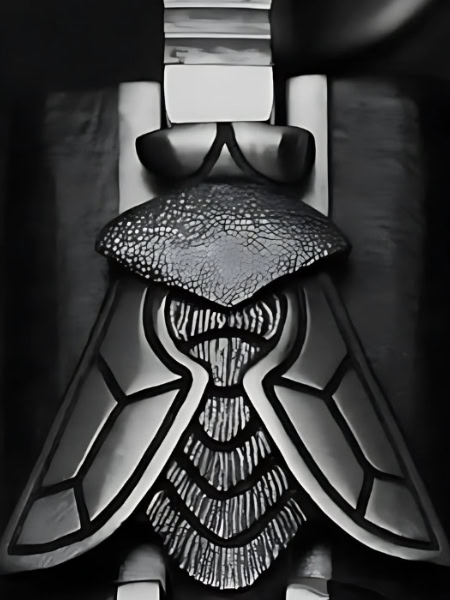
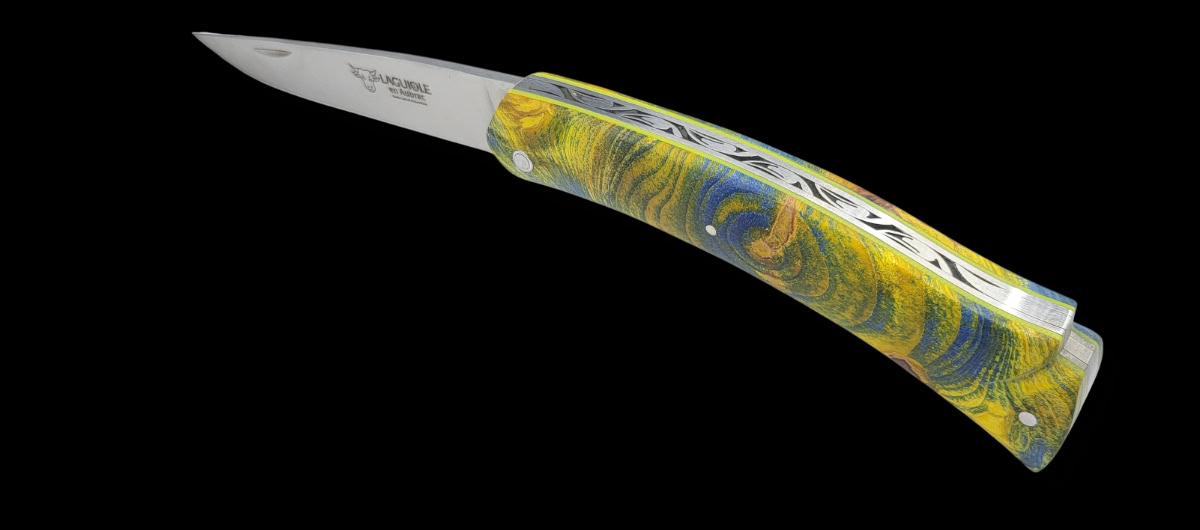
Limited Editions are produced in small, numbered runs that share a common concept — perhaps a particular sculpted bee, a specific file-work motif on the spine and plates, or a coordinated choice of scale materials. Each piece is still handmade, so minor variations are natural, but the theme remains constant. A Limited Edition suits collectors who enjoy coherence: you can recognise the series at a glance.
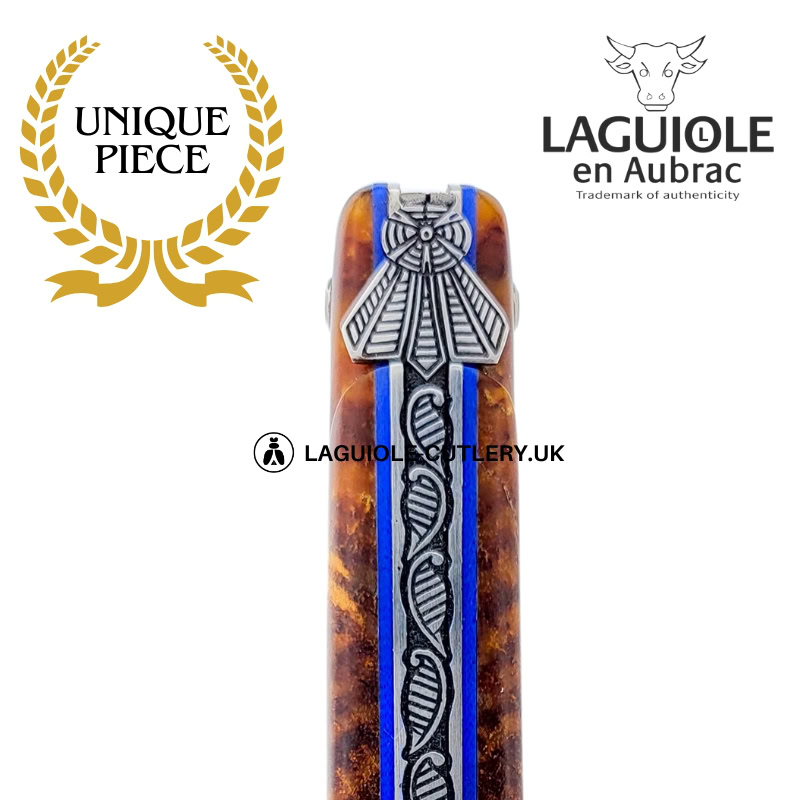
One-of-a-Kind Pieces are singular compositions. The maker selects materials, emblem and file-work specifically for that knife, and the result will not be repeated. You don’t merely buy a specification; you buy a story crystallised in one object. This route suits owners who want unmistakable individuality — the feeling that the knife on the table could not be anyone else’s.
Both types are handmade in France with the composed mechanics expected of genuine Laguiole. The difference lies in narrative and scarcity: a small series to collect, or a single statement to keep.
Browse the selection after reading: Limited & Truly Unique Laguiole Editions.
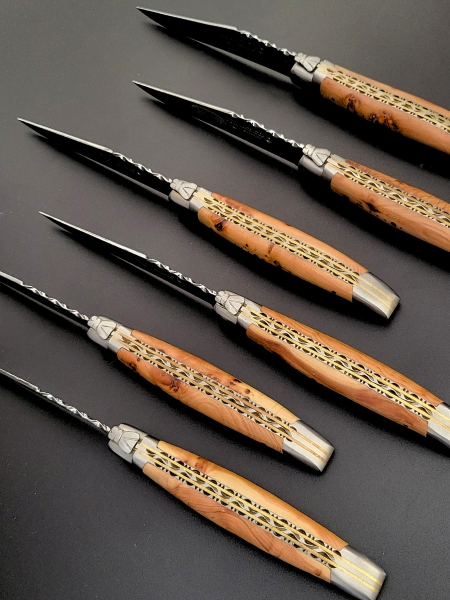
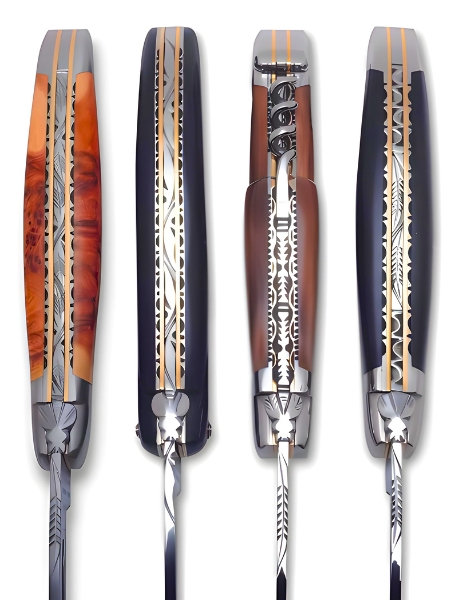
A unique Laguiole feels deliberate the instant it meets your hand. The spine under the thumb has been given time — decorative file-work that reads crisp and even, without burrs. The plates (sometimes called liners) are hand-filed to echo the rhythm of the spine, creating a quiet play of light along the frame. The emblem at the head — often a sculpted bee, sometimes a thoughtfully reimagined motif — blends seamlessly into the spring. Transitions at bolsters and scales are clean; opening pull is measured; the closing note is composed and certain. It’s the difference between a good tool and a small, personal object.
Decoration never excuses weak mechanics. Expect a steady, even pull on opening and a calm, confident closing note. The blade should seat home tidily with no daylight. The centre of gravity should read settled, not nose-heavy; the action should encourage accuracy over force. If any element feels scratchy or loose, choose another piece — the right one will feel composed in seconds.
Limited and unique pieces often draw from a broader palette of materials. Pick by mood, tactility and context first; rarity comes second.
On the blade side, you’ll meet two families: stainless steel tuned for predictable daily cutting, and stainless Damascus steel whose layered lines animate the silhouette. Either approach is correct; choose the look that suits your lighting and your tables.


A Laguiole communicates through transitions and lines. On unique and limited pieces, attention concentrates at three points: the plates, the spine and the emblem.
Run your thumb along the back: you should feel channels, not scratches. Tilt the knife under light: the plates should catch with a disciplined rhythm, not random reflection. These are the tells of committed handwork.
You don’t need a checklist as long as your arm. Make a few clear decisions and you’ll arrive at the right knife.
| Aspect | Limited Editions | One-of-a-Kind Pieces | Classic Models |
|---|---|---|---|
| Narrative | Small numbered series with a shared theme | Singular composition not to be repeated | Core silhouette, minimal ornament |
| Collecting | Coherent set to build over time | Anchor piece for a personal collection | Foundational reference for daily use |
| Visual identity | Recognisable motif (emblem/file-work/materials) | Unmistakably individual | Understated, timeless |
| Pocket feel | Composed; theme-driven detail | Composed; detail chosen for this one piece | Lightest and purest read |
| Best for | Series-minded collectors, gifting | Milestones, unequivocal uniqueness | First Laguiole, daily minimalism |
All three are “right”; choose the story you’ll enjoy carrying.
These knives are designed to age with dignity. Keep the routine modest and regular:
Consistency matters more than effort. The right habits let detail stay crisp and surfaces remain composed.

Limited and One-of-a-Kind Laguiole pieces are not louder; they are more deliberate. If you value quiet theatre and objects that carry their story with grace, this is where to choose. When you are ready, explore the current selection and find the piece that fits your table, your pocket and your weekends.
A unique piece is a single composition — materials, emblem, file-work and overall mood selected for that one knife. It will not be repeated. A limited edition belongs to a small, numbered run sharing a theme.
Stainless. Where a Damascus blade is specified, it is stainless Damascus chosen for reliable daily use and refined presentation.
Care is simple: wipe and dry after use, keep chemicals away from natural scales, and store the knife dry. A soft brush preserves the crispness of file-work.
Look for clear documentation of French manufacture, clean fit and finish at bolsters and scales, composed action and crisp, aligned file-work on spine and plates.

• Crafted in France, in the historic area of origin.
• Engraving and dispatch completed on the day of ordering.
• Deliveries to France, the European Union, and worldwide.
• Delivery within 48 hours in the UK. 4 days to the USA with DHL Express.
• Supplied with: certificate of authenticity, 14-page manual of genuine Laguiole knives, protective case.
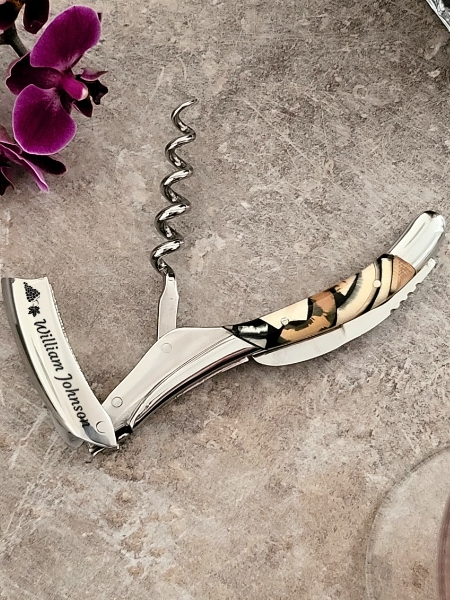
COMPLIMENTARY LASER ENGRAVING
Laser engraving on the blade is an innovative technique that merges art and technology to elevate and customize a knife. Select from 6 fonts and 12 symbols.
Laguiole POCKET KNIVES
Explore our range of Laguiole en Aubrac folding knives, a hallmark of French artisanal cutlery. These premium pocket knives, blending elegance and functionality, embody the essence of traditional craftsmanship and unparalleled expertise in knife making.
All Laguiole Folding Knives
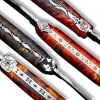
When Craftsmanship Becomes Art
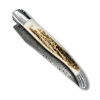
Laguiole Damascus steel blades captivate with hypnotic wave patterns
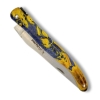
Explore the pinnacle of Laguiole artistry with our Limited & Unique Editions
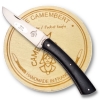
French Gastronomy Meets Fine Cutlery.
LAGUIOLE CORKSCREWS
Explore our collection of Laguiole en Aubrac sommelier corkscrews, indispensable tools for wine enthusiasts and oenology experts. Each corkscrew is meticulously crafted to the exacting standards of the renowned Laguiole en Aubrac knives.
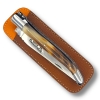
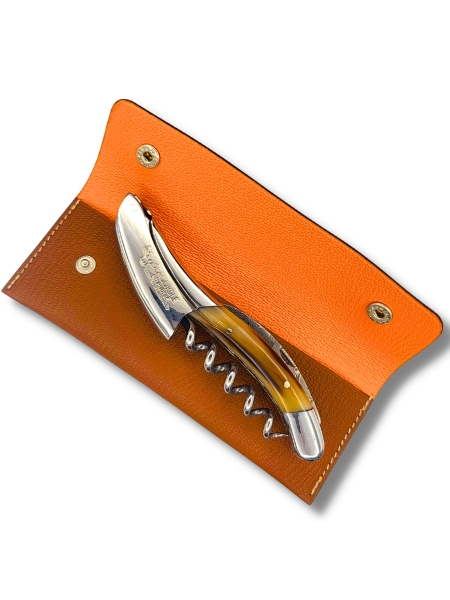
Sheaths, Box & Belt Pouches
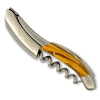
Marquetry - Wood - Horn or Bone
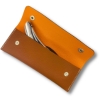
Leather Sheaths
COMPLIMENTARY LASER ENGRAVING
Opting for a personalised Laguiole en Aubrac sommelier corkscrew means injecting a dash of originality into an object already renowned for its quality and aesthetics!

LAGUIOLE CUTLERY SETS
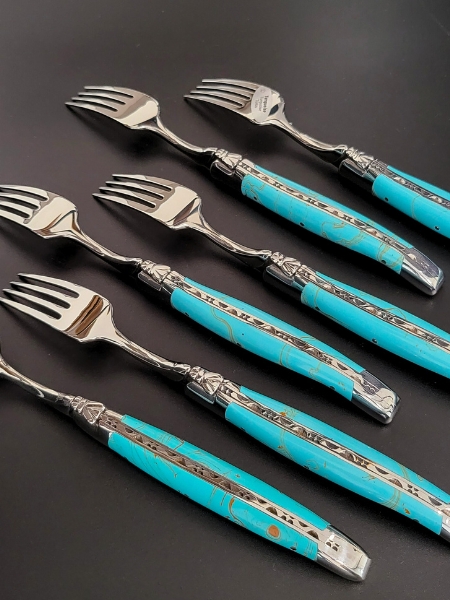
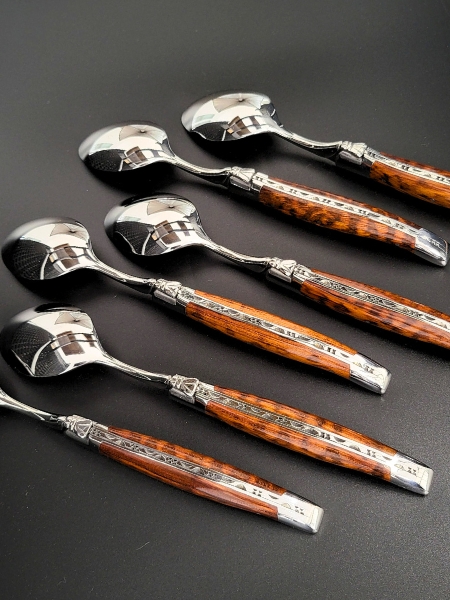
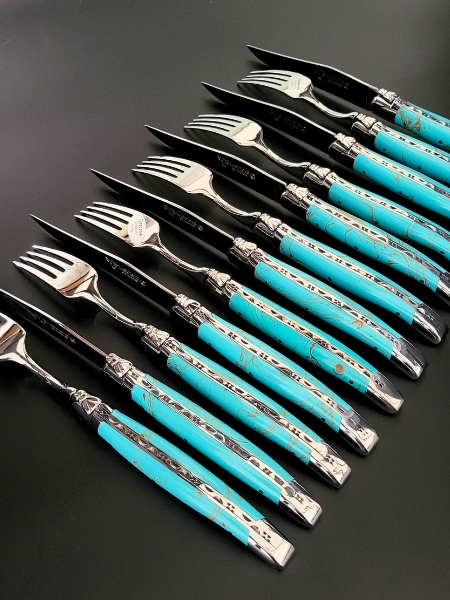
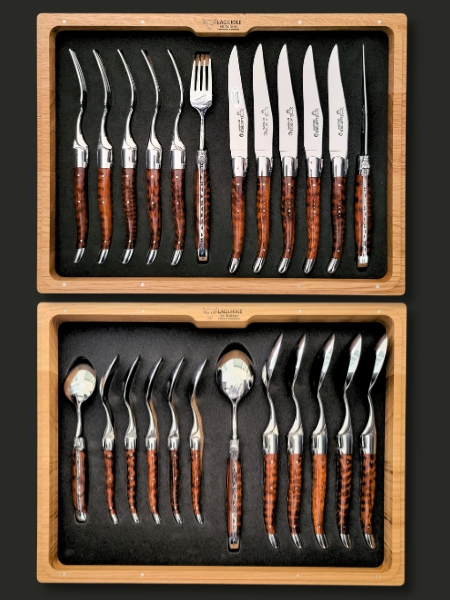
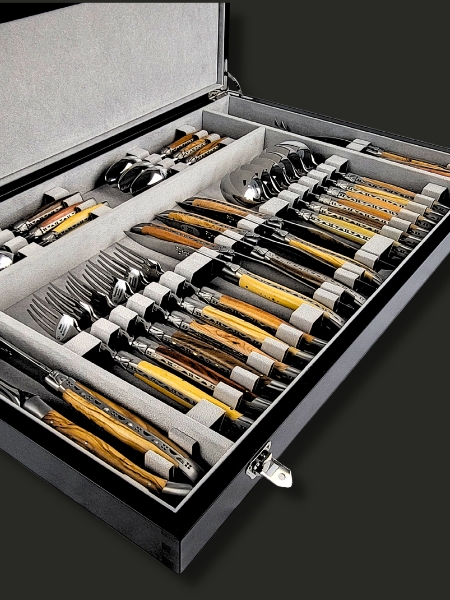
Explore our curated selection of Laguiole en Aubrac cutlery sets, ranging from classic to contemporary styles, featuring an array of vibrant and unique handle materials. Available in sets of 2, 4, or 6, with optional forks, as well as soup and dessert spoons.
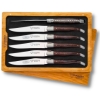
Various handle materials
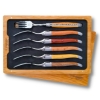
Various handle materials
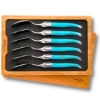
Various handle materials
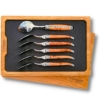
Various handle materials
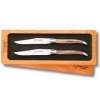
Various handle materials
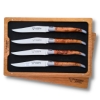
Various handle materials
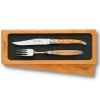
Various handle materials
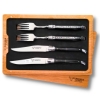
Various handle materials
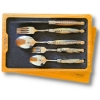
Various handle materials
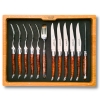
Various handle materials
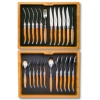
Various handle materials
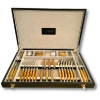
Various handle materials
Additional Knives and Sets
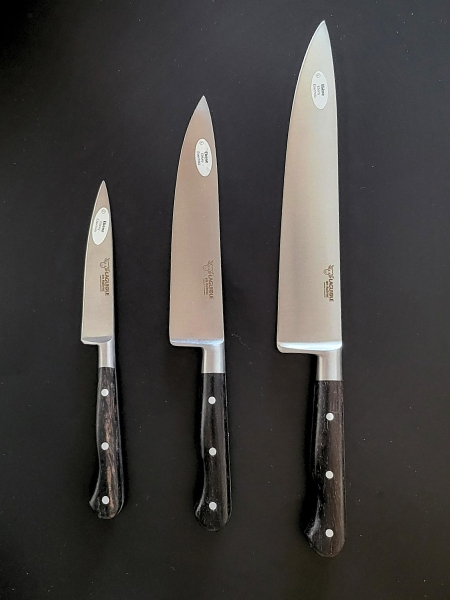
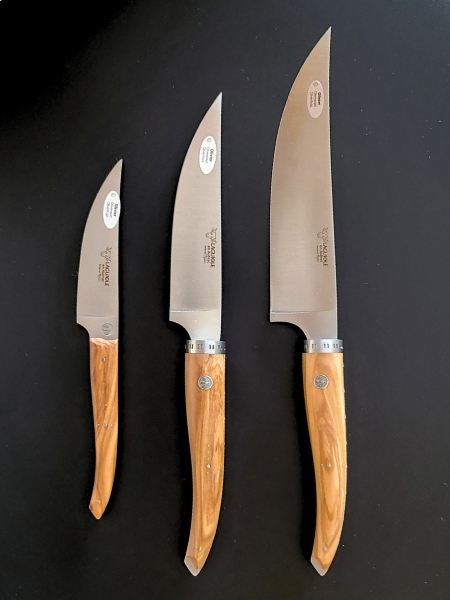
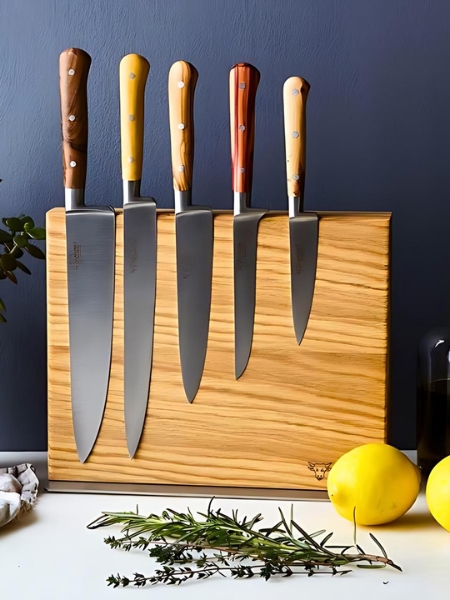
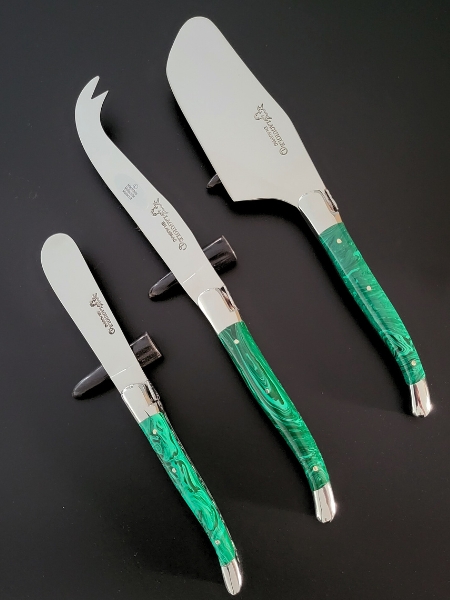
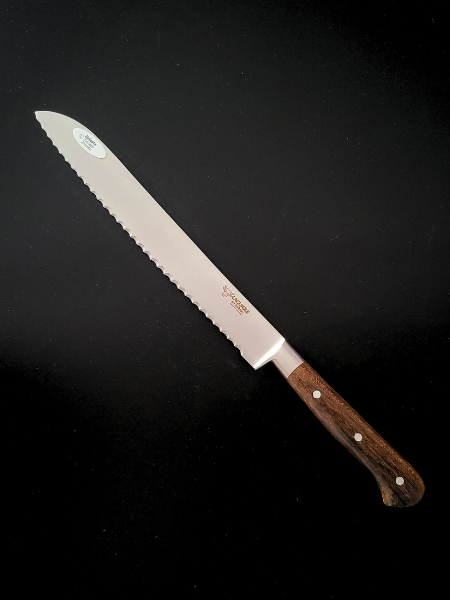
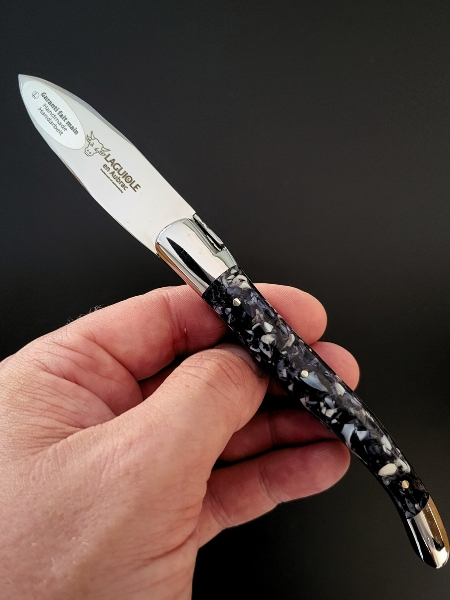
Explore our supplementary cutlery range, crafted to elevate your dining experience and provide you with an unmatched culinary journey. This sophisticated and stylish collection encompasses cheese knives, oyster knives, carving sets, and a myriad of other indispensable accessories for a meticulously arranged table.
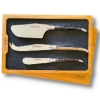
Individuals or in sets x3
Various handle materials
Various handle materials
Various handle materials
Individuals or in sets x3
Recycled seashell handles
Various handle materials
Various handle materials