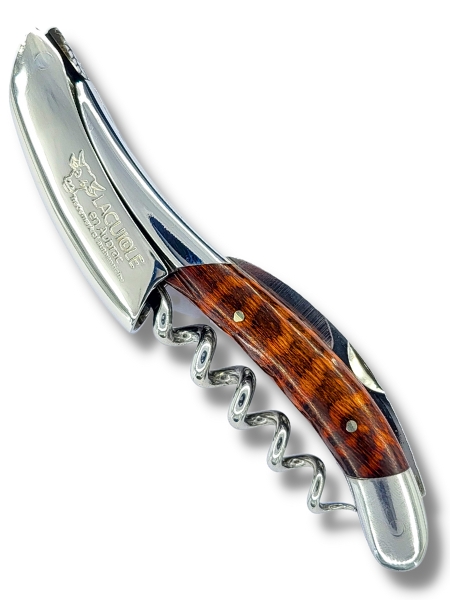
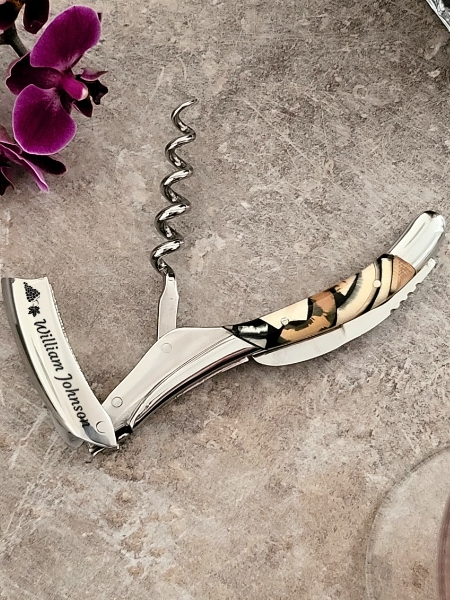
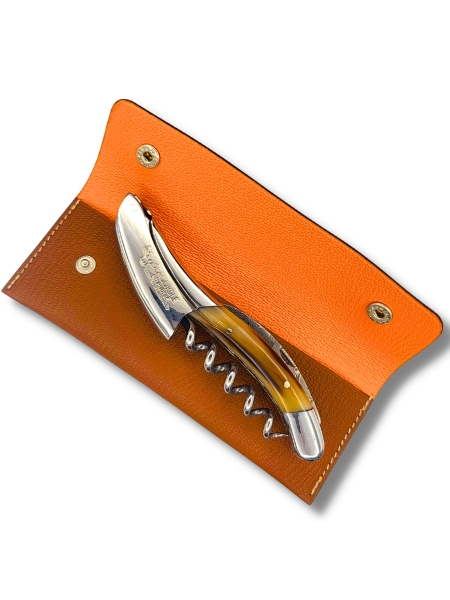
Brown Curved Synthetic Sheath for Laguiole Corkscrew and Pocket Knife
Laguiole Knives
› Free laser engraving
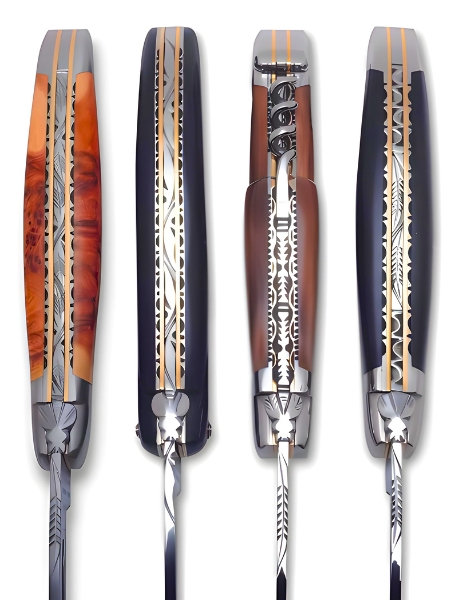
All Laguiole pocket knives
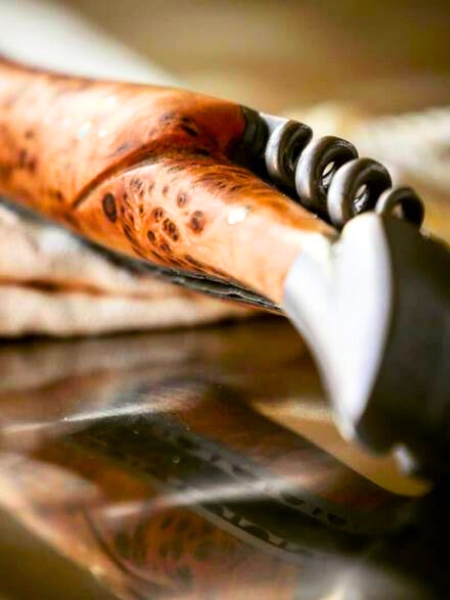
Laguiole knives with corkscrew
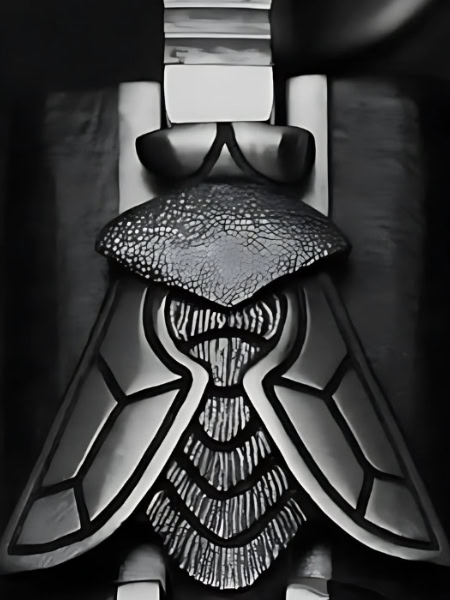
Each Laguiole champagne sabre you see here is handmade in France, the work of Laguiole en Aubrac, with one purpose: sabrage. Draw the sabre up the bottle’s seam to the lip and the glass collar comes away, cork and all. Each blade bears the name Laguiole en Aubrac, which is how you tell it apart from factory-made knives that carry the Laguiole name.
Some know it as a champagne sword or a sabrage sword, and choosing between these champagne sabres starts with the handle. Juniper is satin-finished, while the buffalo horn and zebu horn tip handles are both polished. If you mean to sabre champagne for the first time, the guide linked below sets out the history, the method and the safety points.
•French and handmade•Made for sabrage•Handle in wood or horn•

Laguiole Champagne Sabres

Laguiole Champagne Sabres

Laguiole Champagne Sabres

Laguiole Champagne Sabres
Juniper gives you a wooden handle with a satin finish, soft in sheen rather than glossy. Buffalo horn and zebu horn tip both have a polished finish, so they shine more. The choice comes down to the look you like best, satin wood or polished horn. As natural materials, all three are washed by hand and dried at once, and none goes in the dishwasher. Whichever you choose, Laguiole en Aubrac is the maker, and its name is on the blade.
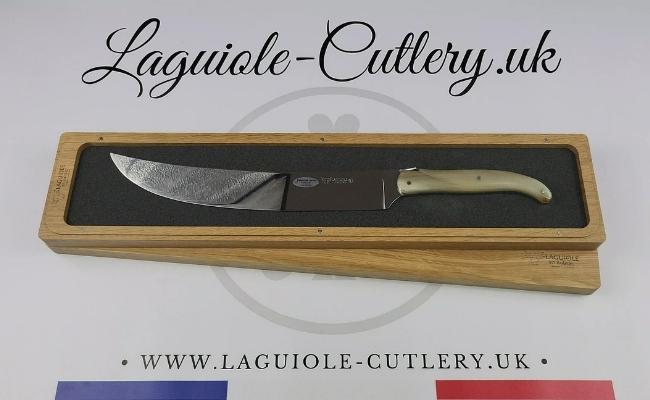
Video · 0:27
Watch the zebu horn tip sabre
This sabre has a polished zebu horn tip handle and is handmade in France.
Sabrage is the art of uncorking champagne with a sabre rather than easing the cork out by hand. The blade slides up the bottle along its seam and strikes the lip, and the glass collar breaks away cleanly with the cork still in it. It looks dramatic, yet it relies on technique more than force. The Laguiole Champagne Sabre guide covers where the custom comes from, each stage of the method and how to stay safe, so read it before your first attempt.
Champagne is the classic choice, and other sparkling wines made the same way, with their second fermentation in the bottle, such as a crémant or a cava, can be sabred too. What matters is the pressure inside and a bottle thick enough to hold it, so that the neck snaps off cleanly just below the lip, cork and collar together. A still wine will not work. Whichever bottle you pick, chill it for several hours first. Laguiole en Aubrac crafts each of these sabres by hand in France, and the handle comes in juniper, buffalo horn or zebu horn tip.
With a sabre for champagne, you open a bottle by sabrage, taking the cork and the lip of the bottle off in one stroke instead of twisting the cork free. People also call it a champagne knife. Laguiole en Aubrac makes these sabres in France, by hand, with handles of wood or horn.
Sabrage is safe when done with care. Chill the bottle thoroughly, point it well away from anyone, and make sure nothing breakable is in the path of the cork and the glass collar. Check the opening for stray glass before pouring. The guide linked above covers each step, and afterwards you wash the sabre by hand and dry it at once.
Get the bottle very cold, then strip the foil and untwist the wire. Find the line where the two halves of the bottle were joined, tilt the bottle away from everyone and, with the blade lying on that line, sweep it firmly up towards the neck. The ring of glass and the cork come off together. Handcrafted in France, every Laguiole en Aubrac sabre comes with a horn or wood handle.
Each order arrives with a care leaflet. After each use, wash the sabre by hand, then dry it straight away. The dishwasher is off limits for wood and horn.

• Crafted in France, in the historic area of origin.
• Engraving and dispatch completed on the day of ordering.
• Deliveries to France, the European Union, and worldwide.
• Delivery within 48 hours in the UK. 4 days to the USA with DHL Express.
• Supplied with: certificate of authenticity, 14-page manual of genuine Laguiole knives, protective case.
COMPLIMENTARY LASER ENGRAVING
Laser engraving on the blade is an innovative technique that merges art and technology to elevate and customize a knife. Select from 6 fonts and 12 symbols.
Laguiole POCKET KNIVES
Explore our range of Laguiole en Aubrac folding knives, a hallmark of French artisanal cutlery. These premium pocket knives, blending elegance and functionality, embody the essence of traditional craftsmanship and unparalleled expertise in knife making.
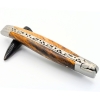
All Laguiole Folding Knives
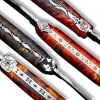
When Craftsmanship Becomes Art
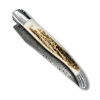
Laguiole Damascus steel blades captivate with hypnotic wave patterns
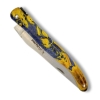
Explore the pinnacle of Laguiole artistry with our Limited & Unique Editions
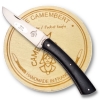
French Gastronomy Meets Fine Cutlery.
LAGUIOLE CORKSCREWS
Explore our collection of Laguiole en Aubrac sommelier corkscrews, indispensable tools for wine enthusiasts and oenology experts. Each corkscrew is meticulously crafted to the exacting standards of the renowned Laguiole en Aubrac knives.
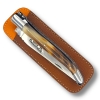
Sheaths, Box & Belt Pouches
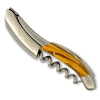
Marquetry - Wood - Horn or Bone
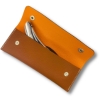
Leather Sheaths
COMPLIMENTARY LASER ENGRAVING
Opting for a personalised Laguiole en Aubrac sommelier corkscrew means injecting a dash of originality into an object already renowned for its quality and aesthetics!

LAGUIOLE CUTLERY SETS
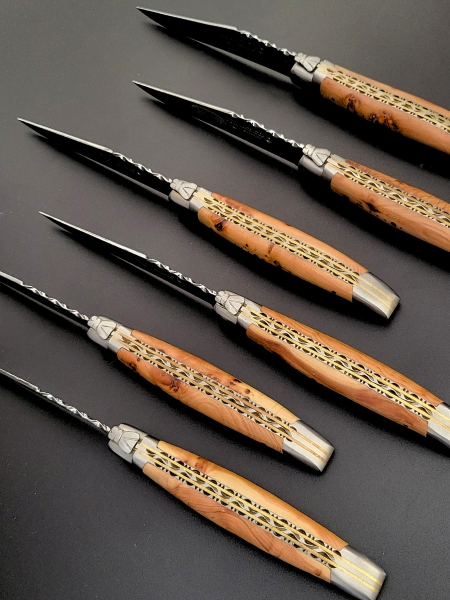
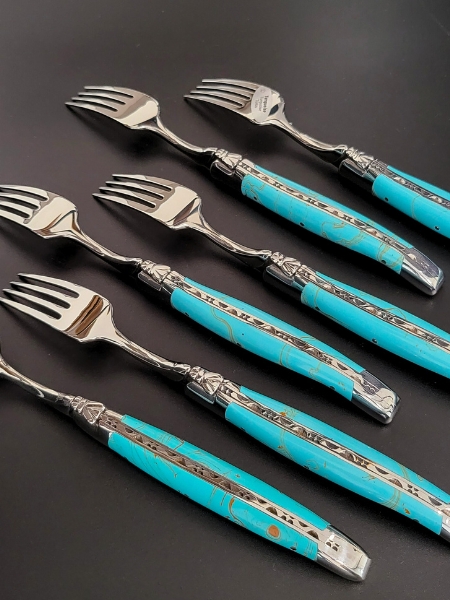
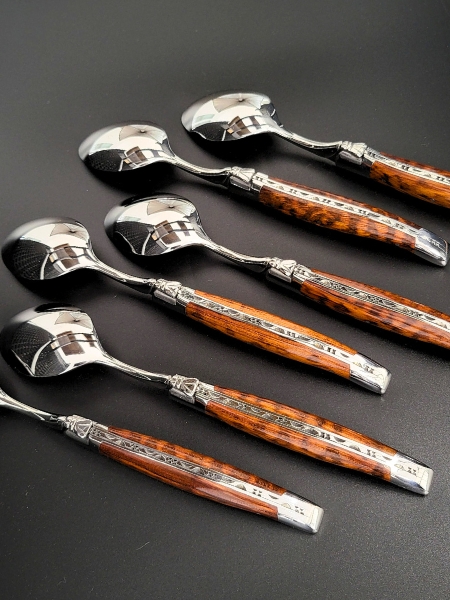
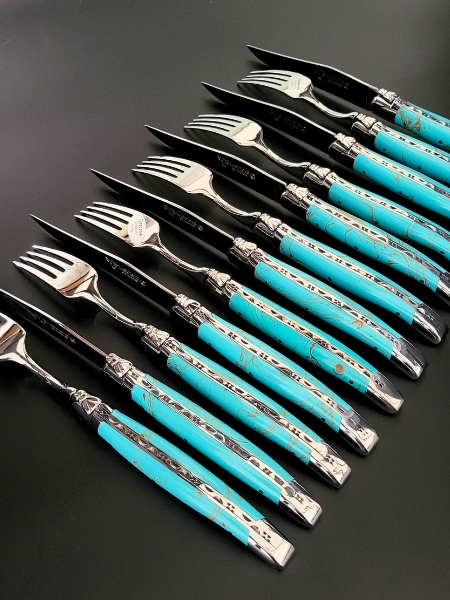
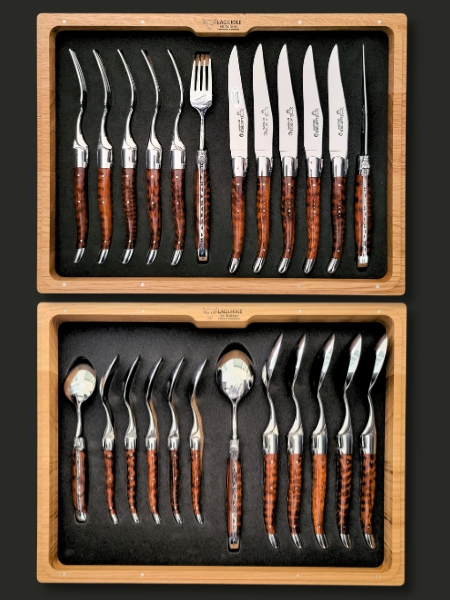
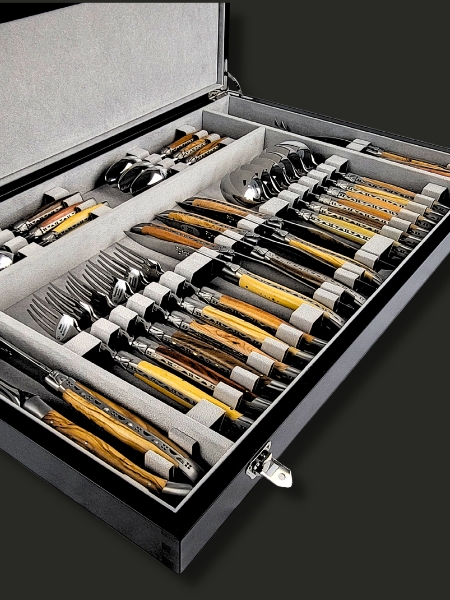
Explore our curated selection of Laguiole en Aubrac cutlery sets, ranging from classic to contemporary styles, featuring an array of vibrant and unique handle materials. Available in sets of 2, 4, or 6, with optional forks, as well as soup and dessert spoons.
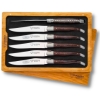
Various handle materials
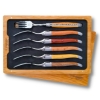
Various handle materials
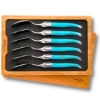
Various handle materials
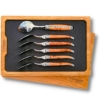
Various handle materials
Various handle materials
Various handle materials
Various handle materials
Various handle materials
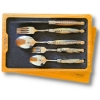
Various handle materials
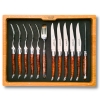
Various handle materials
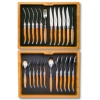
Various handle materials
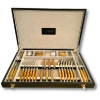
Various handle materials
Additional Knives and Sets
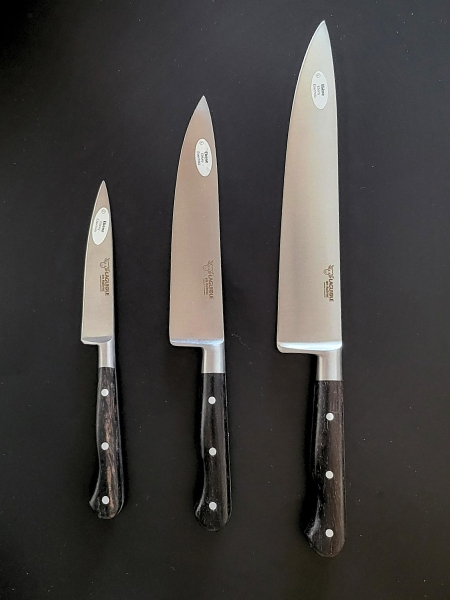
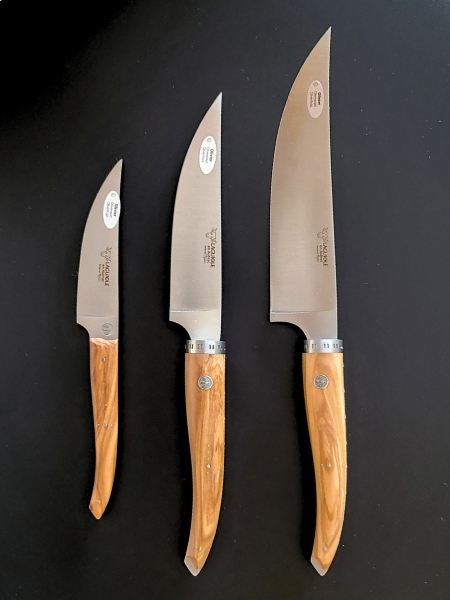
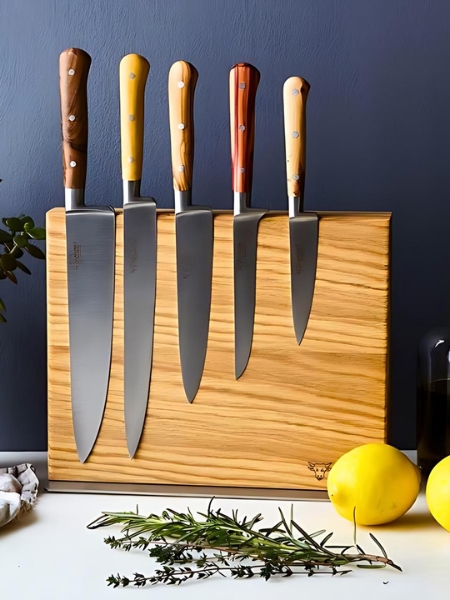
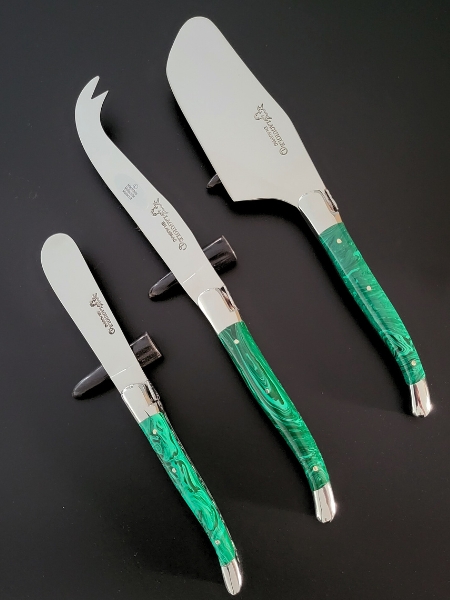
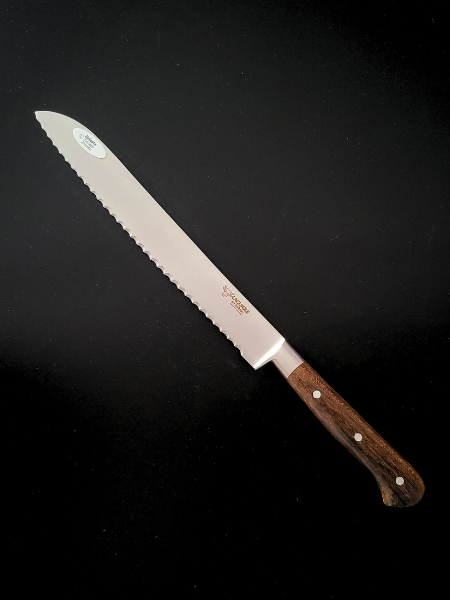
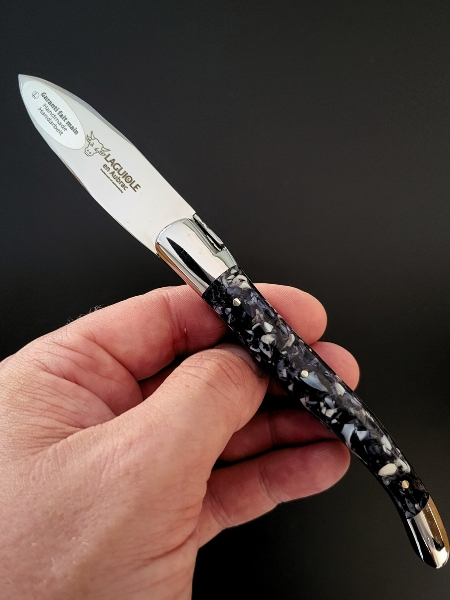
Explore our supplementary cutlery range, crafted to elevate your dining experience and provide you with an unmatched culinary journey. This sophisticated and stylish collection encompasses cheese knives, oyster knives, carving sets, and a myriad of other indispensable accessories for a meticulously arranged table.
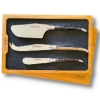
Individuals or in sets x3
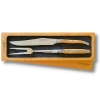
Various handle materials
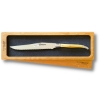
Various handle materials
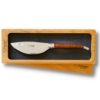
Various handle materials
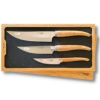
Individuals or in sets x3
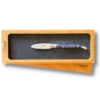
Recycled seashell handles
Various handle materials
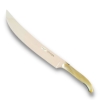
Various handle materials