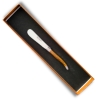
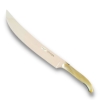
What are brass bolsters ?

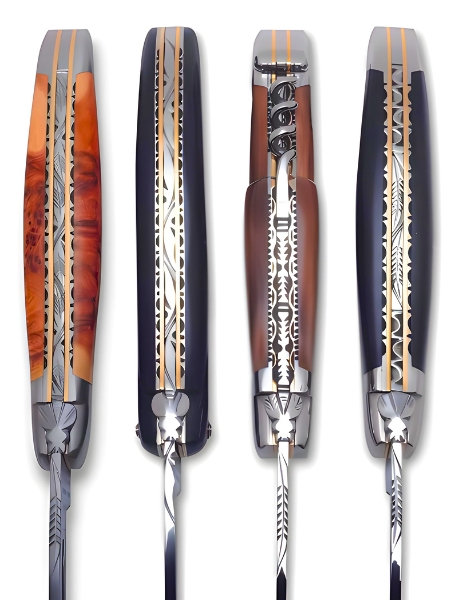
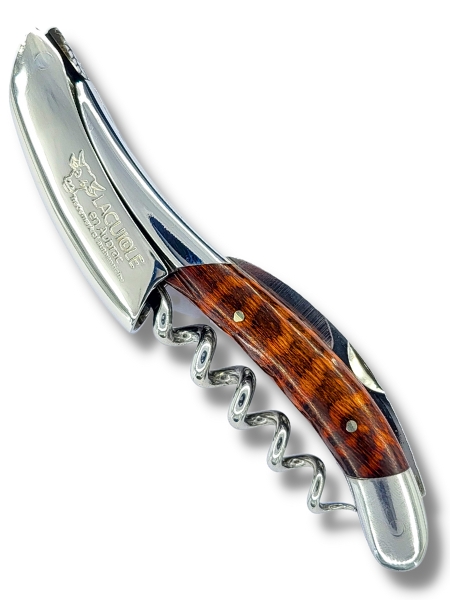
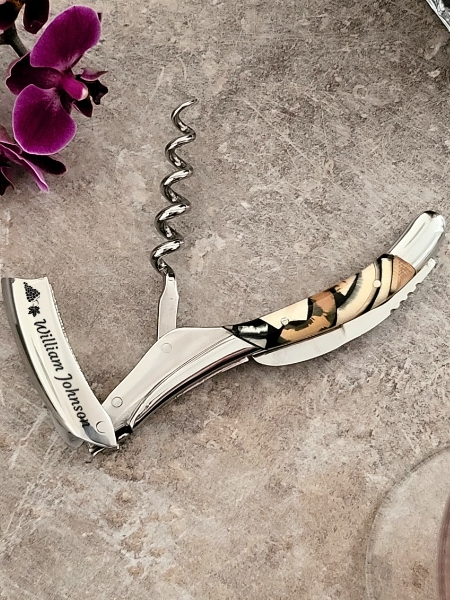
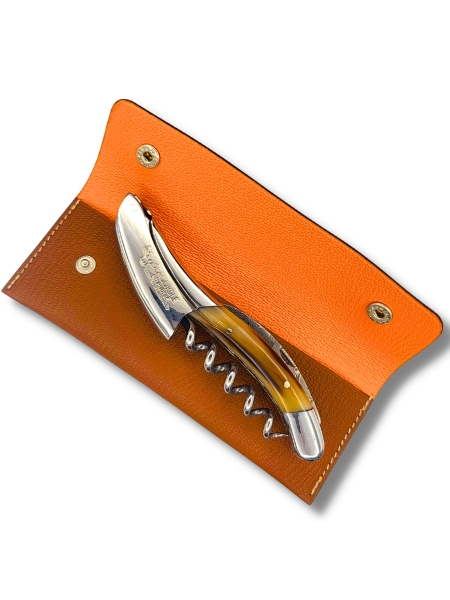
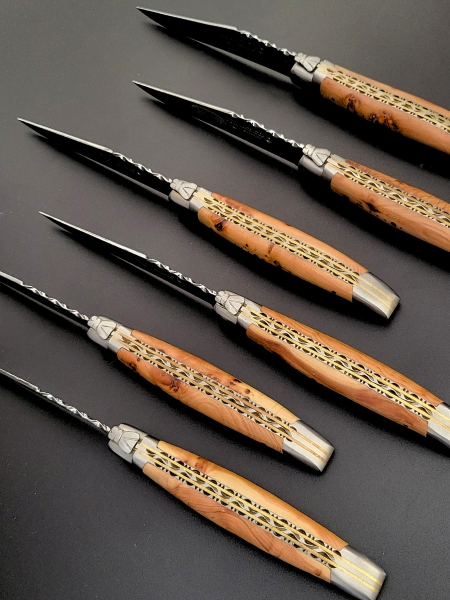
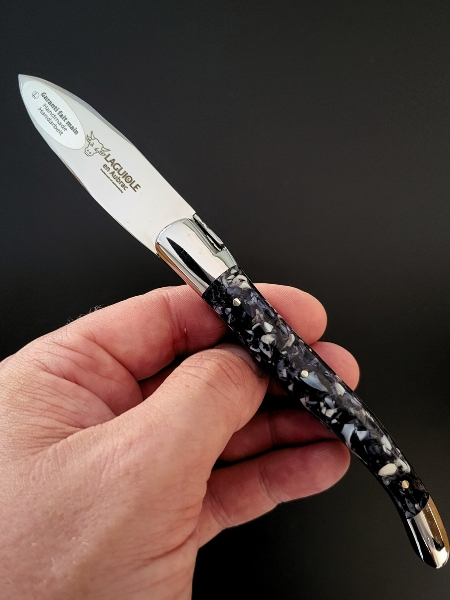
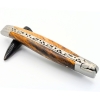
Bolsters are the metal caps at the head and tail of a pocket knife; on a brass-bolster pocket knife they do three jobs at once. First, they protect the ends of the scales from knocks in the pocket or on the table. Second, they anchor the design, giving visual structure to the long, elegant line that defines the Laguiole silhouette. And third, when made of brass, they subtly change the feel and balance of the knife.

Protection — brass is tough enough to take everyday contact so your scales stay crisp at the edges.

Framing — the warm tone sets off the central material and makes the whole knife read more “composed”.

Balance — a touch more mass at either end creates a steadier centre of gravity without making the frame bulky.

If you’re drawn to objects that settle into the hand rather than disappear, brass is a natural choice. It brings the quiet authority of something built to last.

The Best Features

Ready to browse the range? Visit the collection: Brass-Bolster Laguiole Pocket Knives.

✓ In stock. Delivery by Friday 30 October
Complimentary laser engraving available
✓ In stock. Delivery by Friday 30 October
Complimentary laser engraving available
✓ In stock. Delivery by Friday 30 October
Complimentary laser engraving available
✓ In stock. Delivery by Friday 30 October
Complimentary laser engraving available
✓ In stock. Delivery by Friday 30 October

Where brass fits in British life

  • City week — a refined companion for opening parcels, tidying tags and slicing fruit at your desk; the warm tone lifts an otherwise minimal setup.
  • Country weekend — farm-shop cheese, a picnic on the Downs, a quiet drink by the fire. Brass looks and feels right in those slower moments.
  • Gifting — for design-minded recipients, brass sends a clear message: considered, durable, genuinely personal. It ages into a story rather than out of fashion.
  • Collecting — if you already own a stainless-bolster Laguiole, a brass-bolster piece adds a different tone and hand-feel to the line-up. For contrast in the same pocket-able silhouette, see our Classic Single-Blade models.

Note (UK): always consult current guidance before carrying any knife in public. This guide helps you choose a product for home and leisure use; you are responsible for compliance in your context.


Authenticity & provenance — a quick checklist

  • Fit & finish — clean joins at bolsters, no gaps at the spring, no “daylight” when the blade is closed, and documentation confirming genuine Laguiole en Aubrac manufacture.
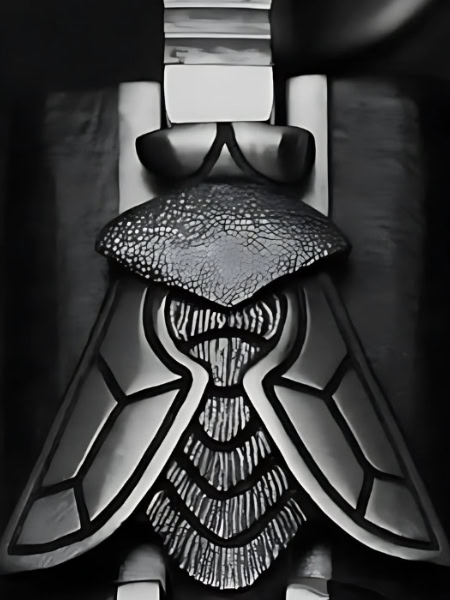
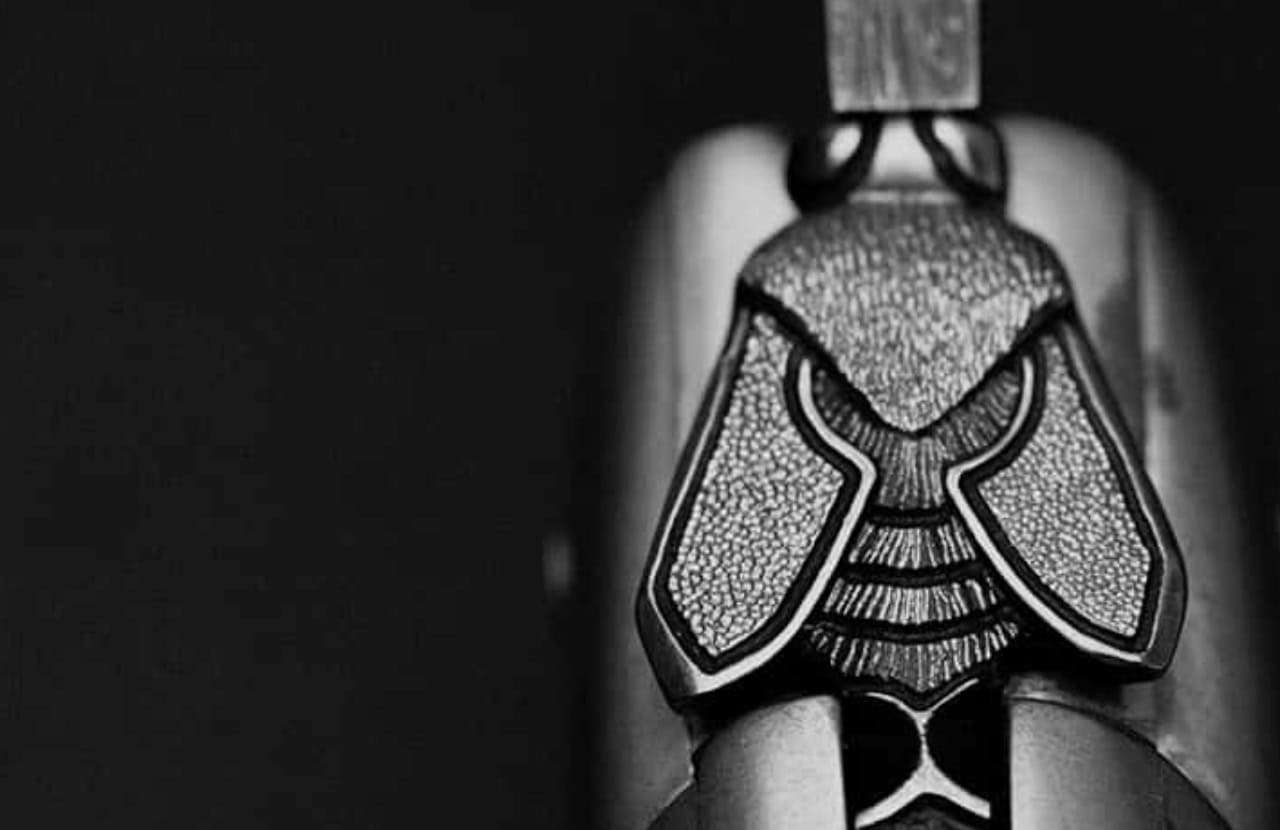
  • Signature details — forged or sculpted bee blended into the backspring; hand-filed guilloché on many references.
  • Consistent action — even resistance on opening, composed close; no grinding, no looseness.
  • Documentation — clear paperwork confirming French manufacture and aftercare guidance.

Specification: what to look for

Think in terms of feel, mood and context. A few clear choices will steer you to the right knife without over-thinking.

Bolster finish

  • Polished brass — brighter out of the box; mellows gracefully with a soft glow as it patinates.
  • Satin-brushed brass — a subtler sheen with very slightly better fingerprint tolerance; still warms over time.

Frame & spring

  • Classic frame — slim, pocket-friendly, tuned for calm mechanics in daily tasks — a refined everyday carry without bulk.
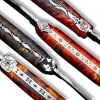
  • Decorative spring work — hand-filed guilloché adds discreet theatre for those who enjoy detail; keep it clean with a soft brush (see care below).
Blade steel

Quality stainless steel is the elegant default for daily UK use: stable, predictable and easy to maintain. Either way, look for steady opening resistance and tidy seating of the blade when closed.

Handle materials (overview)

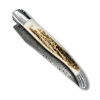
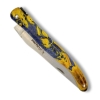
Brass flatters both natural hardwoods and horn. Woods read warm and convivial; horn reads silky and formal. Each piece is naturally unique; choose by the mood you want in hand and on the table.

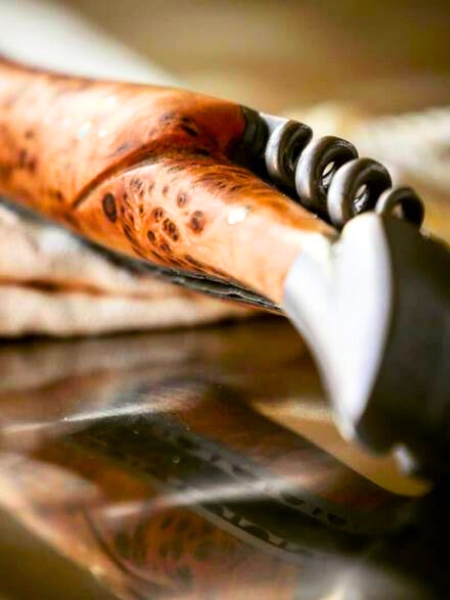
laguiole pocket knife red heart wood brass bolsters

    Common mistakes (and how to avoid them)

  • Chasing a constant mirror — aggressive polishing removes character and can round crisp edges. Accept a little patina; it belongs there.
  • Using household cleaners — avoid abrasive or ammonia-based products on or near the scales. Stick to microfibre and purpose-made, non-abrasive polish for brass only.
  • Oiling wood or horn — skip oils; they can migrate or discolour. Use clear, odourless beeswax instead.
  • Folding damp — dry the knife before stowing, especially after outdoor use. Moisture accelerates tarnish and can mark natural materials.

Buying checklist — five quick decisions

  1. Atmosphere: do you want warm heritage (brass) or crisp formality (stainless)? If you’re here, you likely want brass — confirm that’s the mood you’ll enjoy daily.
  2. Finish: polished for brightness that mellows; satin-brushed for a subtler sheen with good day-to-day tolerance.
  3. Mechanics: steady pull, composed close, no play at the joint. The feel should be calm, not dramatic.
  4. Blade: reliable stainless for everyday; consider Damascus if you want pattern and ceremony alongside brass.
  5. Handle mood: wood for convivial warmth; horn for silky, formal tactility. Pick the character you’ll enjoy in the long run.

Heritage detailing to look for (and why it matters)

Part of the pleasure in a genuine Laguiole is noticing details that most makers skip. These aren’t mere decorations; they indicate time and care invested in the build.

  • Forged or sculpted bee — the signature at the head of the knife, often blended cleanly into the backspring.
  • Guilloché spring — hand-filed patterns on the backspring; a small theatre of craft you feel under the thumb.
  • Shepherd’s cross — a discreet constellation of pins in the scale, a historical nod that collectors enjoy.
  • Flush pins & transitions — surfaces that meet with no steps; your fingers can’t tell where metal ends and scale begins.

Blade care & aftercare (UK conditions)

  • Wipe & dry after use—especially after cutting citrus or cheese. Avoid dishwashers and soaking.
  • Keep the action clean with a soft cloth; a fine brush along the backspring preserves decorative file-work.
  • Edge maintenance is simple: light honing keeps performance steady; periodic sharpening restores bite.
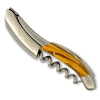
  • Spiral care: if a trace of cork remains on the spiral, wipe before folding; store closed and dry to protect liners and scales.
  • Storage: use a pouch or presentation box so polished surfaces remain pristine between uses.

Choose warmth, choose presence

A brass-bolster Laguiole isn’t louder than stainless — it’s simply warmer. It frames the design, steadies the hand and records your years of use in a soft golden tone. When you are ready, explore the current selection and choose the piece that fits your wardrobe, your table and your weekends.

Shop Brass-Bolster Laguiole Pocket Knives

FAQ - About Brass Bolster Laguiole Pocket Knives

No — the profile remains slim. You’ll notice presence rather than bulk. Most owners find the added steadiness makes fine cuts feel more predictable without weighing the pocket down.

Brass develops a soft patina with normal use. Wipe with microfibre to keep the glow; if you prefer a brighter look, a small amount of non-abrasive brass polish on the metal only restores shine. Many owners simply let the colour deepen naturally.

Yes — if you like a warmer, heritage look and a slightly steadier feel in hand, brass is a wonderful starting point. If you prefer a crisper, more minimalist mood, stainless bolsters may be your first step, with brass as your second knife.