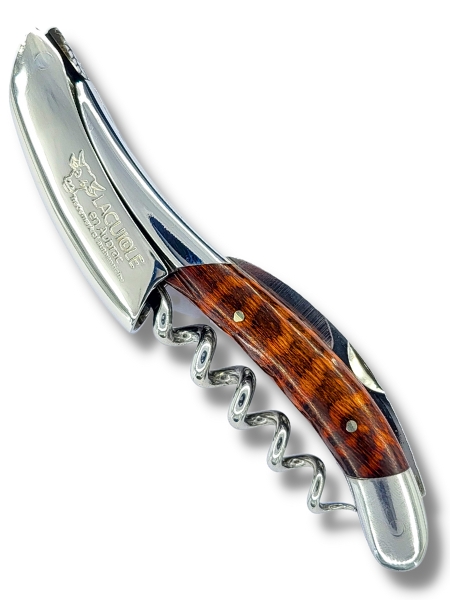
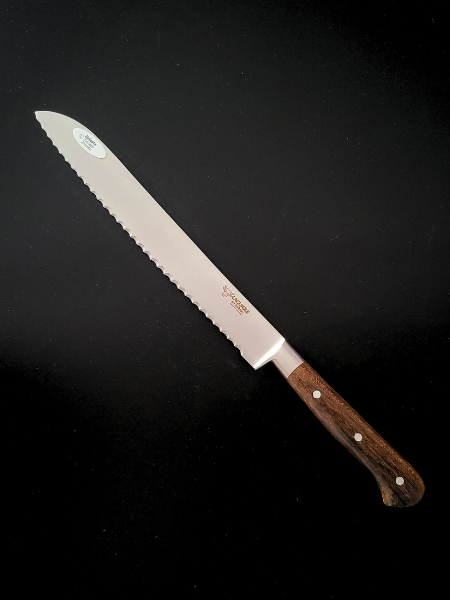
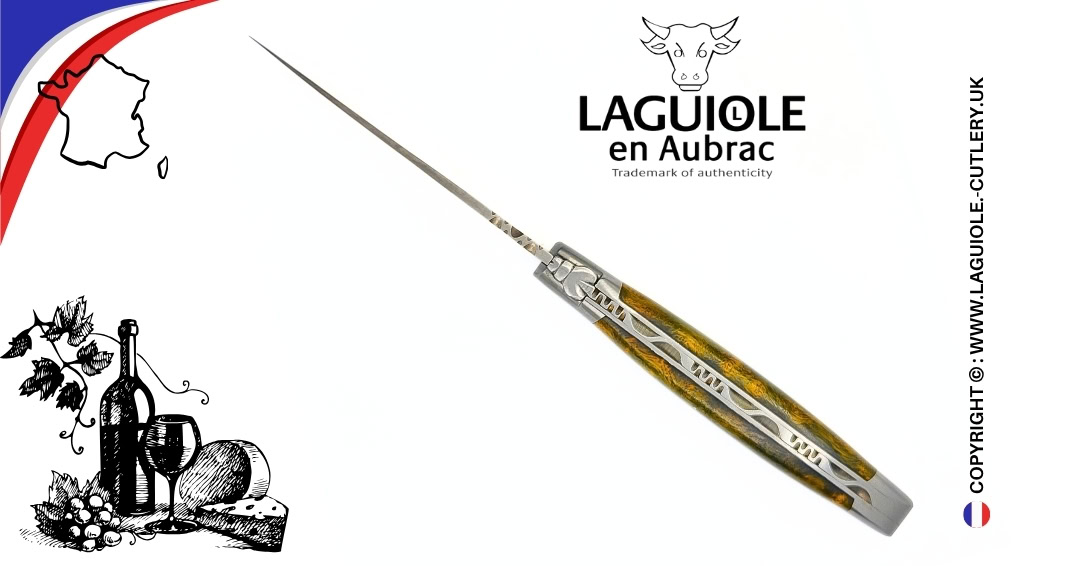
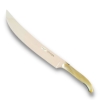
Laguiole Bread Knife Ziricote wood
Laguiole Knives
› Free laser engraving
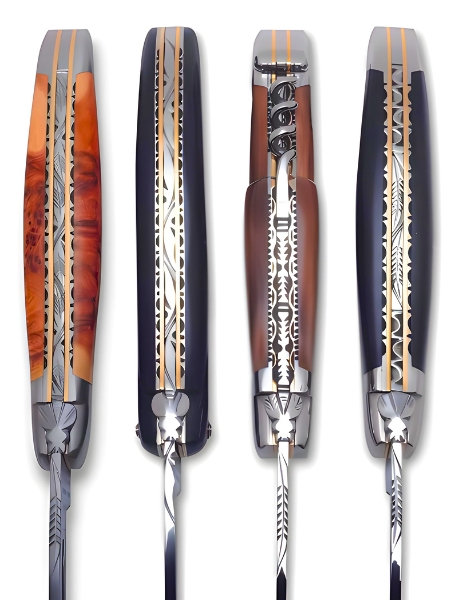
All Laguiole pocket knives
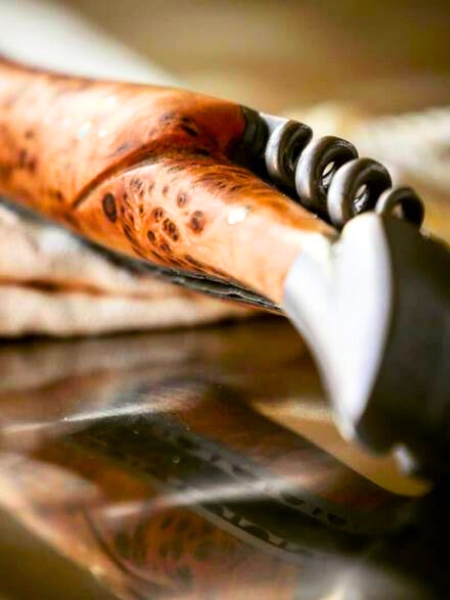
Laguiole knives with corkscrew
Quiet luxury is a feeling in the hand. A classic single-blade Laguiole opens with measured confidence, settles into the palm and disappears into a jacket pocket when the moment is over. This guide explains how to choose the right one for UK life — what the movement should feel like, which details matter, and how to select a knife that you will carry and enjoy for years.
Ready to shop? See the collection here: Laguiole classic single blade.
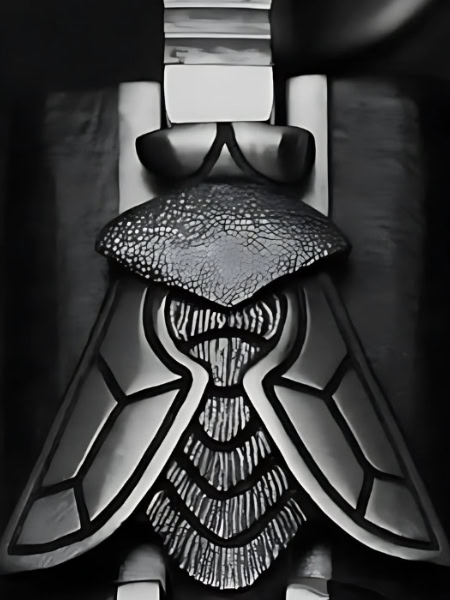
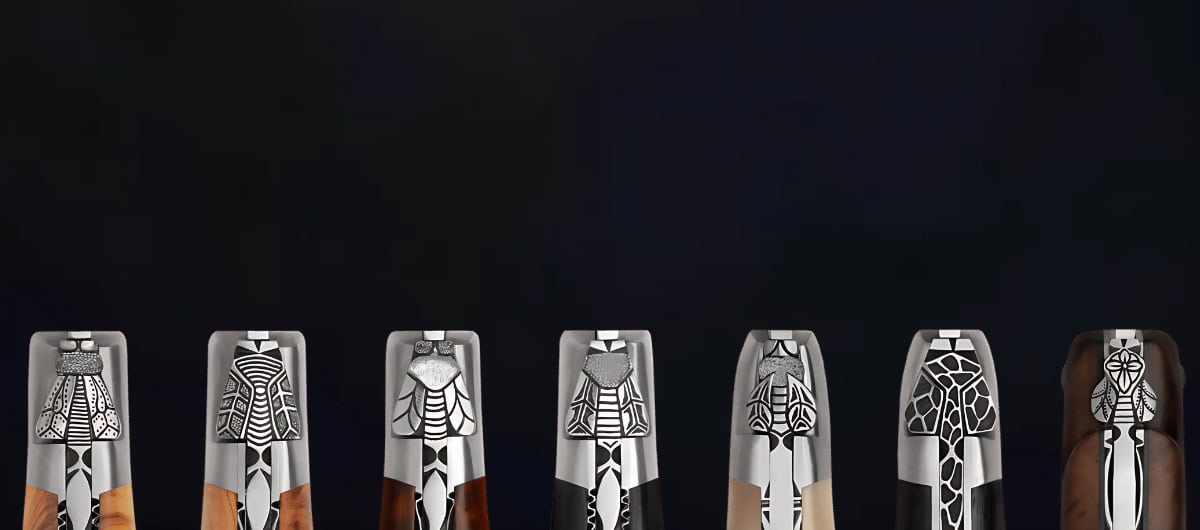
In the Laguiole world, the single-blade format is the purest expression of the design. No secondary tools, no bulk: one keen blade in a slim frame with the signature bee at the head and a long, elegant silhouette. The emphasis is on balance and control rather than maximal features — a refined folding pocket knife that feels composed in hand and pocket alike.
A Laguiole lives or dies by its walk and talk — the way the blade opens, pauses and closes. On a well-made classic you should feel a steady pull at the nail nick, even resistance through the arc, and a tidy seat with no daylight at the joint. Some models include a gentle half-stop for control; others move in one composed motion. The backspring provides authority rather than drama — you do the work, the spring simply supports it.
Balance matters as much as sharpness. A centred, low-in-the-palm weight gives you precision for thin slices and small tasks without fatigue. If the knife feels front-heavy or flighty, you will notice it quickly; a good Laguiole instead feels predictable — the edge goes where you expect it to go.
Classic single-blade models are typically built with high-quality stainless steel chosen for calm, reliable everyday use. The geometry is set for a fine, steady bevel that cuts cleanly without feeling delicate. Maintenance is straightforward: wipe, dry, and touch up the edge when needed. If you are tempted by patterned blades and ceremony, Damascus steel brings a different presence — but for pocket carry and versatility, stainless is the understated choice.
On classic models you will most often see polished stainless bolsters — crisp, graphic and timeless. Some references pair the frame with brass bolsters for a warmer, heritage mood. The choice is aesthetic first, tactile second:
Both options preserve the elegant Laguiole proportions and pocketable weight; choose the atmosphere you prefer on the table and in the hand.


Part of the pleasure in a genuine Laguiole is noticing details that most makers skip. These aren’t mere decorations; they indicate time and care invested in the build.
Laguiole knives are designed to be elegant rather than bulky. Think about context and wardrobe first:
Note (UK): always consult official guidance before carrying any knife in public. This guide focuses on choosing a product for home and leisure use; you are responsible for compliance with current regulations.
Balance matters as much as sharpness. A centred, low-in-the-palm weight gives you precision for thin slices and small tasks without fatigue. If the knife feels front-heavy or flighty, you will notice it quickly; a good Laguiole instead feels predictable — the edge goes where you expect it to go.
At table. Slice fruit and charcuterie cleanly, share cheese at a picnic or lay a neat edge on a loaf’s crust before the bread knife takes over. The steady geometry keeps plating tidy.
On the move. Parcels, tags, twine, snack prep — a fine, predictable edge reduces fuss. The slim silhouette sits comfortably alongside keys and a wallet without bulking out a pocket.
Gifting & keepsakes. A pocket knife is one of the rare personal objects people carry for years and remember who gave it to them. A single-blade suits different hands and wardrobes; it ages into the owner’s story rather than out of fashion.
If you love the single-blade format but want to fine-tune the personality, consider adjacent families:
A classic single-blade rewards modest habits:
We filter for genuine French manufacture, consistent finishing and considered specifications so you can focus on choosing the piece that fits your life. When you’re ready, explore the current selection:
Yes. The geometry and mechanics are tuned for small, frequent tasks. You carry less bulk, gain more control and keep a refined silhouette in pocket or bag.
Stainless is the elegant default for everyday reliability and easy care. Damascus adds pattern and a different tactile feel — still practical, simply more ceremonial in look and mood.
Look for consistent finishing, the signature bee blended cleanly into the spring, hand-filed guilloché on many references and clear documentation of origin from a specialist maker. Here it’s Laguiole en Aubarc!
Yes, depending on the reference. Stainless reads crisp and formal; brass reads warmer and develops a soft glow with age. Both keep the proportions balanced.
Choose a classic single-blade with calm mechanics and a look that suits the recipient’s wardrobe. Add a presentation box for the full gesture; the story writes itself with use.

• Crafted in France, in the historic area of origin.
• Engraving and dispatch completed on the day of ordering.
• Deliveries to France, the European Union, and worldwide.
• Delivery within 48 hours in the UK. 4 days to the USA with DHL Express.
• Supplied with: certificate of authenticity, 14-page manual of genuine Laguiole knives, protective case.
COMPLIMENTARY LASER ENGRAVING
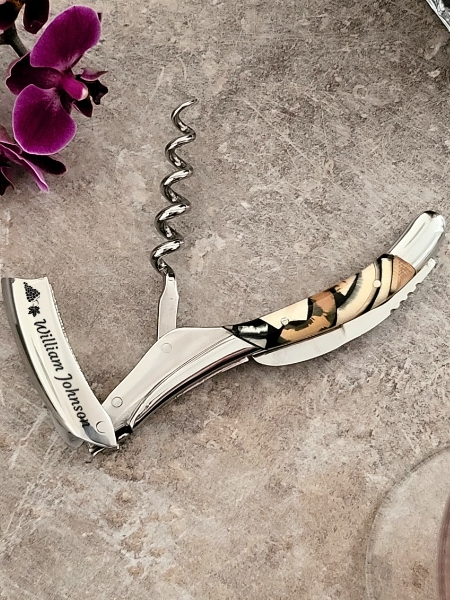
Laser engraving on the blade is an innovative technique that merges art and technology to elevate and customize a knife. Select from 6 fonts and 12 symbols.
Laguiole POCKET KNIVES
Explore our range of Laguiole en Aubrac folding knives, a hallmark of French artisanal cutlery. These premium pocket knives, blending elegance and functionality, embody the essence of traditional craftsmanship and unparalleled expertise in knife making.
All Laguiole Folding Knives
When Craftsmanship Becomes Art
Laguiole Damascus steel blades captivate with hypnotic wave patterns
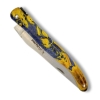
Explore the pinnacle of Laguiole artistry with our Limited & Unique Editions
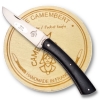
French Gastronomy Meets Fine Cutlery.
LAGUIOLE CORKSCREWS
Explore our collection of Laguiole en Aubrac sommelier corkscrews, indispensable tools for wine enthusiasts and oenology experts. Each corkscrew is meticulously crafted to the exacting standards of the renowned Laguiole en Aubrac knives.
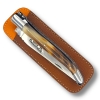
Sheaths, Box & Belt Pouches
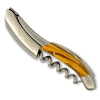
Marquetry - Wood - Horn or Bone
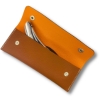
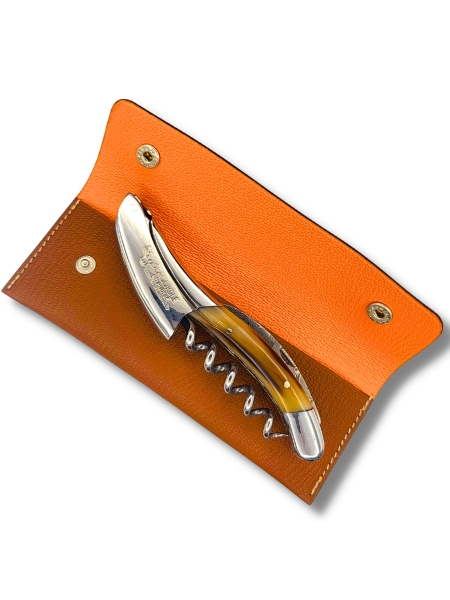
Leather Sheaths
COMPLIMENTARY LASER ENGRAVING
Opting for a personalised Laguiole en Aubrac sommelier corkscrew means injecting a dash of originality into an object already renowned for its quality and aesthetics!

LAGUIOLE CUTLERY SETS
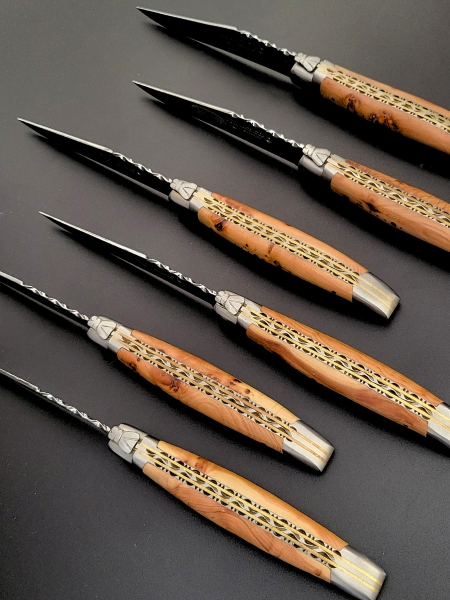
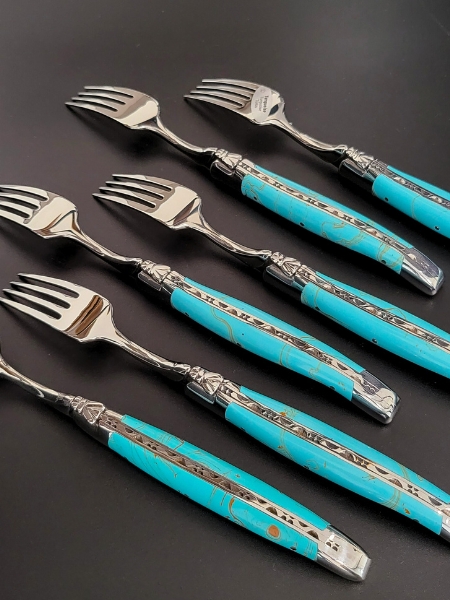
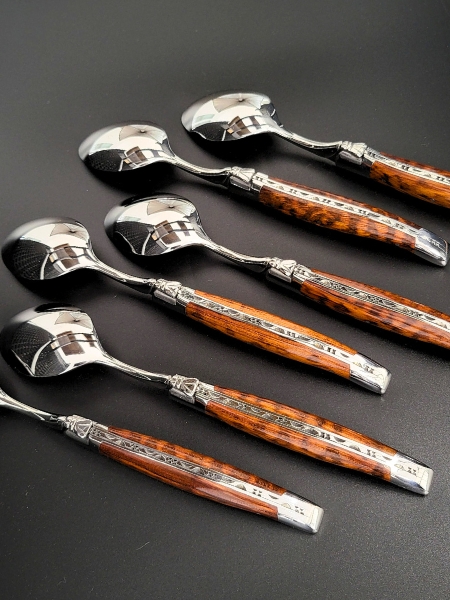
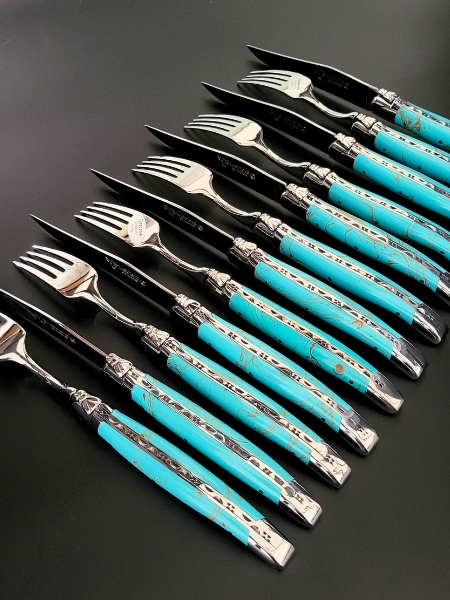
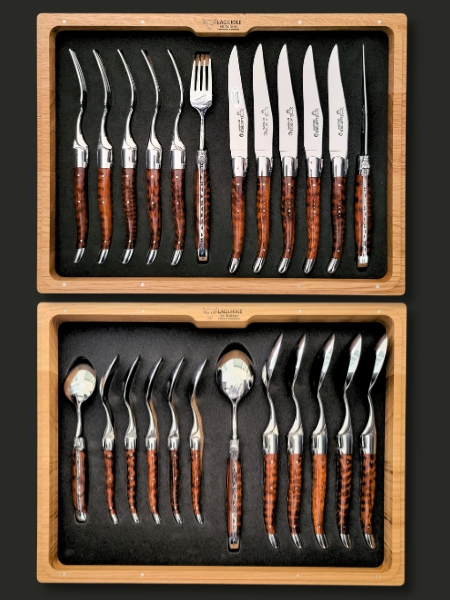
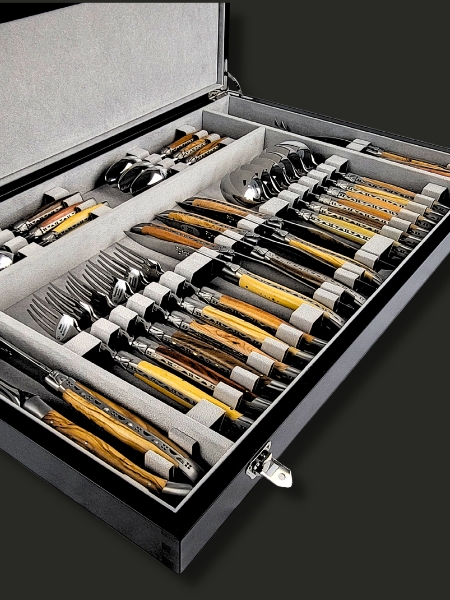
Explore our curated selection of Laguiole en Aubrac cutlery sets, ranging from classic to contemporary styles, featuring an array of vibrant and unique handle materials. Available in sets of 2, 4, or 6, with optional forks, as well as soup and dessert spoons.
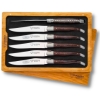
Various handle materials
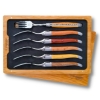
Various handle materials
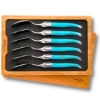
Various handle materials
Various handle materials
Various handle materials
Various handle materials
Various handle materials
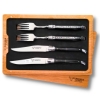
Various handle materials
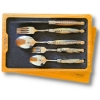
Various handle materials
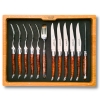
Various handle materials
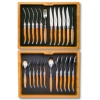
Various handle materials
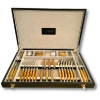
Various handle materials
Additional Knives and Sets
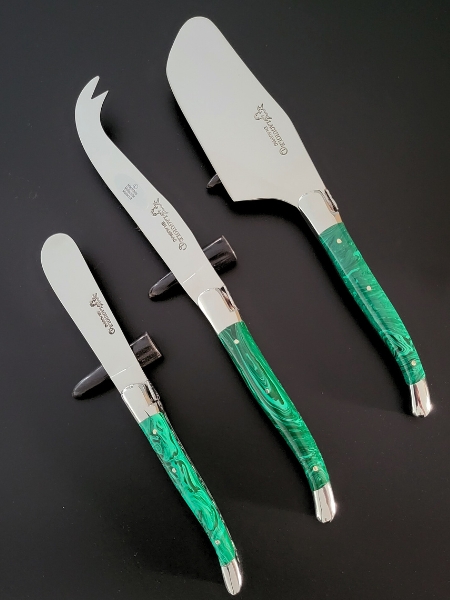
Explore our supplementary cutlery range, crafted to elevate your dining experience and provide you with an unmatched culinary journey. This sophisticated and stylish collection encompasses cheese knives, oyster knives, carving sets, and a myriad of other indispensable accessories for a meticulously arranged table.
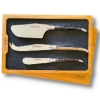
Individuals or in sets x3
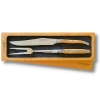
Various handle materials
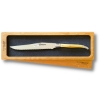
Various handle materials
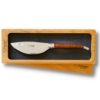
Various handle materials
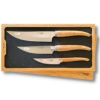
Individuals or in sets x3
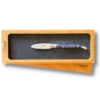
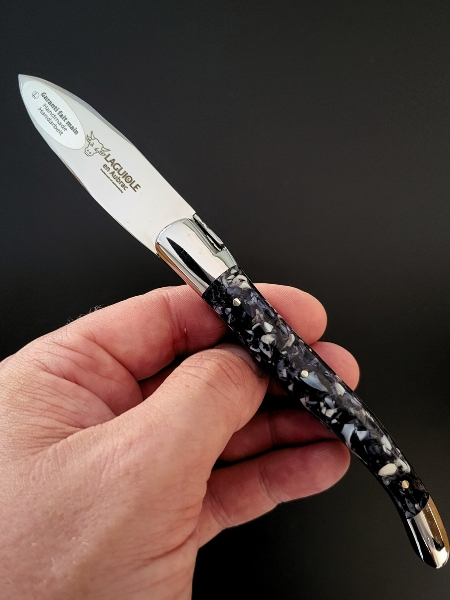
Recycled seashell handles
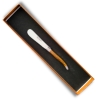
Various handle materials
Various handle materials