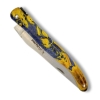
What “double-plates” (dual-liner) means — and why it matters
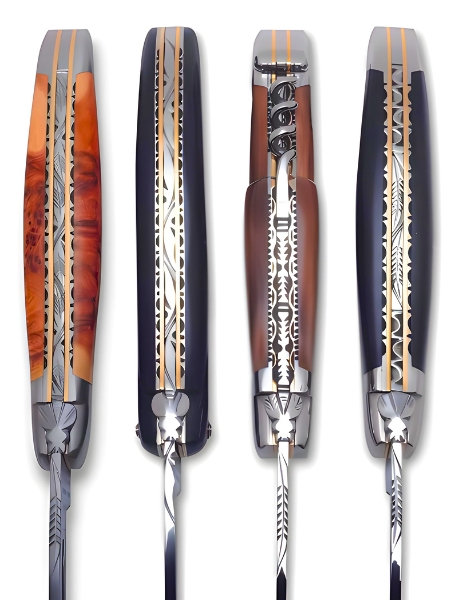
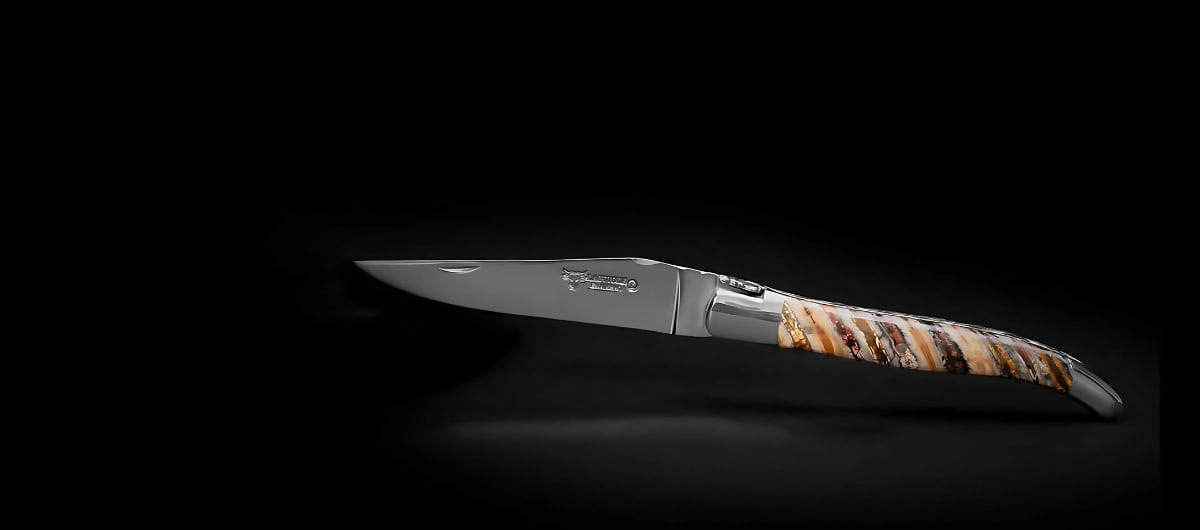
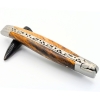
On a traditional folding knife, the handle scales sit on thin metal sheets called liners. They give the frame its shape, guide the blade and help the backspring do its job. A double-plates Laguiole simply uses two liners to reinforce the structure. The result is a subtly thicker spine and a frame that resists torsion and flex more than a single-liner build, while keeping the long, elegant Laguiole silhouette.
Stability — the dual-liner frame feels planted when you bear down for a precise cut; lateral play is minimised.
Presence — a touch more mass across the frame; you notice steadiness rather than weight.
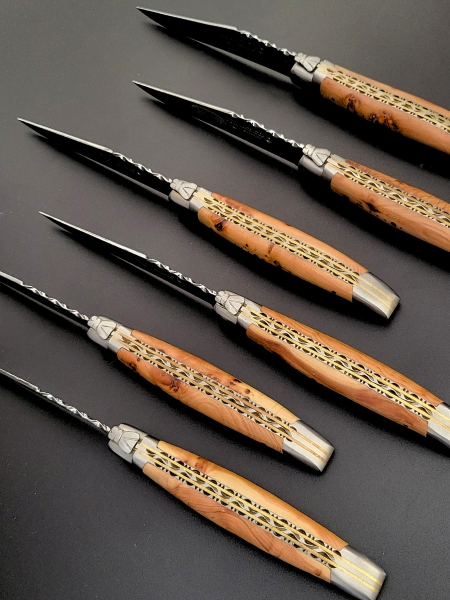
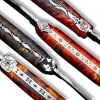
Decoration — the extra liner surface invites guilloché (hand-filed patterns) along the spring and liners; detail you can feel under the thumb.
Think of dual-liner construction as architecture for the hand: the line remains slim, the behaviour gets calmer, and the spine becomes quietly expressive.
The Best Features
Ready to browse? See the collection: Double-Plates Laguiole Pocket Knives.
Anatomy in brief — the parts that set the feel
- Blade — tuned for a fine, predictable cut on fruit, cheese, card and cord; stainless steel is the elegant everyday default.
- Backspring — provides the “walk and talk”: even resistance on opening, composed snap on closing.
- Liners (dual) — the twin sheets that stiffen the frame and guide the action; the reason a double-plates feels more certain in the hand.
- Bolsters — stainless for crisp modernity, or brass for a warmer heritage mood; both frame the silhouette and protect the scales.
- Scales — natural hardwoods or horn; the part your fingers read first, the character you carry every day.
When these elements meet cleanly — no steps at transitions, no daylight at the joint — you feel it in seconds. That composure is what you’re buying.
Mechanics & feel — what dual liners actually change
A good Laguiole should open with even resistance and close with a tidy, confident snap. Dual liners don’t alter that choreography; they change the confidence of each movement. With the centre of gravity a touch lower in the palm, thin slices and small, careful cuts feel more predictable. The closing note is often a shade deeper; the knife reads planted rather than feather-light.
- Blade guidance — the spine tracks true; under load you feel less flex.
- Pocket presence — still blazer-friendly; steadiness without bulk.
- Control — a composed action that encourages accuracy over force, which keeps edges keen for longer.
Importantly, a well-built dual-liner will not introduce hotspots. Run fingers across the liner-to-scale transitions and bolsters: your skin should not detect steps or gaps.
Who it suits — everyday UK scenarios
- Workdays — opening parcels, trimming tags, slicing fruit. The stiffer frame gives predictable cuts and a calmer, tidier close.
- Weekends — farm-shop cheese on the Downs, a riverside picnic, a cottage supper: the knife looks quietly right next to glass and linen.
- Gifting — a deliberate, heirloom-grade choice for design-minded recipients; the decorated spine and liners make the story visible.
- Collecting — if you own a classic single-liner, a dual-liner adds tactile contrast and visual theatre along the spine.
Note (UK): always consult current guidance before carrying any knife in public. This guide helps you choose a product for home and leisure; you are responsible for compliance in your context.
Specification — choosing without over-thinking
Decide by feel, mood and context. A few clear choices will take you straight to the right knife.
Frame & liners
- Classic double-plates (dual-liner) — slim yet steadier in the palm; the daily sweet spot.
- Decorated liners & spine — hand-filed guilloché on backspring and liners for owners who enjoy discreet theatre; keep the channels clean for crisp contrast.
Bolsters
- Polished stainless — crisp, graphic, sartorial; photographs beautifully under cool light.
Blade
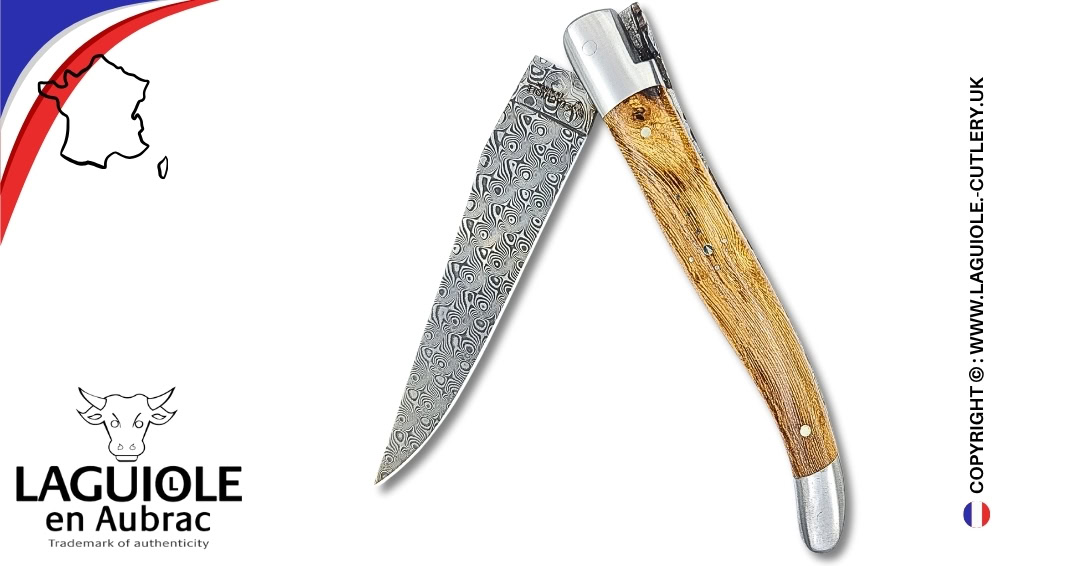
Quality stainless steel is the refined default for UK daily use: reliable, easy to maintain, tuned for a fine, predictable edge. If you enjoy ceremony and pattern, pair a dual-liner frame with a Damascus blade; the layered grain sits beautifully above decorated liners.
Handles (overview)
Dual-liner knives flatter both natural hardwoods and horn. Woods read convivial and warm, horn feels silky and formal. Every piece is naturally unique in tone and figure; choose by the mood you want in hand and on the table.
Size & carry
If you carry in a blazer, pick the slimmest dual-liner reference. If you prefer a touch more presence in a country jacket or rucksack, opt for a model with slightly more substance or brass bolsters. The pocket should read steady, never heavy.
Common mistakes (and how to avoid them)
- Equating weight with bulk — dual-liner adds presence, not pocket drag. If a knife feels bulky, the proportions are off; choose a slimmer reference.
- Over-polishing — aggressive polishing can soften crisp edges and blur file-work. Accept a little patina; it belongs there.
- Using oils on natural scales — oils can migrate or mark; keep surfaces clean and dry instead.
- Neglecting the spine — file-work gathers dust; a gentle brush keeps details sharp and satisfying to the touch.
Aesthetics — how the details add up
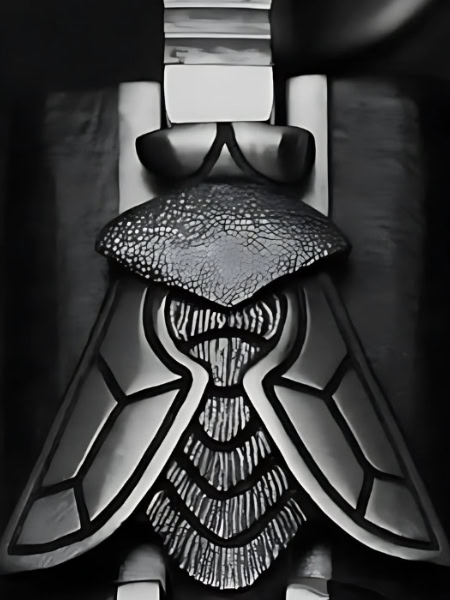
Double-plates does not mean “ornate”. It means you have room for details that reward attention: a sculpted or forged bee blended into the spring; crisp transitions at the bolsters; file-work you feel under the thumb as you open and close the blade. Even when you choose a minimal look, the twin liners subtly thicken the line at the spine, changing how the knife reads under warm light or on a clean table setting.
For a cooler, modern mood, keep the spine plain with polished stainless bolsters and a calm wood grain. For a heritage note, add brass bolsters and subtle guilloché — the frame will still read refined, not busy.
Authenticity & provenance — a quick UK checklist
- Fit & finish — clean joins at bolsters; tidy seating of the blade with no “daylight”; no gaps at spring and liners.
- Signature details — forged/sculpted bee blended into the backspring; hand-filed guilloché on many references.
- Consistent action — even resistance on opening, composed close; no grinding, no looseness.
- Documentation — clear paperwork of French manufacture and aftercare guidance.
- UK support — curated selection, tracked delivery and straightforward returns so you can choose with confidence.
Care & aftercare — simple routines that work
These knives are designed to age gracefully with modest, regular care. Keep the routine simple and consistent:
- Wipe & dry after use. Avoid dishwashers and soaking; excess moisture can dull metal surfaces and stress natural materials.
- Metal surfaces — buff fingerprints with a clean microfibre cloth. If you like a brighter brass look, use a non-abrasive polish sparingly on the metal only; mask the scales and keep polish away from any guilloché.
- Natural scales — avoid oils and household cleaners. Keep dry and clean with a soft cloth; store away from heat and humidity.
- Decorated liners & spring — a soft brush keeps channels crisp; a dry cloth preserves the shine.
- Storage — pouch, drawer insert or presentation box; keep dry and clean so polished surfaces remain pristine.
Buying checklist — five quick decisions
- Presence — want more frame in the hand than a classic single-liner? If yes, dual-liner is your answer.
- Bolsters — polished stainless for crisp modernity; brass for warm heritage and soft patina.
- Decoration — minimal spine for a clean read, or hand-filed liners for discreet theatre.
- Blade — reliable stainless for daily use; consider Damascus if you enjoy pattern and ceremony.
- Handle mood — wood for convivial warmth; horn for silky, formal tactility. Pick what suits your wardrobe and table.
Comparing dual-liner vs single-liner — quick clarity
| Aspect | Dual-liner (Double-Plates) | Single-liner (Classic) |
|---|---|---|
| Stability under load | Higher torsion resistance; planted feel | Lighter, slightly more flex |
| Pocket presence | Steady, composed; still blazer-friendly | Feather-light; minimal presence |
| Spine aesthetics | More surface for guilloché/decoration | Cleaner, minimal line by default |
| Collector appeal | Strong (detail lovers) | Strong (purists) |
| Best for | Owners who enjoy substance and detail | Owners who want the purest, lightest feel |
Both are “right” — choose the behaviour you’ll enjoy every day.
More presence, same elegance
A double-plates (dual-liner) Laguiole keeps the long, graceful line that defines the icon, yet adds steadiness, subtle weight and a stage for hand-worked detail. When you’re ready, explore the current selection and choose the piece that fits your wardrobe, your table and your weekends.
FAQ - About Brass Bolster Laguiole Pocket Knives
No. The profile remains slim; you notice steadiness rather than mass. Most owners find the extra stability improves control for fine cuts without adding pocket bulk.
Both share the elegant silhouette and calm mechanics. Dual-liner adds a second liner for a stiffer frame, a slightly deeper closing note and more scope for decorated spine and liners.
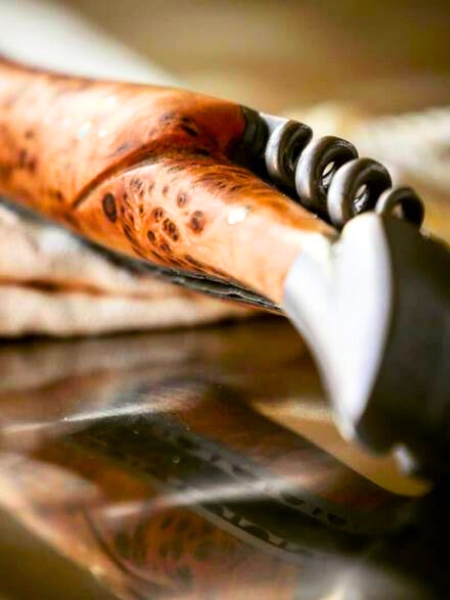
Most dual-liner knives are single-blade formats. Where a corkscrew is present, expect a touch more presence in hand; the frame should still feel balanced if the integration is well executed.
Avoid oils and household cleaners. Wipe and dry after use, keep surfaces clean with a soft cloth, and store the knife in a pouch or presentation box between uses, away from heat and humidity.

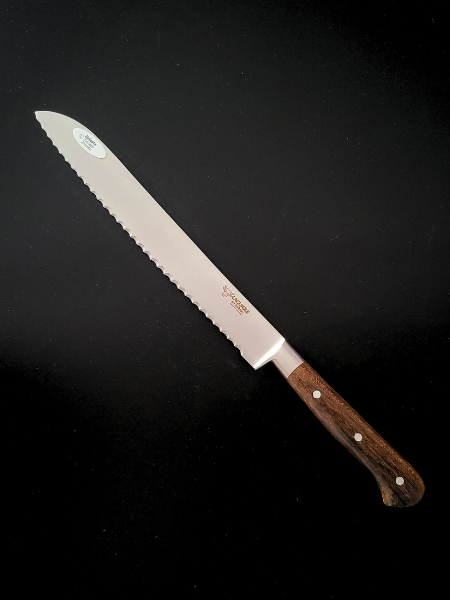
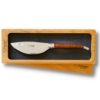
Laguiole Bread Knife Ziricote wood
Laguiole Pizza Knife Juniper Wood
Laguiole Champagne Sabre Zebu Horn Tip
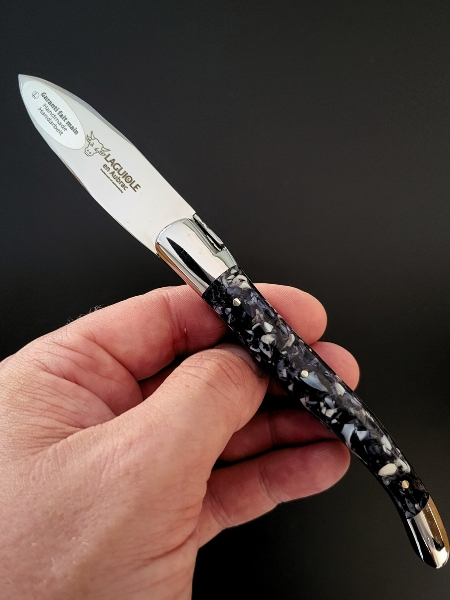
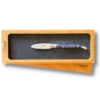
Laguiole Oyster Knife with Scallop Shells Handle
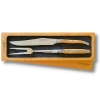
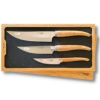
Laguiole 2-Piece Carving Set with Olive Wood Handles
Laguiole Cheese Knife Wenge wood
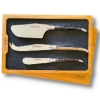
Laguiole Cheese Knives Set of 3 - Olivewood
Laguiole Oyster Knife with Oyster Shells handle