Laguiole Oyster Knives — Introduction for UK Seafood Tables
There’s a quiet thrill to the first clean pop of an oyster: a firm twist, a gentle sigh, the briny perfume that says the platter is ready. With a genuine Laguiole oyster knife, handmade in France by Laguiole en Aubrac, that moment feels composed and safe. You’re working with a short, rigid blade that targets the hinge precisely, a pointed tip that finds the seam without slipping, and a handle whose poise becomes part of the story. At British tables—winter feasts, summer lunches, Champagne toasts—the right tool protects liquor, keeps meat plump and turns “opening” into hospitality. This guide sets out what matters for UK hosts: how blade geometry really behaves at the hinge, why leverage beats sharpness for oysters, which handles suit your room and your ritual, and how to open calmly using a method that prioritises control over force. We also explain why our selection is instantly recognisable on an ice tray: recycled seashell handles encapsulated in clear resin, luminous from every angle and easy to live with. Finally, we cover inspection and buying tips—authenticity, fit and finish, presentation boxes—and simple care that preserves polish without fuss. The aim is confidence: a neat pop, minimal grit, and a service that looks as refined as it tastes.
The Best Features
← Back to the Oyster Knives collection
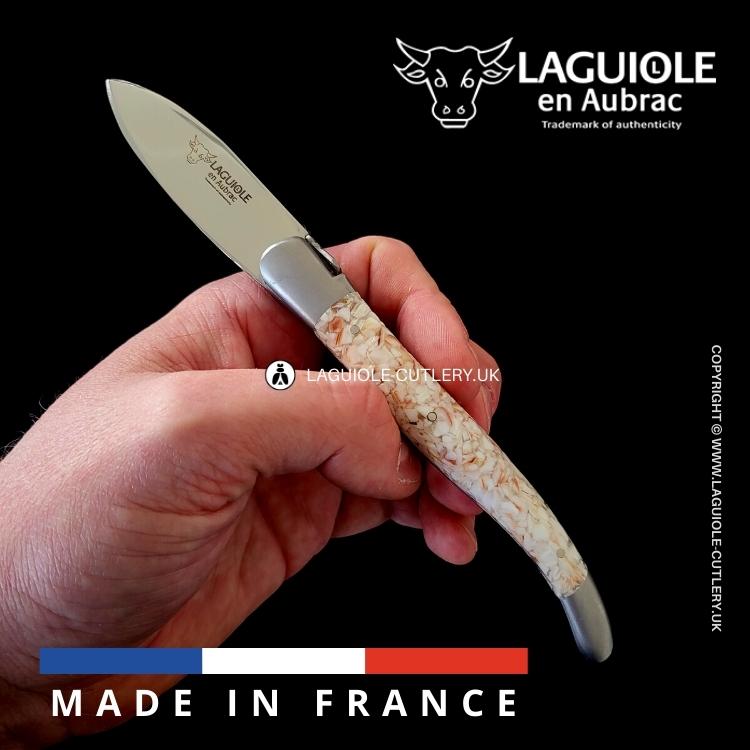
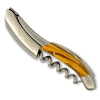
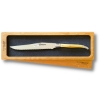
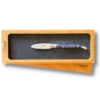
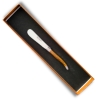
The definitive shucking tool: authentic Laguiole oyster knives with a short, rigid hinge blade and recycled seashell handles in clear resin — handcrafted in France by Laguiole en Aubrac.
Ready to browse the range? Visit the collection: → Shop Laguiole Oyster Knives
Blade & Geometry — Short, Rigid, Built for the Hinge
An oyster knife is not a mini chef’s knife. The engineering is different because the job is different: you’re separating structure, not slicing food. A short, rigid blade gives direct leverage so energy travels into the hinge instead of flexing in your hand. The pointed tip is narrow enough to enter the seam yet stout enough to resist twisting forces; once seated, a small rotation pops the joint cleanly. Along the spine you want a smooth surface for the thumb so pressure feels confident rather than aggressive; a subtle guard or polished bolster prevents the hand migrating forward when the hinge releases. Thickness matters too: a blade that’s stout at the base but keen at the tip helps you “feel” the hinge as it seats, then transmit torque in a controlled way. On cupped shells, working with the cup down preserves liquor and steadies the rotation. A good profile is compact so it manoeuvres under the adductor without tearing the mantle, and balanced so the knife rests naturally when you pause to check for fragments. The payoff is immediate: less shattered shell, less grit, fewer slips—and oysters that arrive at the plate looking as pristine as they tasted at the shore.
How to Choose for UK Use — Frequency, Setting & Safety
Start with how you serve. If oysters appear often at home, prioritise a knife with a neutral balance and a generous thumb rest so repetition feels easy; pair it with a folded towel or cut-resistant glove to make setup automatic. Hosting guests? A model with a refined bolster and a presentable case looks at home beside Champagne flutes and seaweed garnish. For outdoor lunches or seaside cottages, favour durability and grip you trust with damp hands—clear resin over recycled shells feels smooth yet secure when dry, and wipes clean between dozens. Think about shell types too: rock oysters with tighter hinges reward a slightly pointier tip; larger natives benefit from a blade that feels stout under torque so the pop is predictable. If you plan to open at the table, choose a silhouette that sits flat when you pause—guests read calm from your hands before they taste it. Above all, design your safety routine first: work over a tray to catch liquor, keep the supporting hand behind the blade path, and twist to pop rather than prying upward. When the workflow is relaxed, the ritual feels like quiet theatre, not a stunt.
Handles & Aesthetics — Recycled Shells in Clear Resin
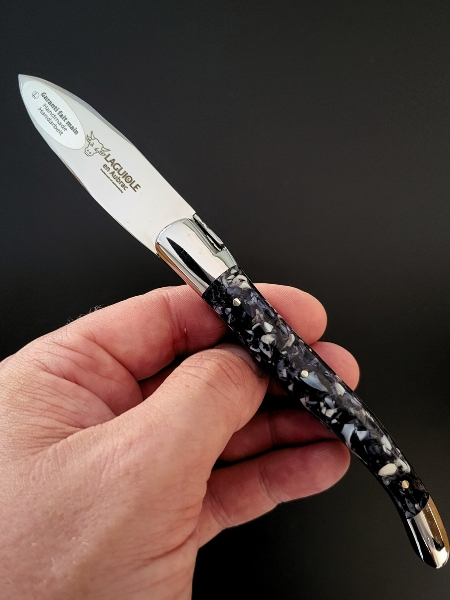
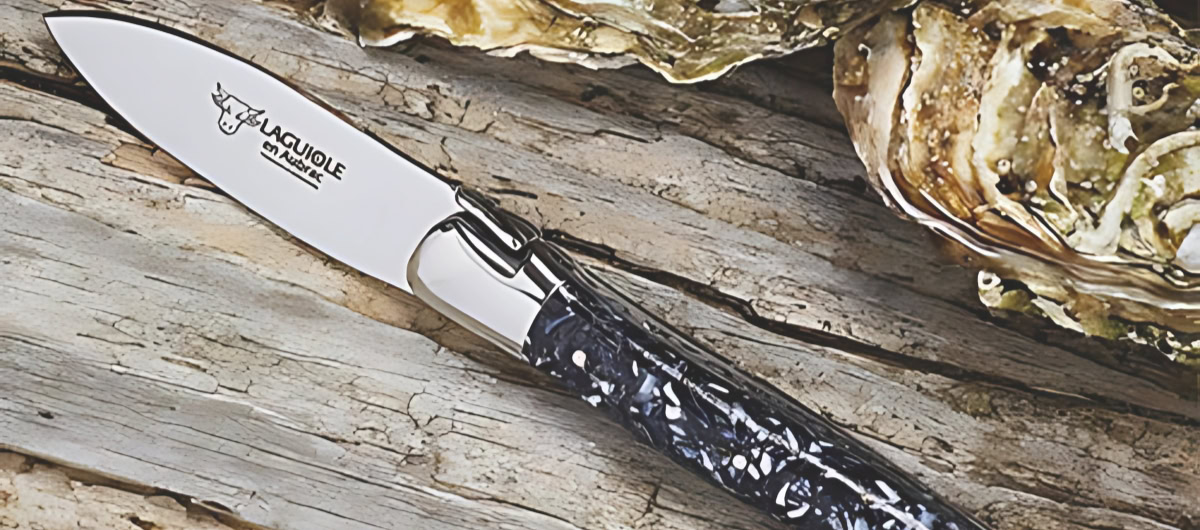
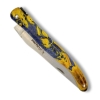
Our UK selection is instantly recognisable: recycled seashell fragments—mussel, oyster or scallop—encapsulated in clear resin. The result is luminous and durable: a mosaic of coast and tide suspended beneath a glossy surface that cleans in seconds. Mussel shells bring deep blues and graphite that spark against white napery and lemon wedges; oyster shells give pearl greys and chalky whites for a restrained, modern mood; scallop shells add warm creams and sand tones that flatter stoneware and pewter trays. Because the fragments are real, every handle pattern is unique—your knife looks like no one else’s and photographs beautifully beside crushed ice. The resin is engineered for kitchen use: it resists normal moisture, does not absorb odours and stays dimensionally stable through seasons. In hand, the classic Laguiole silhouette with polished bolsters keeps the grip poised; the smooth spine feels comfortable when you bear down to seat the tip. If you enjoy coordinated tables, match shell tones to plates and linens; if you prefer contrast, let the handle become the colour on an otherwise neutral board. Either way, the look reads crafted, not decorated—quiet luxury with a coastal accent.
Inspection & Buying Tips (UK) — Authenticity, Fit & Care
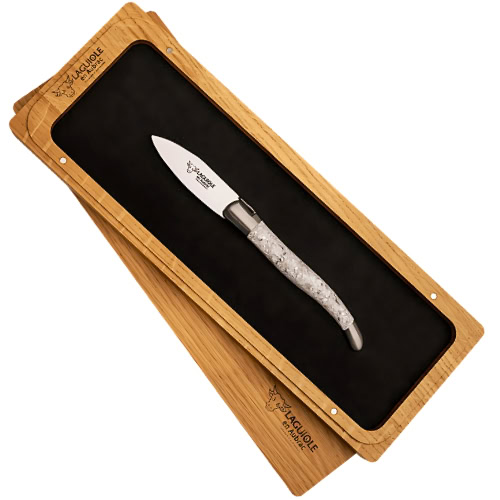
Buy slowly; check closely. Look for explicit provenance—Laguiole en Aubrac, handmade in France—and avoid vague “Laguiole-style” wording. Examine the tip under good light: it should be centred and crisp, with no flat spots that could slip at the seam. Press a thumb along the spine: smooth, comfortable and free of burrs. Bolsters must meet resin cleanly with flush transitions; rivets should be aligned and discreet. Because every recycled-shell handle is unique, choose a pattern you’ll enjoy seeing often. For UK practicality, favour a retailer that prices in GBP, shows clear delivery options and provides responsive after-sales in English. Presentation matters: a wooden box protects the tip, keeps the ritual tidy and makes gifting feel complete. Care is simple: handwash only, rinse and dry promptly, never soak, and store in the box so the point stays true. Resin handles need no wax or conditioners; a soft cloth revives the gloss in seconds. Build a calm habit—towel or glove ready, tray beneath—and your oysters will taste cleaner, look neater and arrive faster from sink to ice.
Conclusion — Calm, Clean, Confident Shucking
A Laguiole oyster knife turns opening from effort into ritual: a seated tip, a controlled twist, liquor preserved and meat unruffled. The short, rigid blade works with structure rather than against it; the pointed geometry finds the hinge predictably; the handle—luminous with recycled shells in clear resin—brings a coastal elegance to British tables from Christmas platters to summer terraces. Choose the profile and pattern that suit your room, insist on authentic craft and fit, and keep the workflow simple: towel, tray, pop, check, serve. With a little practice, the motion becomes quiet theatre: guests lean in, the first oyster shines, and the rest follow in an easy rhythm. If you’re ready to add a dependable shucker to your seafood set—one that looks as composed as it feels—explore the collection and find the handle that tells your story.
Explore genuine Laguiole oyster knives — recycled shell handles
FAQs — Laguiole Oyster Knives (UK)
Yes. Fragments of real mussel, oyster or scallop shell are encapsulated in clear resin that’s engineered for kitchen use. It’s water-resistant, easy to wipe clean and dimensionally stable. Handwash, dry promptly and store in the presentation box.
Use the hinge method with a folded towel or cut-resistant glove. Seat the tip in the hinge, twist to pop, then slide under the top shell to sever the adductor. Keep your supporting hand behind the blade path and work over a tray to catch liquor.
Kitchen knives flex and their edges bite unpredictably. An oyster knife’s short, rigid blade transmits torque directly to the hinge for a clean pop with less risk of slips, shattered shell and lost liquor.
Yes. A well-balanced, rigid profile with a precise point handles rock oysters and larger natives. For very tight hinges, seating the tip patiently is more important than extra force.
Rinse and dry immediately after use; avoid soaking and dishwashers. If the point takes a knock, protect it with the box or a guard between services. Resin handles need no wax or oils—just a soft cloth to restore gloss.

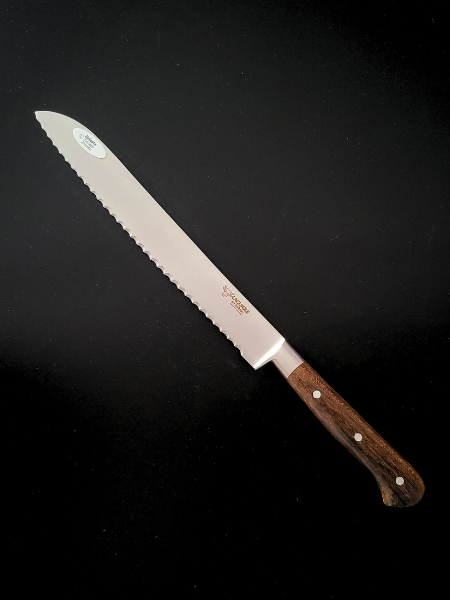
Laguiole Bread Knife Ziricote wood
Laguiole Pizza Knife Juniper Wood
Laguiole Champagne Sabre Zebu Horn Tip
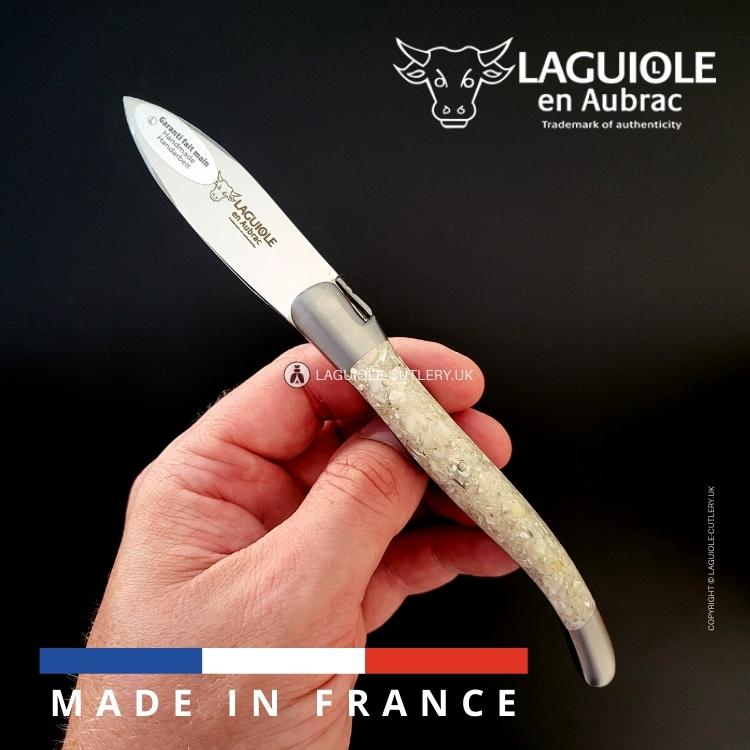
Laguiole Oyster Knife with Scallop Shells Handle
Laguiole 2-Piece Carving Set with Olive Wood Handles
Laguiole Cheese Knife Wenge wood
Laguiole Cheese Knives Set of 3 - Olivewood
Laguiole Oyster Knife with Oyster Shells handle