Laguiole Knives
› Free laser engraving
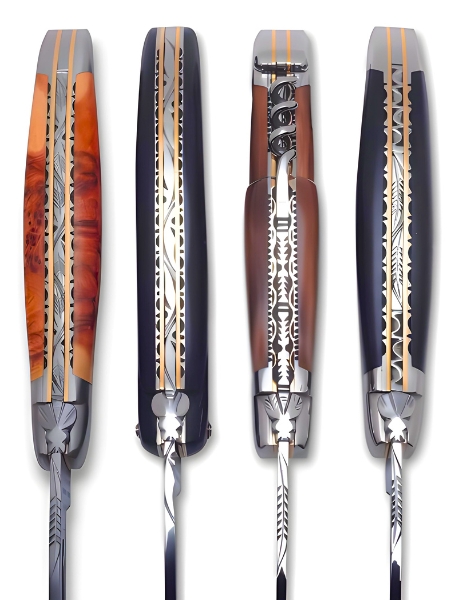
All Laguiole pocket knives
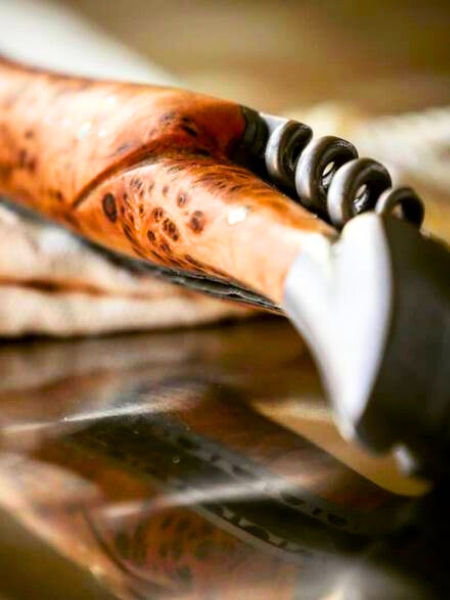
Laguiole knives with corkscrew

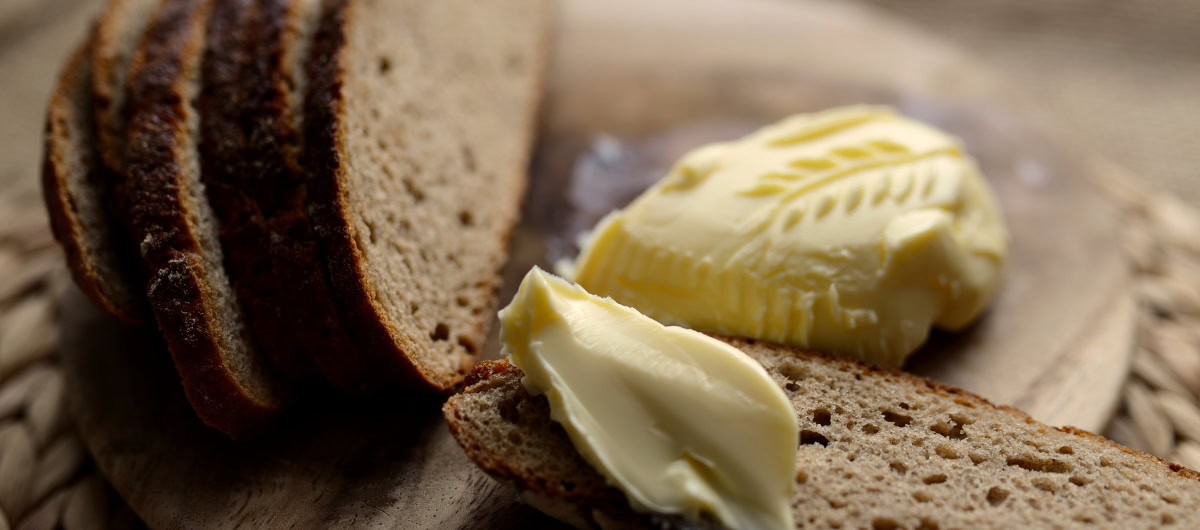
Breakfast trays, afternoon tea, midnight toast: the simplest moments feel different when the right tool is in hand. A genuine Laguiole butter knife, handmade in France by Laguiole en Aubrac, is shaped for calm, even spreading. The gesture becomes unhurried—no tearing of crumb, no clumps of jam—just a smooth ribbon that settles where you want it.
On British tables the effect is immediate: sourdough looks composed, scones hold their cream, and small plates remain tidy even when the conversation runs ahead of the service. This guide is written for UK hosts who appreciate quiet luxury and practical detail. We explain how the blade geometry works (rounded tip, gentle belly, fine bevel), what the classic double-bolster handle contributes in balance and poise, and how to choose the number of spreaders that truly fits your routine—one, a pair, or a neat row for weekends.
We also cover inspection and buying—authenticity, fit and finish, the role of a presentation box—plus a care routine that preserves polish without fuss. Above all, we connect French craftsmanship with the British rhythm of the table: breakfast, brunch, tea. When tools are designed for purpose, hospitality looks effortless and every slice of toast arrives looking as considered as it tastes.
← Back to the Butter Knives collection
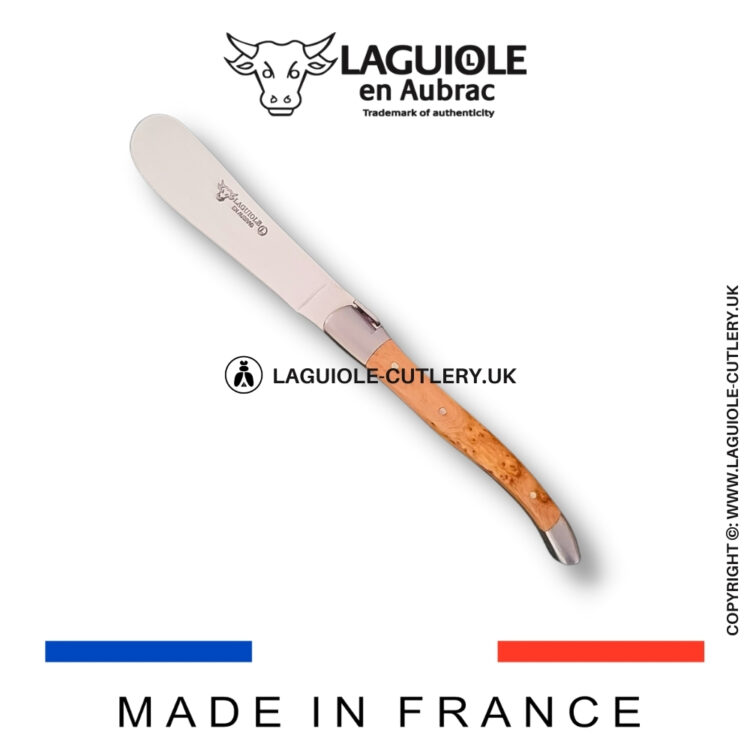
The definitive spreading tool: authentic Laguiole butter knives with a rounded tip, gentle belly and classic double-bolster handle — handcrafted in France by Laguiole en Aubrac.
Ready to browse the range? Visit the collection: → Shop Laguiole Butter Knives
A butter knife should be confident, not sharp. The rounded tip lets you scoop and place in one motion, then guide the spread out to the edge without snagging a crust or collapsing a crumb. A gentle belly gives you surface area to carry butter, clotted cream or soft cheese, while the fine bevel helps the knife glide even when the butter is cooler than ideal. You feel the benefit on pastries and soda bread: layers remain intact; toppings sit where they’re meant to. Equally important is balance. The classic Laguiole double-bolster handle adds end-weight so the knife settles naturally on the plate and encourages a light hand on delicate bakes. Transitions between bolster and handle are polished smooth, so wiping is quick and hygienic. Width matters too: a spreader that is broad enough to carry flavour but slim enough to work on side plates avoids mess and keeps service neat. In practice, this geometry means fewer crumbs on linen, tidier jam edges on toast soldiers, and a pace that suits breakfast in company—calm, precise and quietly indulgent.
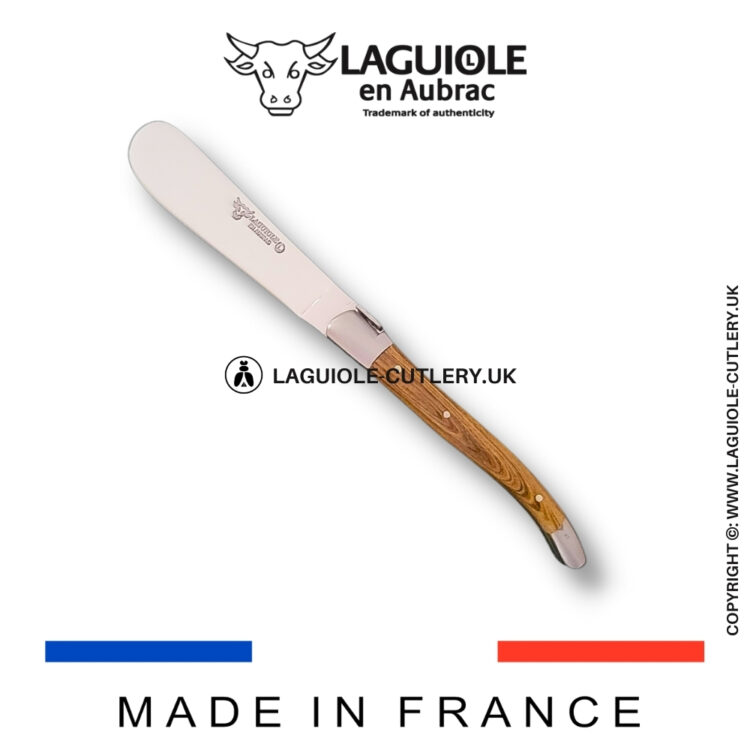
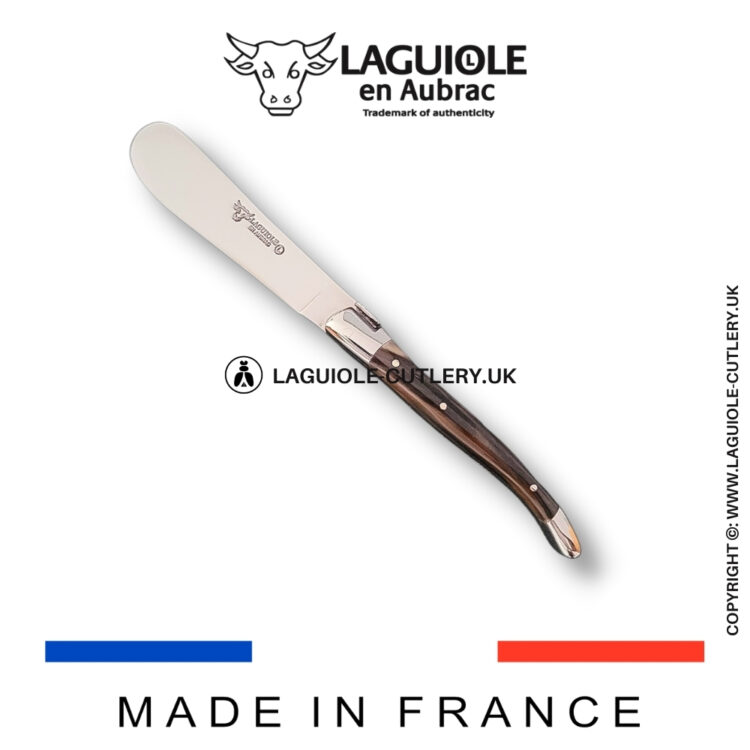
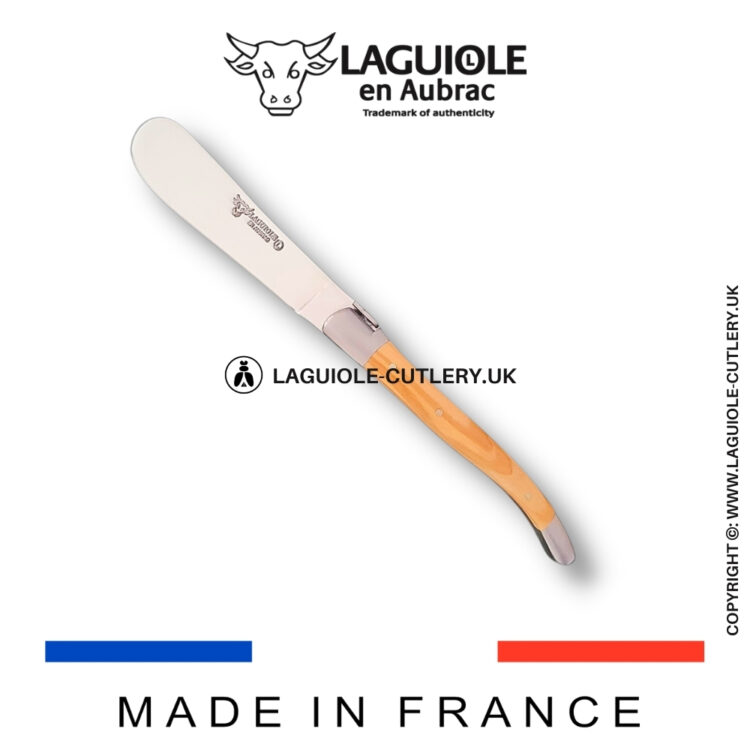
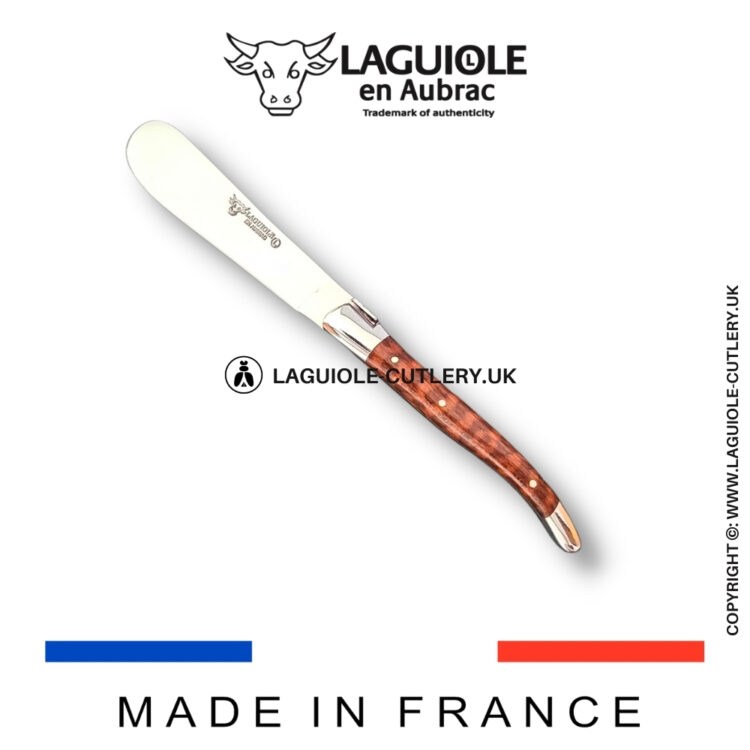
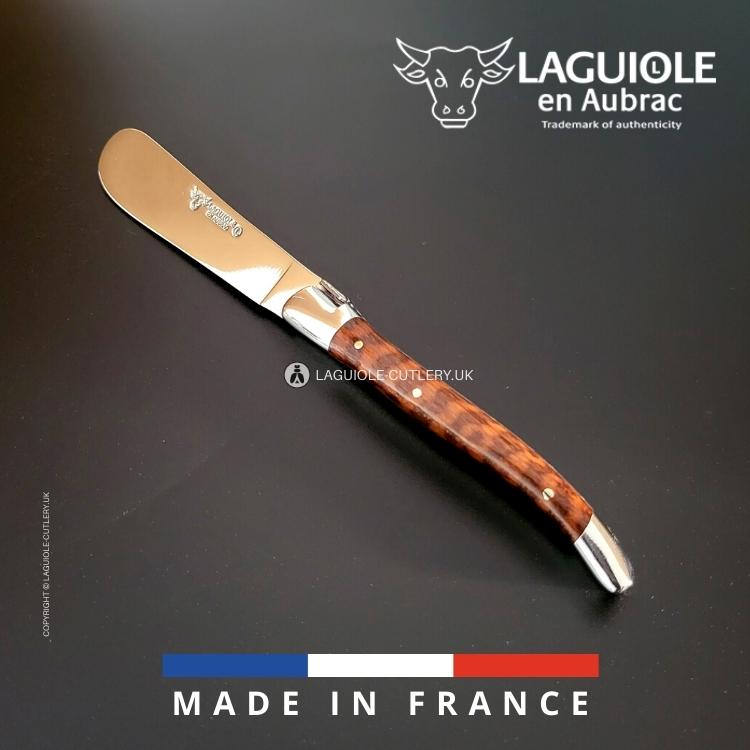
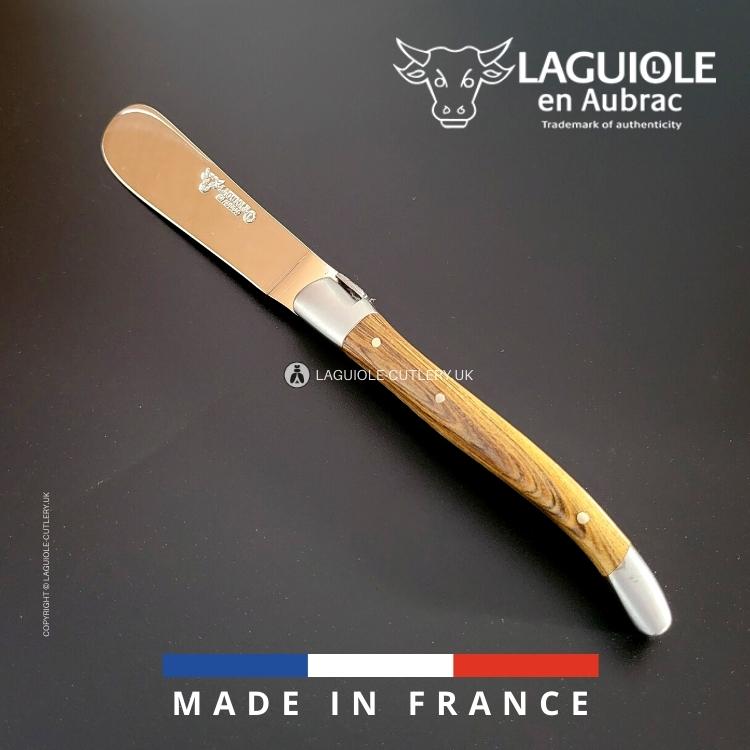
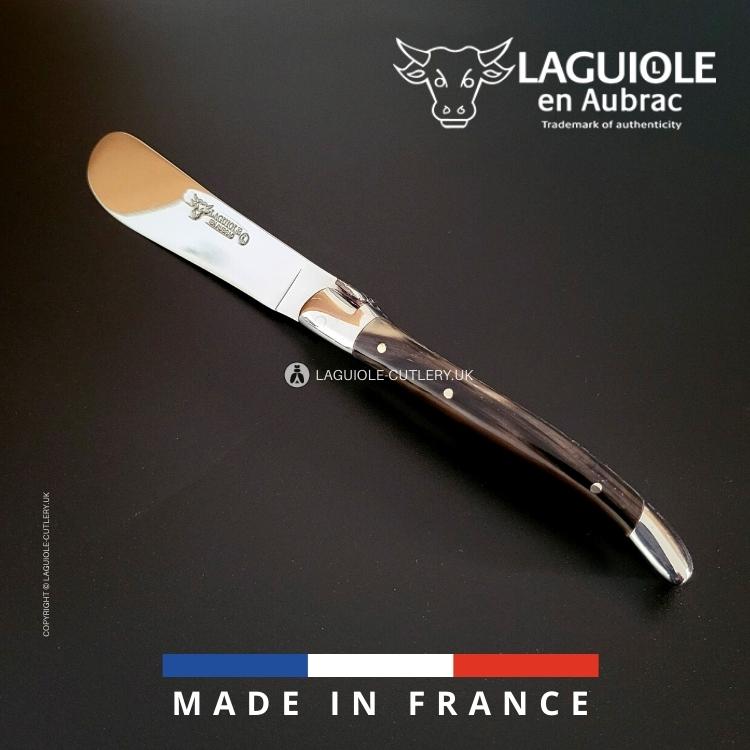
Begin with your rhythm. If you’re a solo toast-and-marmalade traditionalist, a single spreader beside the pot is perfect and keeps the tray uncluttered. Most couples are happier with a pair: plates and jars stop sharing tools and breakfast feels more civilised. If you host brunch or afternoon tea, a row of four or six streamlines the table—butter, jam, lemon curd and soft cheese each have their own knife, and guests help themselves without cross-flavouring. Think about setting as well as quantity. For relaxed kitchens, choose a handle tone that echoes trays and mugs; for formal tea service, match the knife to white porcelain and crystal so the look reads hotel-smart. If you style a buffet, favour a silhouette that rests flat when you pause, so trays remain tidy between passes. Finally, plan storage. A presentation box turns the tool into a repeatable ritual—lift the lid at breakfast, return it clean after. When the logistics feel effortless, the pleasure of the spread takes centre stage and the table looks composed from first pour to last slice.
Handles shape mood as much as they shape grip. Olivewood brings golden warmth and lively grain that flatters pale linens, oak trays and stoneware. It’s convivial, bright and easy to pair with breakfast ceramics. Juniper shows dotted figure and a discreet natural aroma when new; it suits minimalist palettes and graphite glazes, adding texture without visual noise. Snakewood is the collector’s choice—dramatic, scale-like figure with deep chatoyance that reads like jewellery on the table. If you want the spreader to become a focal point, nothing does it better. Pistachio offers a rare, elegant green that lifts neutral kitchens and sits cleanly beside brushed stainless and smoked glass. It brings freshness without feeling loud and mellows beautifully over time. Zebu Horn Tip delivers silky, organic variation from caramel to smoky brown; no two pieces are identical, which gives each knife a quiet heirloom presence. Whatever you choose, the signature Laguiole silhouette—polished bolsters, poised balance, smooth spine—keeps the gesture refined. Match one material across a row for a disciplined “hotel” look, or mix woods and horn for an easy, collected-over-time story that feels personal.
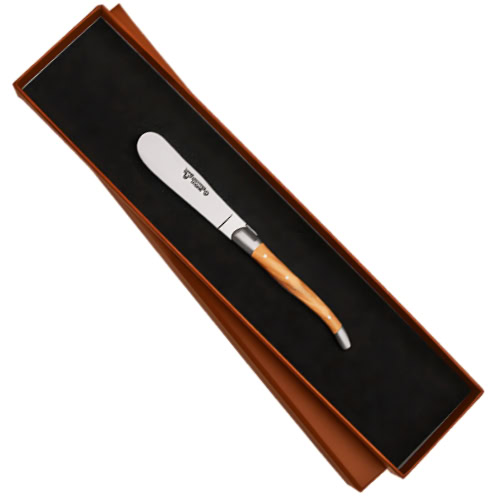
Buy slowly; check closely. Look for clear provenance—Laguiole en Aubrac, handmade in France—and avoid vague “Laguiole-style” wording. Inspect the junctions: bolsters should meet the handle without gaps; rivets align cleanly; the rounded tip and bevel are even across the edge. Balance the knife on a fingertip near the bolster: it should settle without tipping, a sign of thoughtful weight distribution. For UK practicality, prefer a retailer that prices in GBP, details delivery clearly and supports after-sales in English. A presentation box is more than packaging: it protects polish, prevents knocks against serrated knives in drawers and makes gifting feel complete—from housewarmings to wedding lists. Care is simple and, for wood, precise: handwash only, rinse and dry promptly, never soak or use a dishwasher; apply a thin coat of beeswax (not oil) to wooden handles when they look dry to improve water resistance and keep touch feeling clean. Horn tip prefers the same calm routine—quick rinse and dry—without wax unless advised. Store spreaders in the box or in a lined insert so breakfast starts with order and ends with easy cleanup.
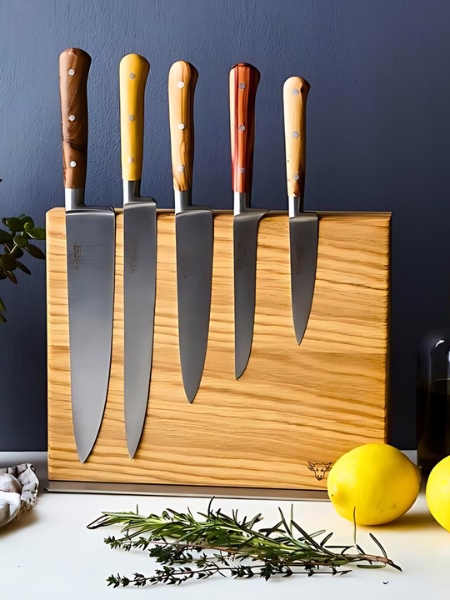
A Laguiole butter knife does a modest job beautifully. It lifts, smooths and finishes with a pace that suits British mornings and civilised afternoon teas. Geometry keeps crumb intact; balance keeps hands light; materials turn a simple tray into a small act of hospitality. Choose the number that matches your routine—one, a pair, or a welcoming row—and a handle that suits your room, whether that’s olivewood’s warmth, juniper’s subtle texture, snakewood’s drama, pistachio’s cool green or horn tip’s silky depth. Buy with confidence—authentic craft, clean junctions, a presentation box you’ll use—and keep care effortless: handwash, prompt dry, beeswax on wood when needed, and calm storage. The result is predictable pleasure: tidy plates, composed trays and guests who notice that everything just feels better. If you’re building a coherent table story, partner your spreaders with tools in the same design language—bread, cheese and kitchen knives—so the look flows from breakfast to dinner without a seam.
They’re spreaders: rounded tip, gentle belly and a fine bevel for glide—not a cutting edge like a table or steak knife.
Daily use: one or a pair. Brunch and afternoon tea: four to six so butter, jam, lemon curd and soft cheese each have their own knife.
Pistachio for a fresh accent; juniper for quiet texture; olivewood if you prefer warmth that pairs with oak and stoneware.
Handwash, dry promptly, never soak or use a dishwasher. When dry to the eye or touch, apply a very thin coat of beeswax (never oil) and buff.
Yes—boxes protect polish, keep drawers orderly and elevate the gift experience; they also make breakfast set-up a single, calm gesture.

• Crafted in France, in the historic area of origin.
• Engraving and dispatch completed on the day of ordering.
• Deliveries to France, the European Union, and worldwide.
• Delivery within 48 hours in the UK. 4 days to the USA with DHL Express.
• Supplied with: certificate of authenticity, 14-page manual of genuine Laguiole knives, protective case.
COMPLIMENTARY LASER ENGRAVING
Laser engraving on the blade is an innovative technique that merges art and technology to elevate and customize a knife. Select from 6 fonts and 12 symbols.
Laguiole POCKET KNIVES
Explore our range of Laguiole en Aubrac folding knives, a hallmark of French artisanal cutlery. These premium pocket knives, blending elegance and functionality, embody the essence of traditional craftsmanship and unparalleled expertise in knife making.
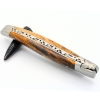
All Laguiole Folding Knives
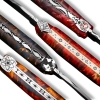
When Craftsmanship Becomes Art
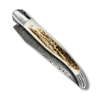
Laguiole Damascus steel blades captivate with hypnotic wave patterns
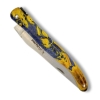
Explore the pinnacle of Laguiole artistry with our Limited & Unique Editions
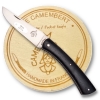
French Gastronomy Meets Fine Cutlery.
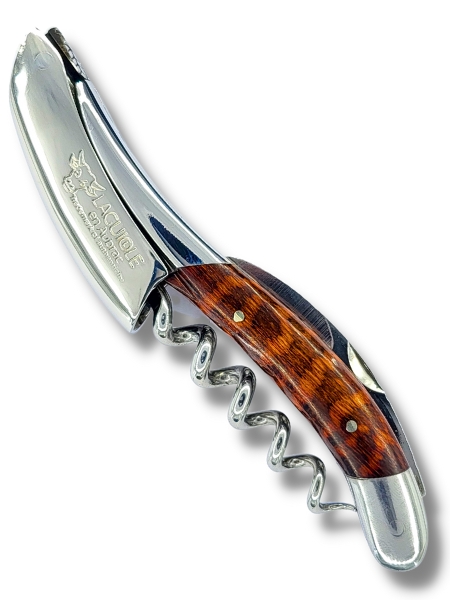
LAGUIOLE CORKSCREWS
Explore our collection of Laguiole en Aubrac sommelier corkscrews, indispensable tools for wine enthusiasts and oenology experts. Each corkscrew is meticulously crafted to the exacting standards of the renowned Laguiole en Aubrac knives.
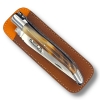
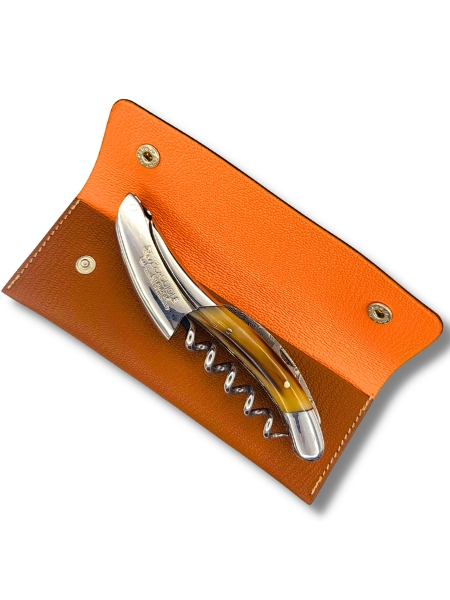
Sheaths, Box & Belt Pouches
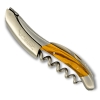
Marquetry - Wood - Horn or Bone
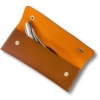
Leather Sheaths
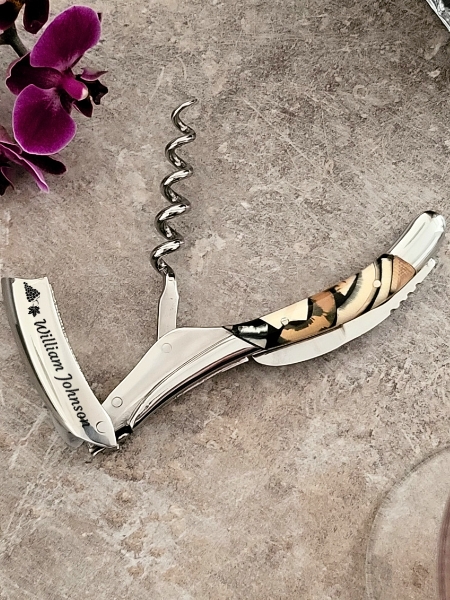
COMPLIMENTARY LASER ENGRAVING
Opting for a personalised Laguiole en Aubrac sommelier corkscrew means injecting a dash of originality into an object already renowned for its quality and aesthetics!

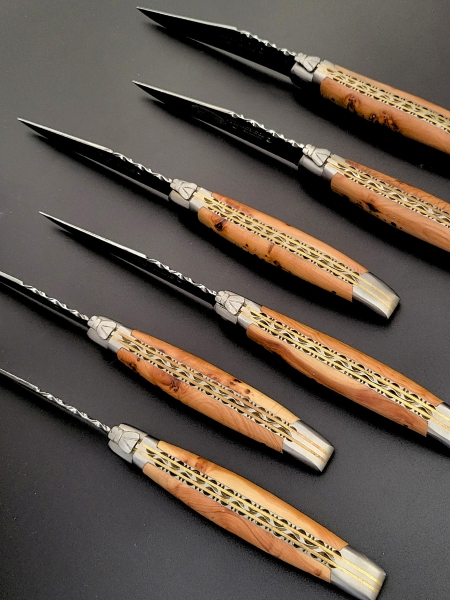
LAGUIOLE CUTLERY SETS
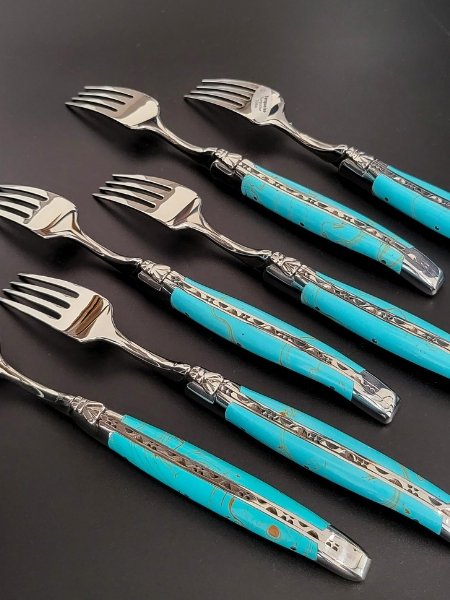
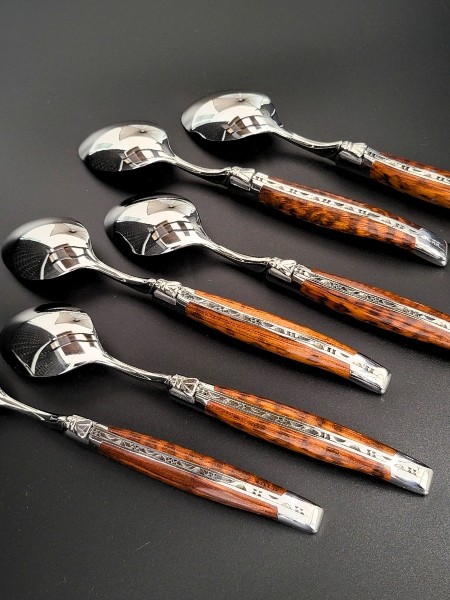
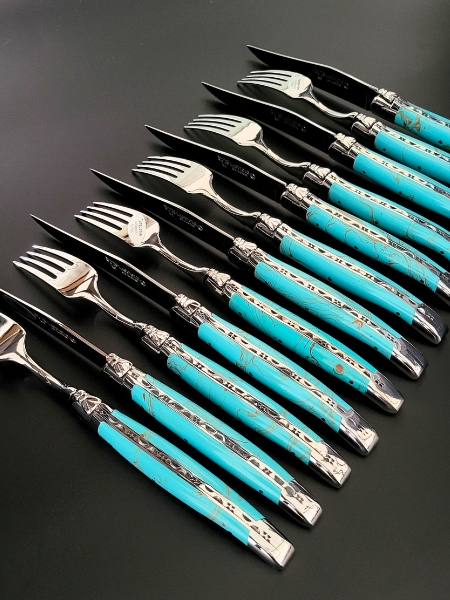
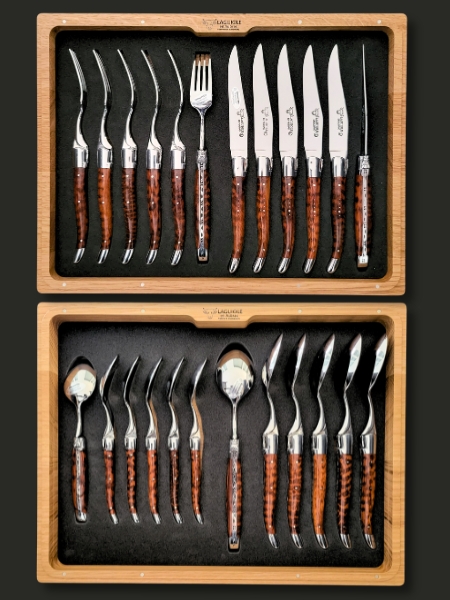
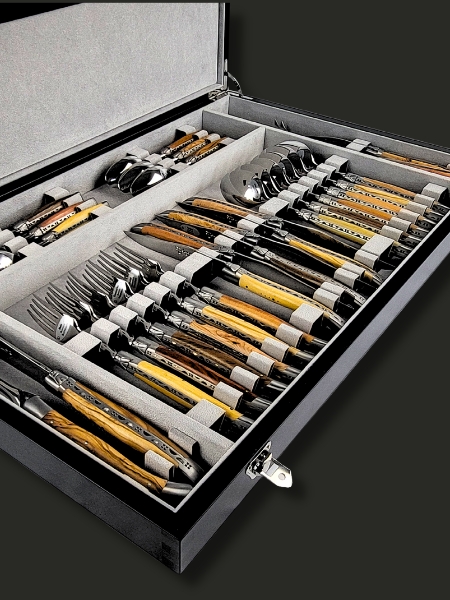
Explore our curated selection of Laguiole en Aubrac cutlery sets, ranging from classic to contemporary styles, featuring an array of vibrant and unique handle materials. Available in sets of 2, 4, or 6, with optional forks, as well as soup and dessert spoons.
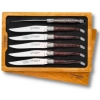
Various handle materials
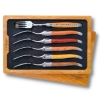
Various handle materials
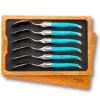
Various handle materials
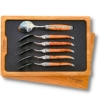
Various handle materials
Various handle materials
Various handle materials
Various handle materials
Various handle materials
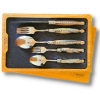
Various handle materials
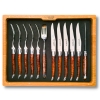
Various handle materials
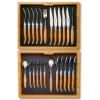
Various handle materials
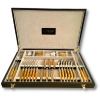
Various handle materials
Additional Knives and Sets
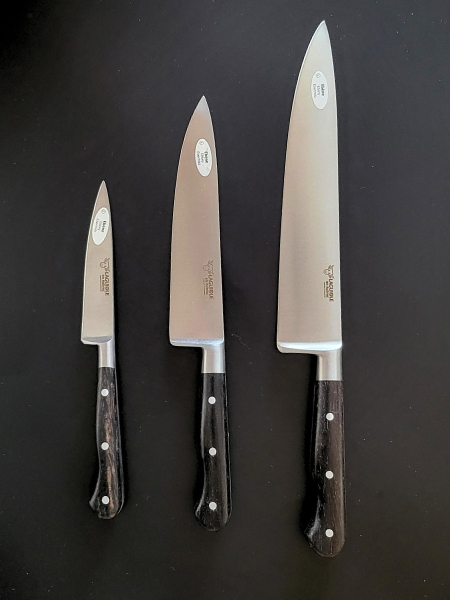
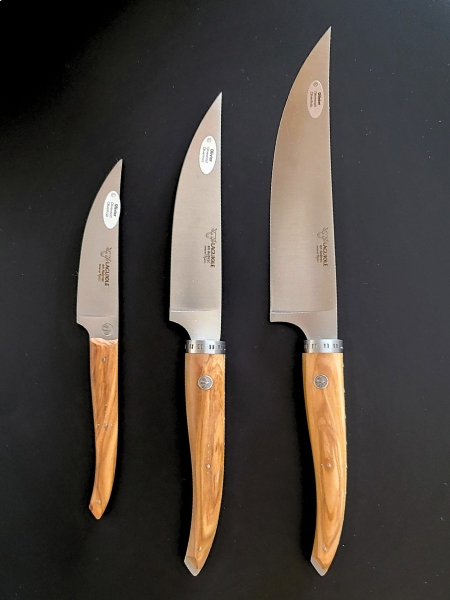
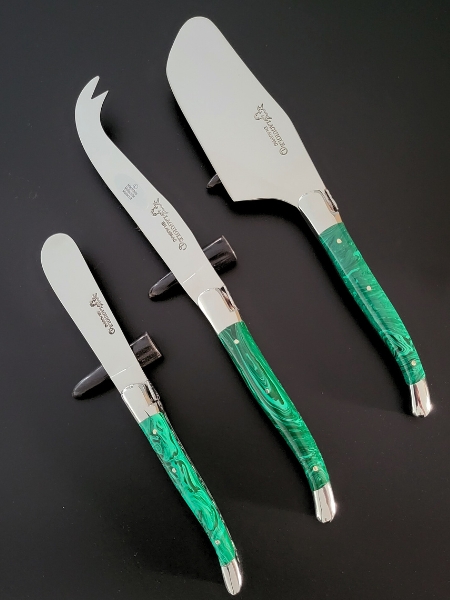
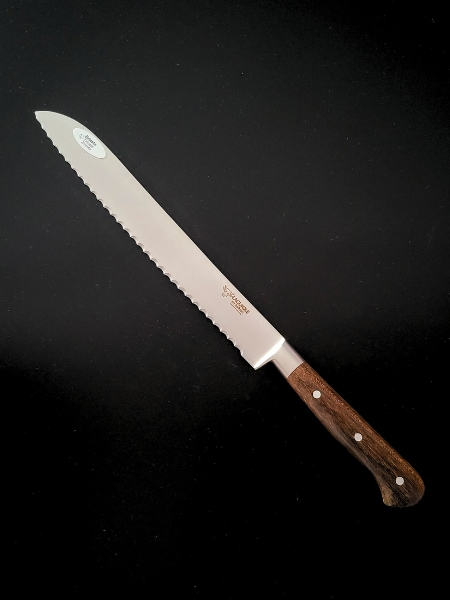
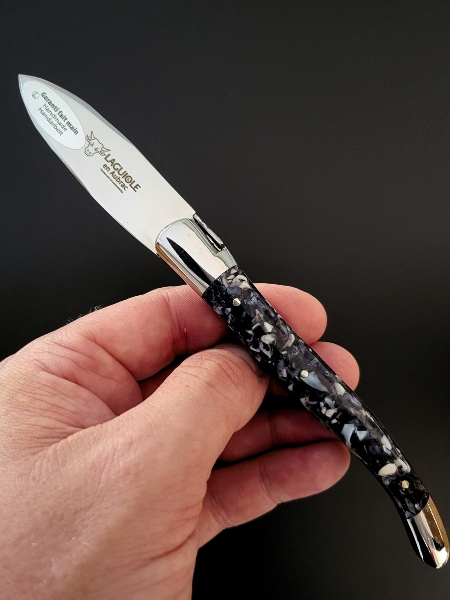
Explore our supplementary cutlery range, crafted to elevate your dining experience and provide you with an unmatched culinary journey. This sophisticated and stylish collection encompasses cheese knives, oyster knives, carving sets, and a myriad of other indispensable accessories for a meticulously arranged table.
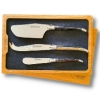
Individuals or in sets x3
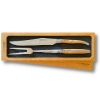
Various handle materials
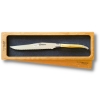
Various handle materials
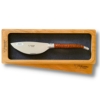
Various handle materials
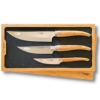
Individuals or in sets x3
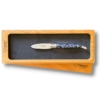
Recycled seashell handles
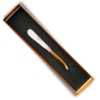
Various handle materials
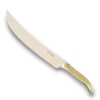
Various handle materials