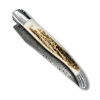
Origins & technique — from historic “Damascus” to modern pattern-welded stainless
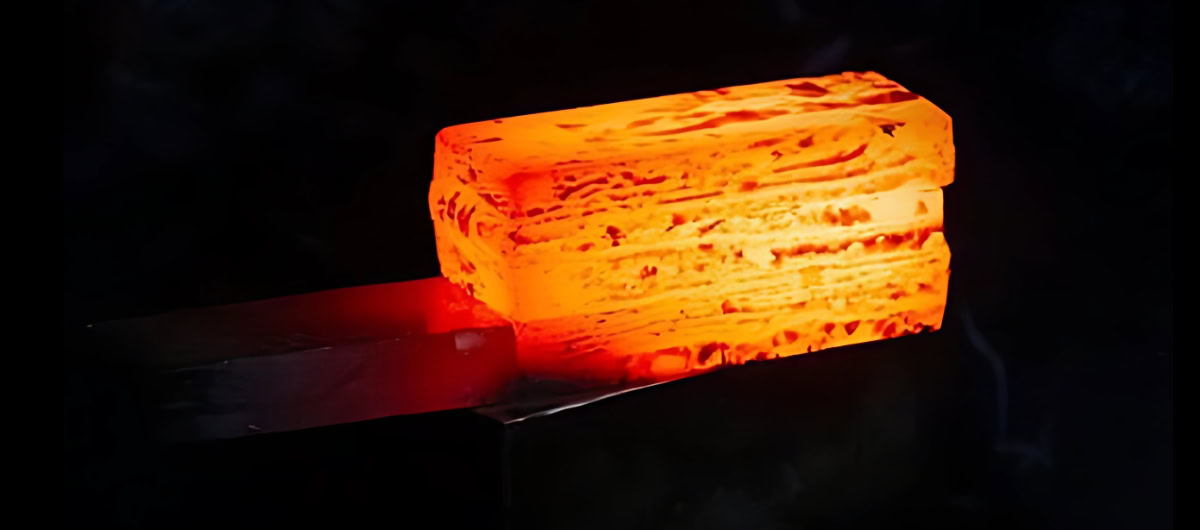
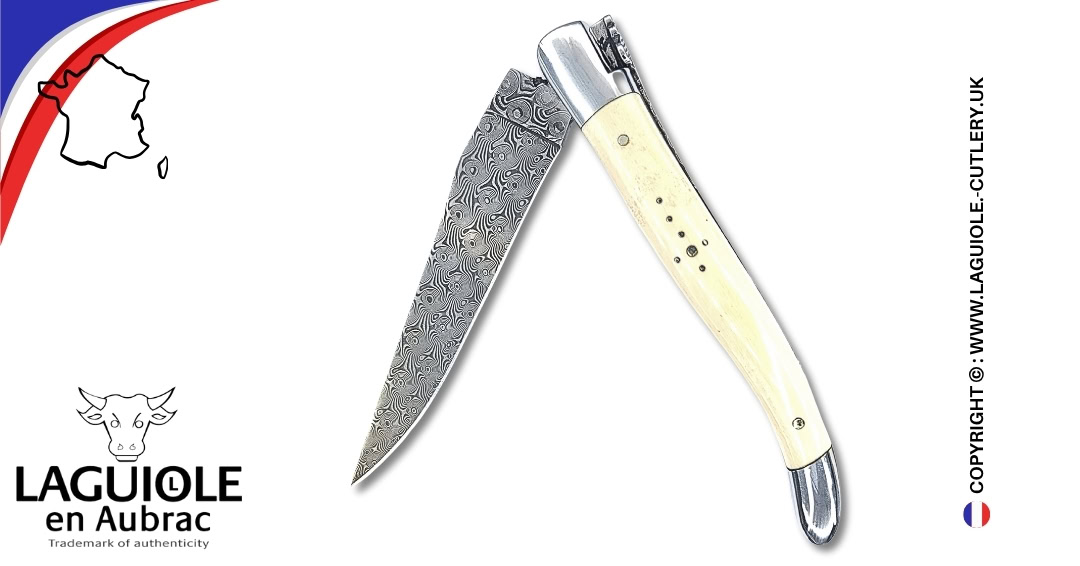
Historically, “Damascus” described legendary Near-Eastern blades made from crucible steels (often called wootz) prized for their flowing patterns and cutting ability. Modern Damascus in pocket knives is a different, safer-to-live-with technology: pattern-welded steel. Multiple layers of steel are stacked, forged, folded, twisted or laddered, then ground and finished so the layers reveal contrasting lines. The effect is structural and visual: you get a dependable, keen edge and a surface that looks alive under changing light.
In our selection, every Damascus blade is stainless — not carbon. The laminates and heat treatment are chosen so the finished blade offers reliable corrosion resistance suited to UK use, while keeping the refined, predictable cutting you expect from a genuine Laguiole.
Best features of Laguiole special editions
Browse the range after reading: Damascus Steel Laguiole Knives.
What Damascus steel actually is
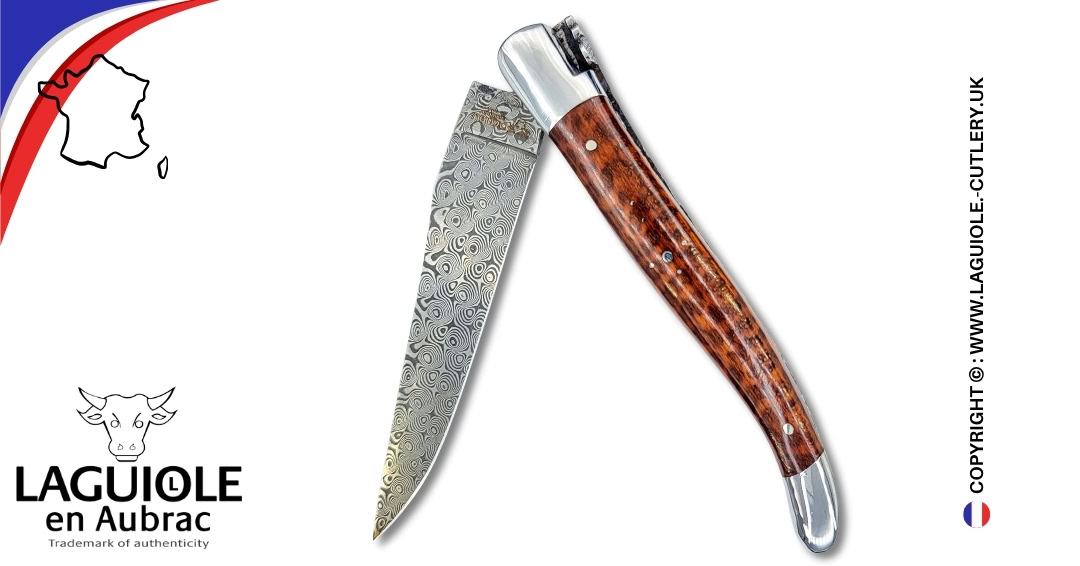
Modern Damascus is built by forging and folding layers of steel into a billet that is then manipulated (twist, ladder, raindrop and other methods). After the blade geometry is ground, finishing brings the pattern to contrast so that darker and lighter strata become visible. The goal on a Laguiole is elegance: a crisp, readable pattern up close that remains composed at arm’s length. Too little finishing looks muddy; too much looks loud. The best pieces feel tuned, not showy.
Because the blade is layered and carefully heat-treated, you can expect a fine, predictable edge that responds well to measured upkeep. The pattern is not a printed film; it is the steel itself — it will remain as the blade is maintained over time.
How the pattern is revealed
After forging, the maker grinds the blade to final geometry and prepares the surface so alternating layers respond differently. The finishing stage then brings the contrast that reveals the flow of lines. On refined pieces the transition from pattern to bevel is clean, with no smear at the edge. You should see continuity along the length of the blade — a sign of disciplined grinding and finishing.
Why pair Damascus with the Laguiole form?
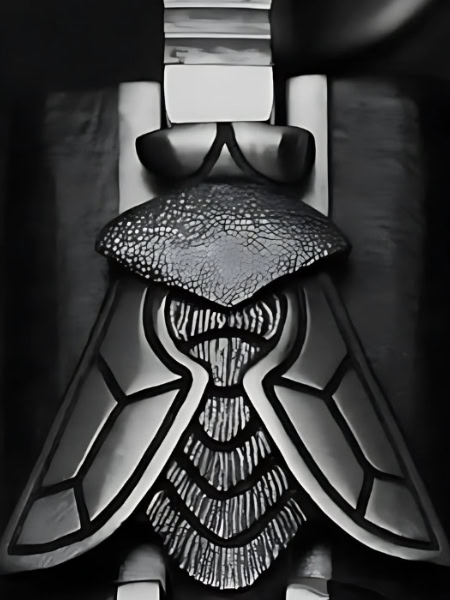
The Laguiole silhouette is quietly theatrical: a long blade, graceful back, emblem at the head, and balanced proportions both open and closed. Damascus adds visual depth to that calm geometry. In use you get the same composed action; at rest you see lines that read like grain in wood or current in water. The result suits owners who enjoy ritual without fuss: slice fruit, trim string, open a parcel — each small task acquires a satisfying rhythm.
Use in British life — quick scenarios
- Workday minimalism — choose a satin-finished pattern for a graphic, modern desk companion that doesn’t glare under office lighting.
- Evening hospitality — a mirror-finished Damascus blade takes candlelight beautifully; pair with dark horn or ebony scales for a formal read.
- Weekend away — walnut or pistachio wood paired with polished stainless bolsters feels warm and composed on cottage tables and picnic rugs.
- Gifting — the pattern is instantly self-explanatory, so non-enthusiasts “get” the specialness at first glance; select a presentation box for a composed moment.
Specification — choose by feel, mood and context
You don’t need to become a metals expert. Make a few clear choices and you’ll arrive at the right knife.
Blade finish
- Satin — understated, pragmatic, excellent day-to-day. Patterns read soft and layered rather than high-contrast.
- Mirror — formal and dramatic; patterns appear crisp and vivid, especially under warm evening light.
Pattern temperament
- Even, linear motifs — a calmer look that works well with minimalist interiors and tailored wardrobes.
- Organic, pooled motifs — more movement and visual depth; lovely with warm hardwoods.
Bolsters
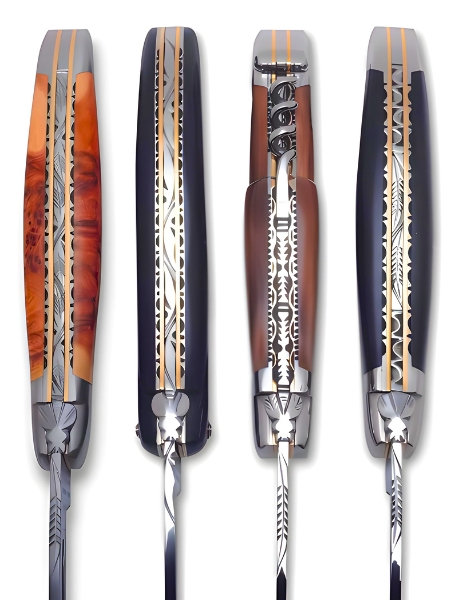
Polished stainless only in our Damascus range — crisp, graphic, modern. (No brass bolsters on Damascus references.)
Handles (mood first, rarity second)
Choose the character you want in hand and on the table. Damascus is visually active, so handles can either calm it down or meet it with equal richness.
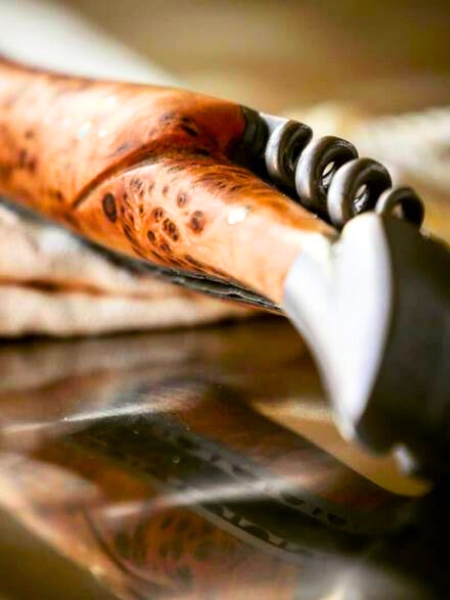
- Walnut — classic, warm grain; reads convivial in kitchens and at informal tables.
- Pistachio wood — subtle, uncommon hue with fine grain; quietly distinctive without shouting.
- Polished horn — silky tactility, formal contrast; excellent for black-tie dinners and smart hospitality.
- Fossilised mammoth ivory — collector-grade presence; choose for significance and tone rather than for novelty alone.
Frame & plates
- Classic frame with hand-filed plates — the purest, lighter pocket feel and a clean read of the silhouette.
- Double-Plates (dual plates) — a touch more stability and more surface for hand-filed spine/plate work; still blazer-friendly.
Damascus vs classic stainless — quick comparison
| Aspect | Damascus steel blade (stainless) | Classic stainless blade |
|---|---|---|
| Visual character | Layered, patterned; changes with light | Monochrome, minimalist |
| Table presence | Expressive, ceremonial if mirror-finished | Calm, understated |
| Care | Wipe & dry; avoid harsh cleaners | Similarly simple |
| Best for | Owners who enjoy visual depth and tactility | Purists and minimalists |
Both are correct; choose what you’ll enjoy handling and seeing every day.
How stainless Damascus behaves at the edge
Because our Damascus blades are stainless and pattern-welded, you can expect a keen, predictable edge that responds well to regular, light maintenance. Use a quality honing rod with a gentle touch and consistent angle. For deeper work, rely on a professional who respects thin, polished edges; over-aggressive grinding can blur pattern lines near the bevel and remove more material than necessary.
Gifting — make the moment
A Damascus Laguiole is a natural gift because the pattern tells its own story the moment the blade opens. To elevate the experience, choose a reference supplied in a presentation box and, if appropriate, pair the blade pattern with a handle that echoes the recipient’s taste — dark, formal horn for evening settings; warm walnut for cottage weekends; pistachio for quiet distinctiveness. Include the documentation of origin inside the box so the provenance is part of the unwrapping.
Common mistakes (and how to avoid them)
- Choosing on photos alone — patterns look different in daylight vs warm indoor light; imagine the knife where you will actually use it.
- Over-polishing — excessive polishing near the bevel can blur pattern lines; keep to light, regular cleaning.
- Ignoring mechanics — a pretty blade with poor action will disappoint; always check opening pull and closing note.
- Mismatching handle & pattern — busy wood plus loud pattern can feel restless; pair active blades with calmer scales or vice versa.
Pattern that earns its place
A Damascus steel Laguiole adds visual depth to an already elegant form. If you value small daily rituals and objects that age with presence, it is an easy choice. When you are ready, explore the current selection and choose the composition that fits your wardrobe, your table and your weekends.
FAQ - About Laguiole Knives with Damascus Steel Blade
Stainless. All Damascus blades in our selection are stainless steel, chosen for reliable corrosion resistance and refined daily use in the UK.
Care is similarly simple: wipe and dry after use, avoid soaking and harsh cleaners, and store dry. Consistency matters more than effort.
Pick by mood: calm woods or horn if you want the blade to speak; figured woods if you enjoy a richer overall composition. Both approaches are correct.
Yes, slightly. Double-Plates (dual plates) adds a steadier hand-feel and more surface for hand-filed spine/plate detail, while remaining blazer-friendly. The classic frame with hand-filed plates is lighter in the pocket.

Laguiole Bread Knife Ziricote wood
Laguiole Pizza Knife Juniper Wood
Laguiole Champagne Sabre Zebu Horn Tip
Laguiole Oyster Knife with Scallop Shells Handle
Laguiole 2-Piece Carving Set with Olive Wood Handles
Laguiole Cheese Knife Wenge wood
Laguiole Cheese Knives Set of 3 - Olivewood
Laguiole Oyster Knife with Oyster Shells handle