Laguiole Knives
› Free laser engraving
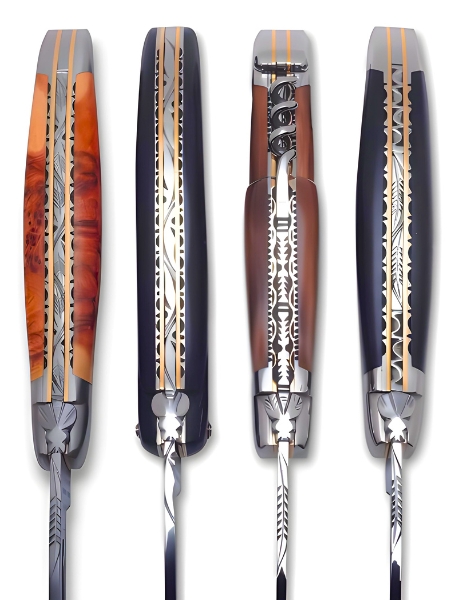
All Laguiole pocket knives
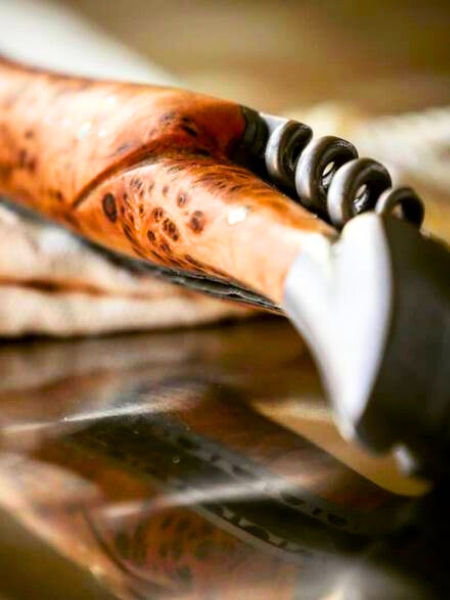
Laguiole knives with corkscrew
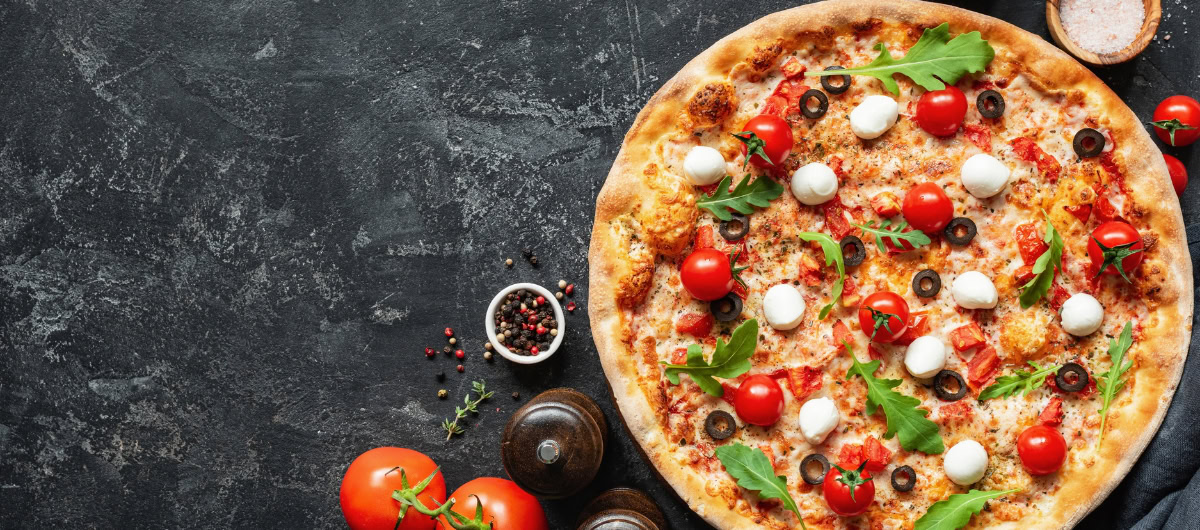
Nothing deflates a pizza faster than a dragging cut that shunts toppings to the rim. A genuine Laguiole pizza knife, handmade in France by Laguiole en Aubrac, solves the problem with a half-moon blade and a micro-serrated edge designed to start the slice with minimal pressure and finish it in one calm, rocking motion. The geometry preserves a crisp crust and a chewy centre, while mozzarella, basil leaves and roasted vegetables stay exactly where you placed them. Add the poise of the classic double-bolster handle and you have a table-ready tool that elevates casual nights without fuss. Whether you’re cutting Neapolitan pies from a portable oven, a deep-dish for movie night, or flatbreads for sharing boards, the right knife turns a messy moment into quiet theatre: a clean arc, composed wedges, plates that look intentional. This UK guide explains how the half-moon profile behaves on real bakes, how micro-serrations differ from coarse teeth, which handle materials suit your room, and what to check before you buy. We’ll also cover storage that encourages use and care habits that keep the knife handsome for years, so pizza night feels as polished as any dinner party—just more relaxed.
← Back to the main guide to Laguiole pizza knives
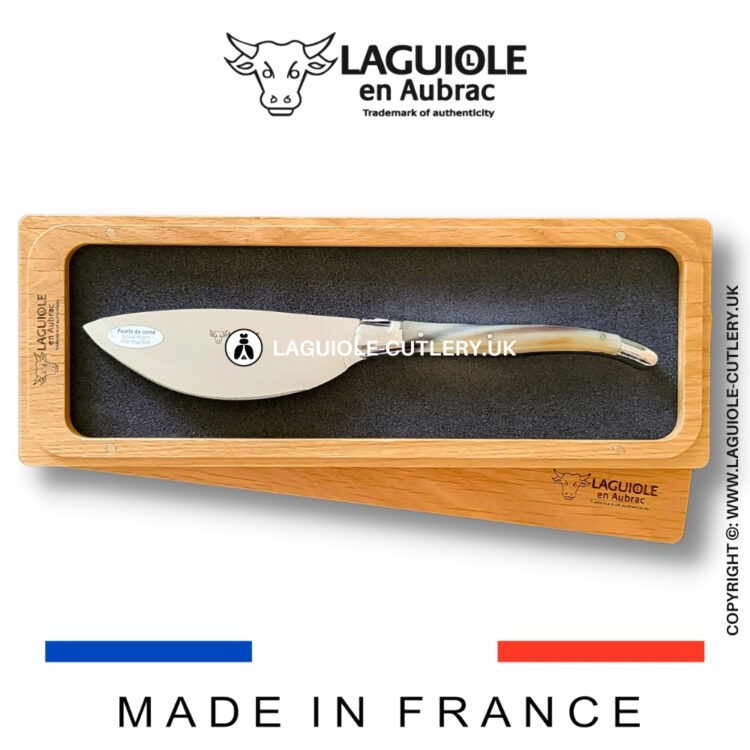
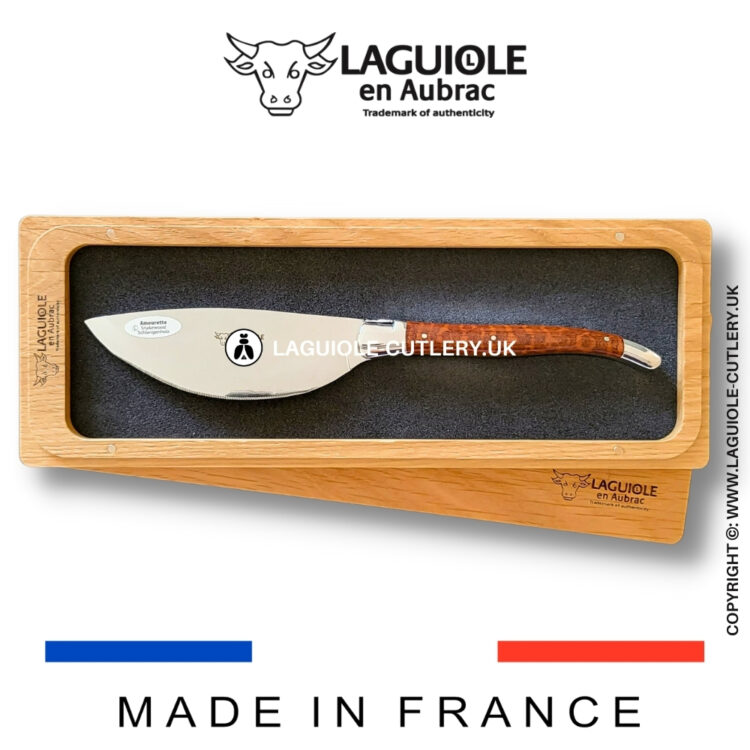
The definitive pizza service tool: half-moon, micro-serrated Laguiole pizza knives with classic double-bolster handles — handcrafted in France by Laguiole en Aubrac.
Ready to browse the range? Visit the collection: → Shop Laguiole Pizza Knives
Think of the half-moon as a controlled rocker: the arc increases contact so the cut begins gently and continues smoothly, avoiding the ploughing effect of heavy rollers. Micro-serrations are the second half of the equation. Because each tooth is fine and accurately ground, they grip without tearing, letting you initiate the slice with a light touch, then extend into longer strokes as the crust thickens at the rim. On Neapolitan bases, a shallow “kiss” sets the track before you rock through; on Roman al taglio or Detroit-style, the increased contact of the arc prevents the cheese blanket from migrating. You’ll notice fewer ragged edges, less stringy drag and wedges that lie flat rather than springing open. Finish matters too: a well-polished blade wipes clean between passes so oil doesn’t smear across the surface, and a smooth spine keeps your guiding hand comfortable during multiple pies. Finally, balance at the pinch point should feel neutral—not blade-heavy, not handle-light—so the knife tracks straight as you pivot heel to tip. These small traits show up on the plate immediately: cleaner slices, toppings intact, and a board that looks composed even when the room is lively.


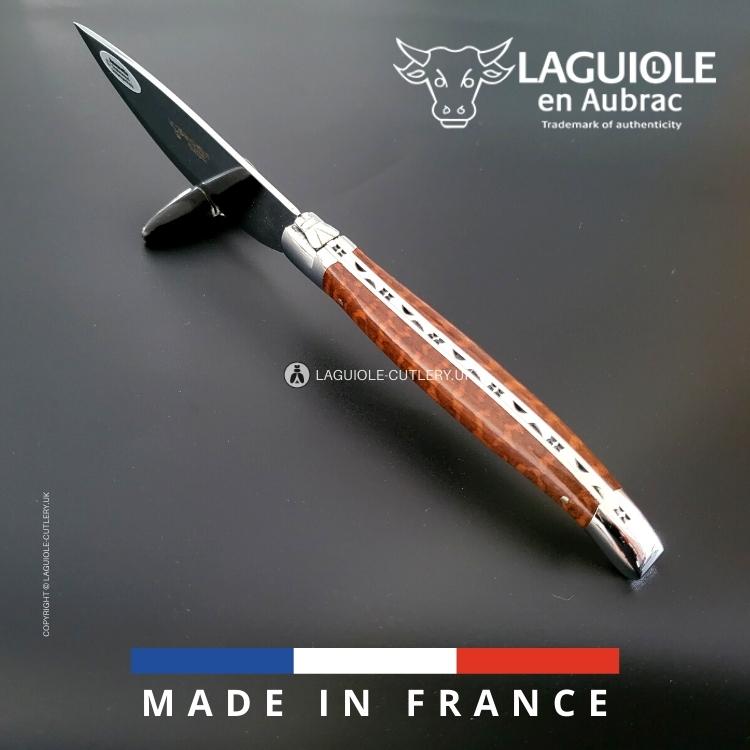
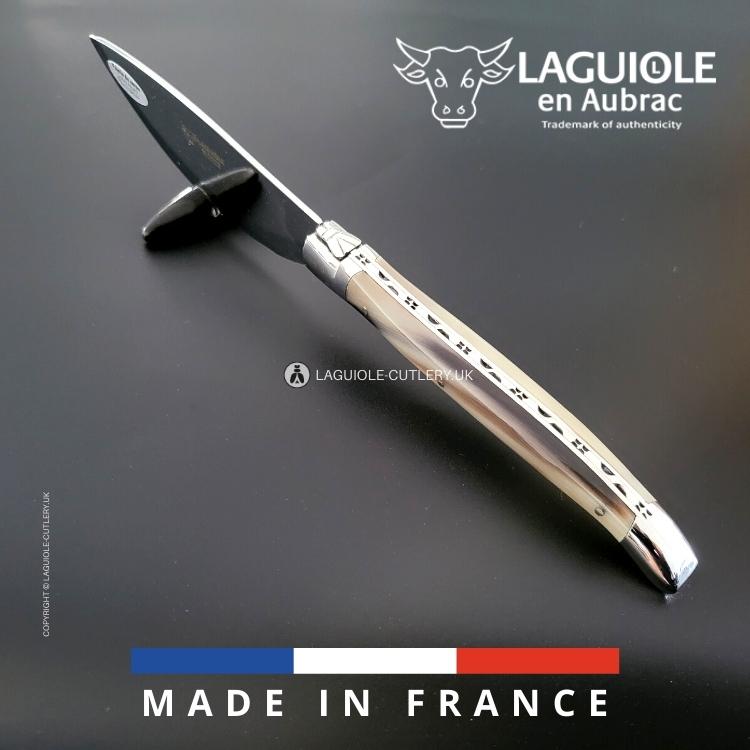
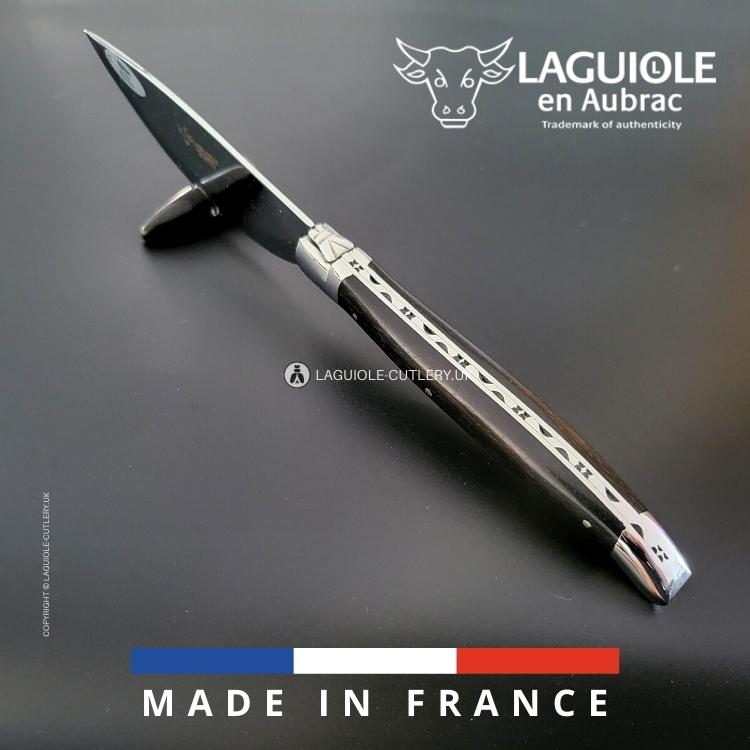
Begin with how you serve. If pizza is a family staple, prioritise a blade that rewards repetition: neutral balance, fine micro-serrations and a generous arc make quick work of multiple pies without tiring the wrist. Hosting friends for football or films? Quiet cutting matters—an arced knife on a wooden board is markedly less clattery than a wheel on stone. Cooking outdoors on a kamado or portable oven? A knife travels better than a wheeled cutter and needs no dedicated base—any stable board will do. Next, consider the crusts you actually bake. For thin Neapolitan, a keen micro-serration avoids bruising the airy rim; for thicker American or loaded veggie pies, the longer contact of the half-moon keeps toppings centred as you rock through. If you serve flatbreads, garlic bread or tarts fines, the same geometry applies, so one tool covers more than pizza night. Finally, think about presentation. If you cut at the table, the classic double-bolster handle adds a discreet note of ceremony and feels steady when the blade rests between passes. If the knife will live by the oven, choose a finish that wipes clean easily and a storage option you’ll use every week.
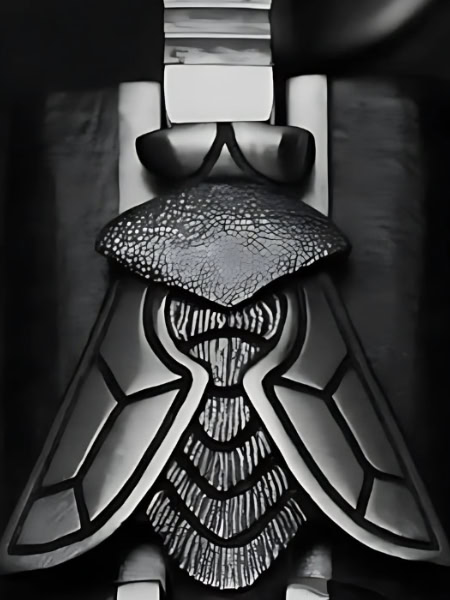
Most genuine Laguiole pizza knives share the half-moon micro-serrated formula; the meaningful differences are in materials and finishing. Olivewood brings golden warmth and lively grain that sits beautifully beside terracotta stones and pale ceramics; Ebony offers a crisp, formal contrast that photographs well on white porcelain; Walnut reads architectural and calm; Juniper adds dotted figure and subtle aroma; Horn tip delivers silky tactility and natural variation. All are anchored by the double stainless-steel bolsters that add end-weight for a smooth, controlled rock, plus the emblematic bee and, sur certains modèles, un dos limé à la main (guilloché) agréable sous les doigts. For storage, a wooden presentation box protects micro-serrations from knocks and turns set-up into a single, composed gesture—open, lift, cut. A tidy cardboard case is compact and practical if drawer space is tight. Choose one material for a disciplined look that matches your bread and cheese service, or mix woods intentionally for an “assembled over time” story. Whatever your palette, prioritise finishes that clean quickly and feel comfortable when the pace of serving picks up.
Buy slowly, check closely. Look for explicit provenance: Laguiole en Aubrac, handmade in France—not vague “Laguiole-style”. Inspect the micro-serrations under good light: they should be even in height and pitch along the arc, with a crisp apex that grips but doesn’t snag. Run a fingertip (prudemment) along the spine: it should feel smooth; examine double bolsters for even polish and the bee for crisp definition. Handle scales must sit flush to the steel with aligned rivets; natural materials should show harmonious colour and figure if you’re buying more than one knife. For UK practicality, favour retailers who price in GBP, state delivery clearly and offer responsive after-sales in English. Plan storage you’ll actually use—presentation box or guard—to keep the edge keen between Fridays and match days. For care, keep it simple: handwash only, dry immediately, never soak or dishwash. Sur les manches en bois, applique ponctuellement une cire d’abeille très fine pour imperméabiliser et protéger la fibre, puis lustre à sec. Ne jamais utiliser d’huile (résidu gras, attire la poussière). With these checks and habits, the knife will look sharp and cut cleaner for years.
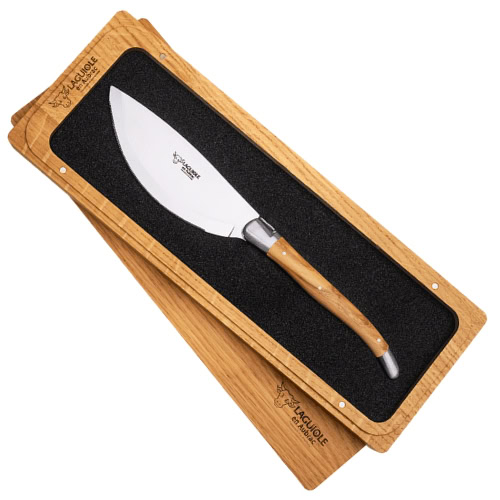
A Laguiole pizza knife is a small upgrade with outsized effect: it preserves crust texture, keeps toppings in place and changes the tempo of service from scramble to flow. The half-moon micro-serrated blade begins the cut lightly and finishes it in one confident rock; the double-bolster handle adds poise when you cut at the table. Choose the material that suits your room—olivewood warmth, ebony contrast, walnut calm, juniper character or horn tip’s silky depth—and a storage option that keeps the edge protected and the ritual simple. Insist on authentic Laguiole en Aubrac craft, check fit and finish carefully, and follow low-effort care with cire d’abeille on wood when needed. The reward is immediate and repeatable: quiet cuts, neat wedges, plates that look deliberately styled even on the most relaxed evenings. Ready to make pizza night feel as composed as your best dinner service—just more fun?
A wheel compresses before it cuts; a half-moon micro-serrated blade grips lightly, starts the slice with less pressure and finishes in a clean rocking motion. You get fewer ragged edges, toppings stay in place and slices lie flatter on the plate—especially noticeable with thin Neapolitan rims or loaded veggie pies.
Yes. The arc increases contact, so you can extend the stroke through tall edges without forcing. Fine micro-serrations help the blade track straight through dense crumb and melted cheese, reducing drag and keeping portions tidy for serving.
Olivewood for warm, lively grain; ebony for graphic contrast; walnut for calm, architectural tones; juniper for dotted figure; horn tip for silky tactility and natural variation. Choose to match your boards and ceramics, or mix intentionally for an “assembled over time” look.
Handwash only, dry immediately, never soak or dishwash. For wooden handles, apply a very thin beeswax layer occasionally to protect fibres, then buff dry. Do not use oil (it leaves a greasy film and attracts dust). Store in a presentation box or with a guard.
Absolutely. The same half-moon geometry and micro-serrations excel on focaccia, garlic bread, pide, lahmacun and pastry tarts, so one tool covers more than pizza night and keeps your tableware story cohesive.

• Crafted in France, in the historic area of origin.
• Engraving and dispatch completed on the day of ordering.
• Deliveries to France, the European Union, and worldwide.
• Delivery within 48 hours in the UK. 4 days to the USA with DHL Express.
• Supplied with: certificate of authenticity, 14-page manual of genuine Laguiole knives, protective case.
COMPLIMENTARY LASER ENGRAVING
Laser engraving on the blade is an innovative technique that merges art and technology to elevate and customize a knife. Select from 6 fonts and 12 symbols.
Laguiole POCKET KNIVES
Explore our range of Laguiole en Aubrac folding knives, a hallmark of French artisanal cutlery. These premium pocket knives, blending elegance and functionality, embody the essence of traditional craftsmanship and unparalleled expertise in knife making.
All Laguiole Folding Knives
When Craftsmanship Becomes Art
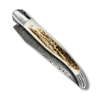
Laguiole Damascus steel blades captivate with hypnotic wave patterns
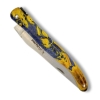
Explore the pinnacle of Laguiole artistry with our Limited & Unique Editions
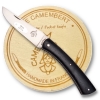
French Gastronomy Meets Fine Cutlery.
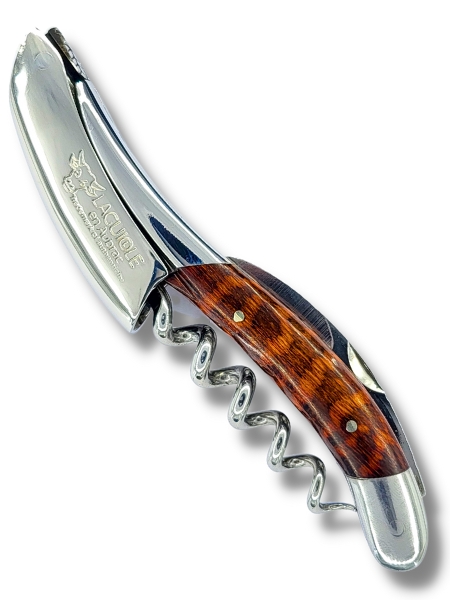
LAGUIOLE CORKSCREWS
Explore our collection of Laguiole en Aubrac sommelier corkscrews, indispensable tools for wine enthusiasts and oenology experts. Each corkscrew is meticulously crafted to the exacting standards of the renowned Laguiole en Aubrac knives.
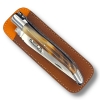
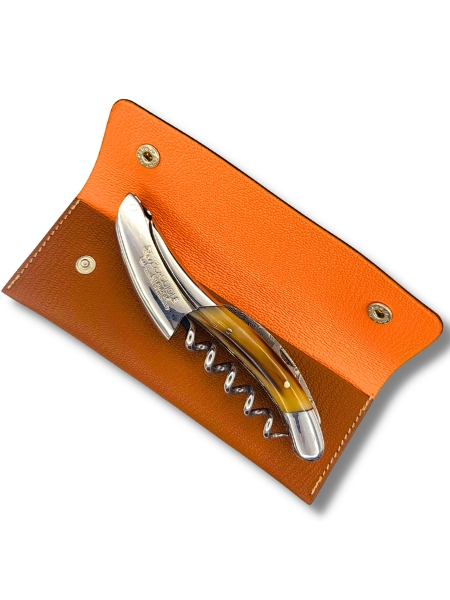
Sheaths, Box & Belt Pouches
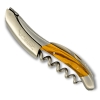
Marquetry - Wood - Horn or Bone
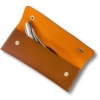
Leather Sheaths
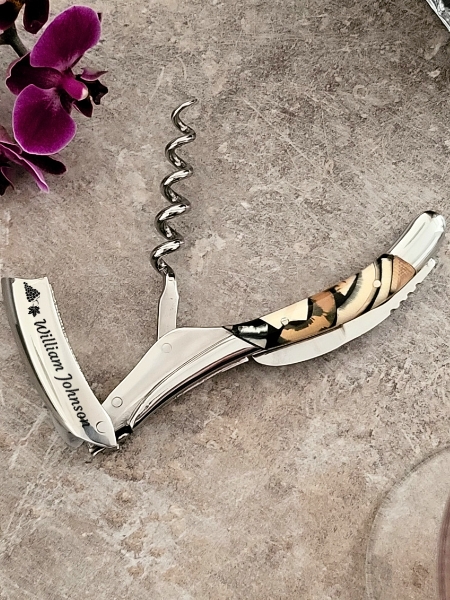
COMPLIMENTARY LASER ENGRAVING
Opting for a personalised Laguiole en Aubrac sommelier corkscrew means injecting a dash of originality into an object already renowned for its quality and aesthetics!

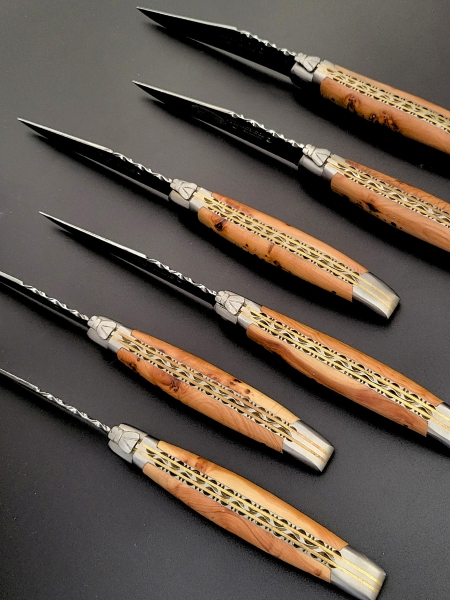
LAGUIOLE CUTLERY SETS
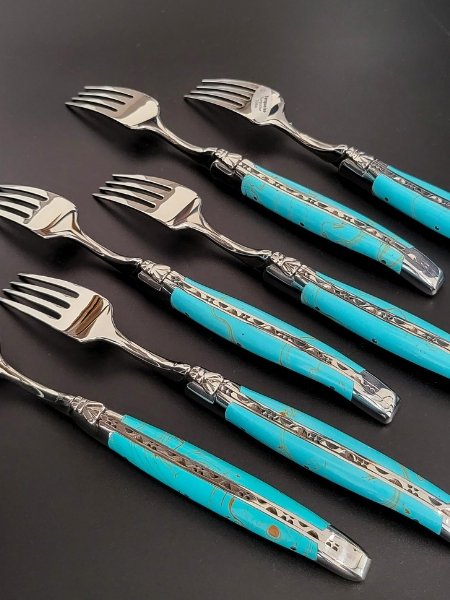
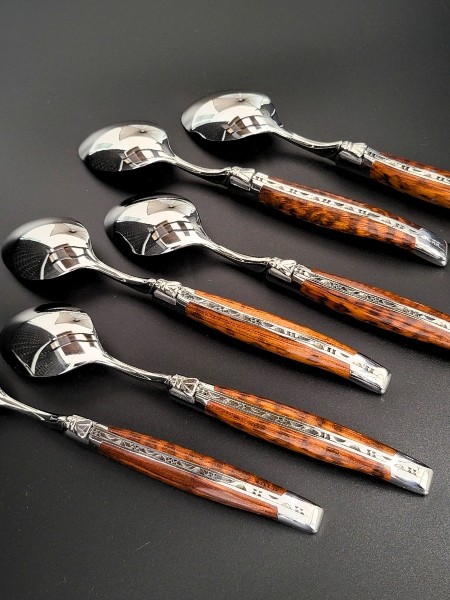
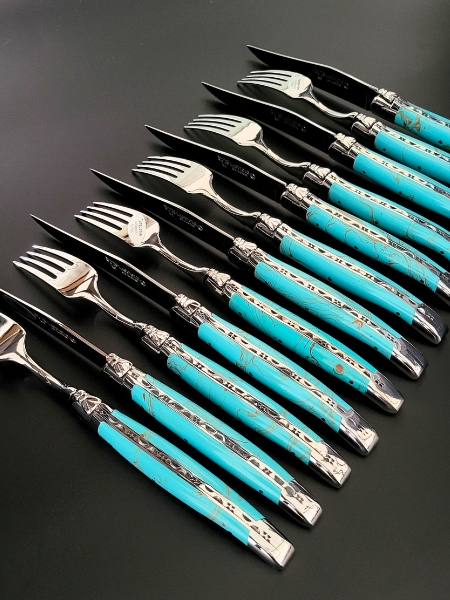
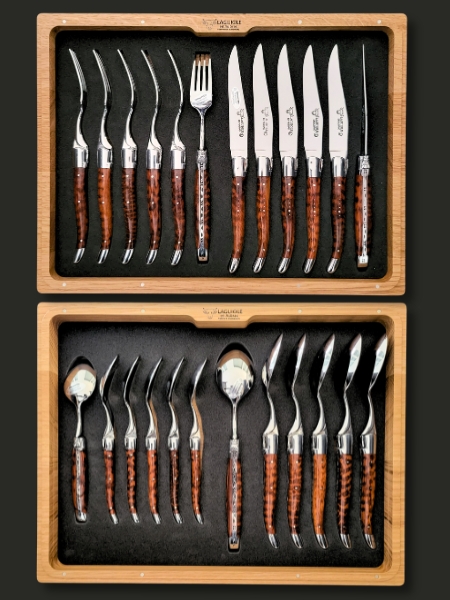
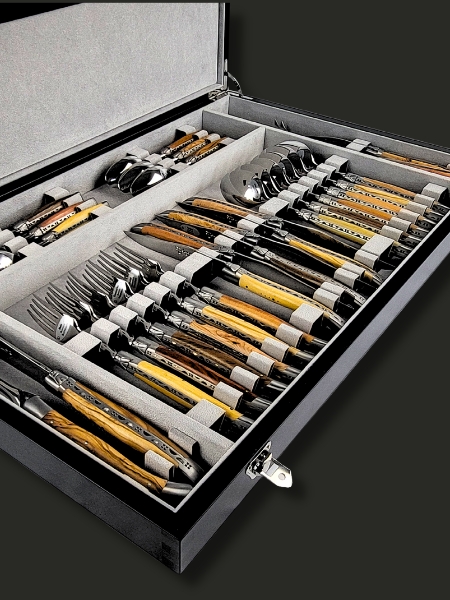
Explore our curated selection of Laguiole en Aubrac cutlery sets, ranging from classic to contemporary styles, featuring an array of vibrant and unique handle materials. Available in sets of 2, 4, or 6, with optional forks, as well as soup and dessert spoons.
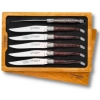
Various handle materials
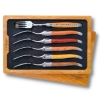
Various handle materials
Various handle materials
Various handle materials
Various handle materials
Various handle materials
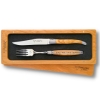
Various handle materials
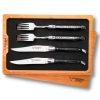
Various handle materials
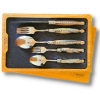
Various handle materials
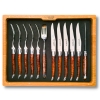
Various handle materials
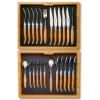
Various handle materials
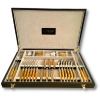
Various handle materials
Additional Knives and Sets
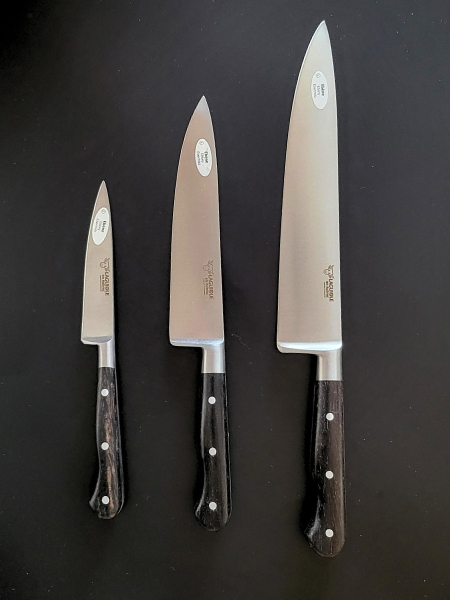
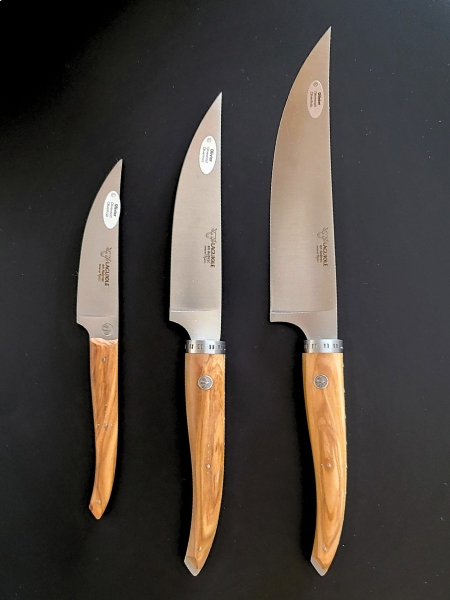
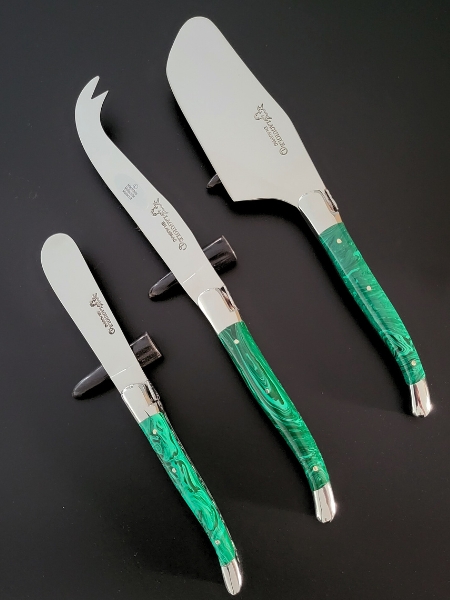
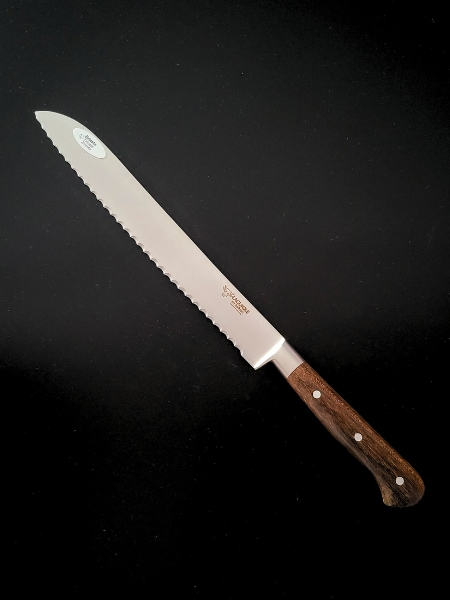
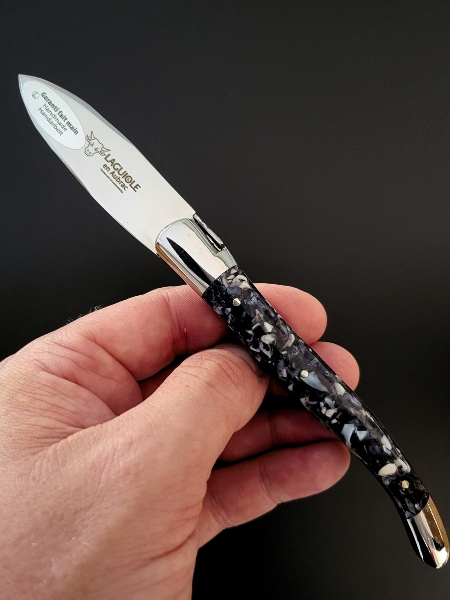
Explore our supplementary cutlery range, crafted to elevate your dining experience and provide you with an unmatched culinary journey. This sophisticated and stylish collection encompasses cheese knives, oyster knives, carving sets, and a myriad of other indispensable accessories for a meticulously arranged table.
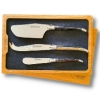
Individuals or in sets x3
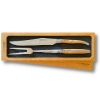
Various handle materials
Various handle materials
Various handle materials
Individuals or in sets x3
Recycled seashell handles
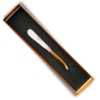
Various handle materials
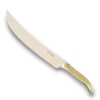
Various handle materials