Limited vs One-of-a-Kind — what the terms mean

Limited Editions are produced in small, numbered runs that share a common concept — perhaps a particular sculpted bee, a specific file-work motif on the spine and plates, or a coordinated choice of scale materials. Each piece is still handmade, so minor variations are natural, but the theme remains constant. A Limited Edition suits collectors who enjoy coherence: you can recognise the series at a glance.

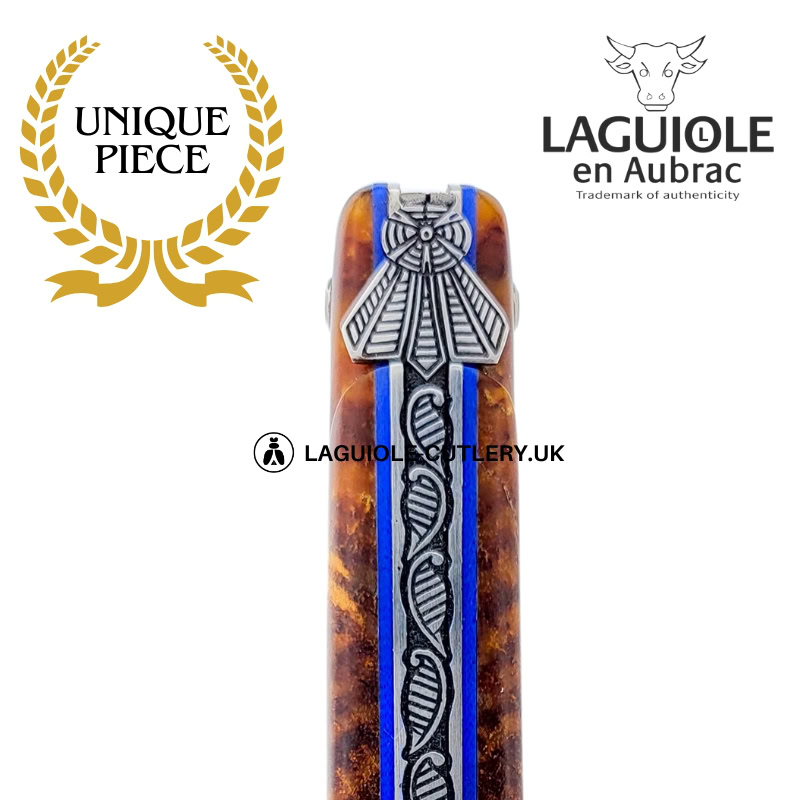
One-of-a-Kind Pieces are singular compositions. The maker selects materials, emblem and file-work specifically for that knife, and the result will not be repeated. You don’t merely buy a specification; you buy a story crystallised in one object. This route suits owners who want unmistakable individuality — the feeling that the knife on the table could not be anyone else’s.

Both types are handmade in France with the composed mechanics expected of genuine Laguiole. The difference lies in narrative and scarcity: a small series to collect, or a single statement to keep.

Best features of limited & one-of-a-kind Laguioles

Browse the selection after reading: Limited & Truly Unique Laguiole Editions.

Explore Limited & One-of-a-Kind selections →

✓ In stock. Delivery by Friday 30 October

Plates, spine & emblem — where the craft shows

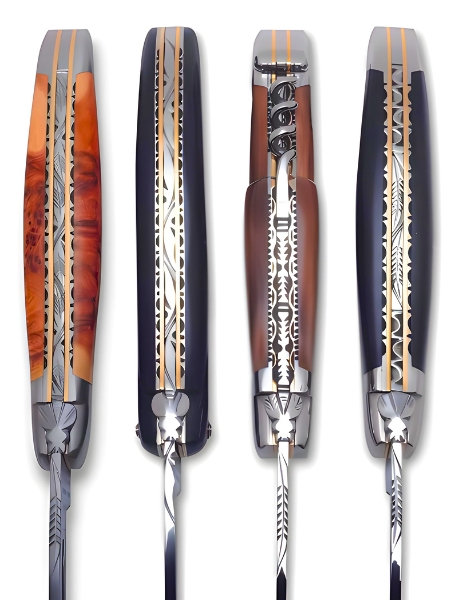
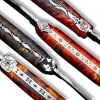
A Laguiole communicates through transitions and lines. On unique and limited pieces, attention concentrates at three points: the plates, the spine and the emblem.

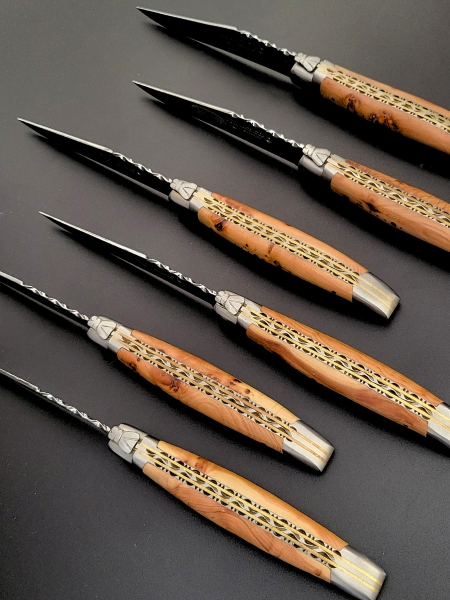
  • Plates — the thin metal elements beneath the scales, here hand-filed to mirror the spine’s pattern and bring the frame to life. Edges should feel smooth, and the pattern should run coherent from head to tail.
  • Spine — decorative file-work that is crisp to the touch and aligned left to right. Good work feels precise, not busy.
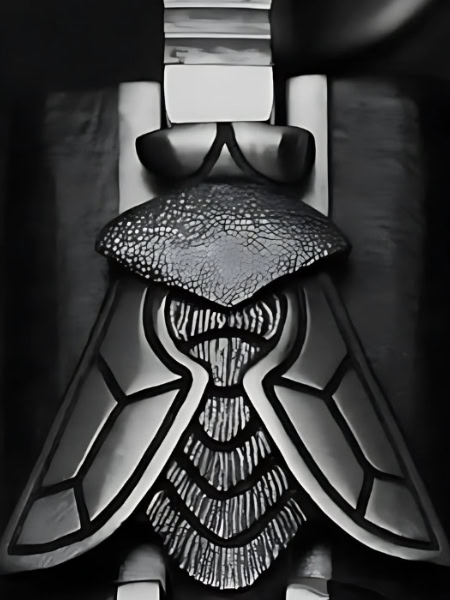
  • Emblem — a sculpted bee or a special motif that blends into the spring without a visible step. Relief should be clean; edges should read fluent, not stamped.

Run your thumb along the back: you should feel channels, not scratches. Tilt the knife under light: the plates should catch with a disciplined rhythm, not random reflection. These are the tells of committed handwork.


Authenticity & provenance — quick checks for UK buyers

  • Documentation of origin — paperwork confirming French manufacture and materials.
  • Fit & finish — clean transitions at bolsters and scales; no gaps at spring or plates; blade seats home with no rub.
  • Action — even opening resistance; composed closing; no grinding, no wobble at the joint.
  • Spine & plates — decorative file-work crisp to the touch; patterns aligned and symmetrical.
  • Materials clarity — stainless blade specified; stainless Damascus where noted; scale material precisely named.
  • Retail confidence (UK) — curated selection, tracked delivery and straightforward returns.

Specification — choose by feel, mood and context

You don’t need a checklist as long as your arm. Make a few clear decisions and you’ll arrive at the right knife.

Blade family

  • Stainless steel — calm, monochrome character; excellent for everyday cutting and discreet styling.
  • Stainless Damascus — layered lines for visual depth; lovely under warm light; pairs well with calmer scales.

Finish

  • Satin — understated and practical; patterns read softer.
  • Mirror — formal and dramatic; patterns pop at the table.

Scales

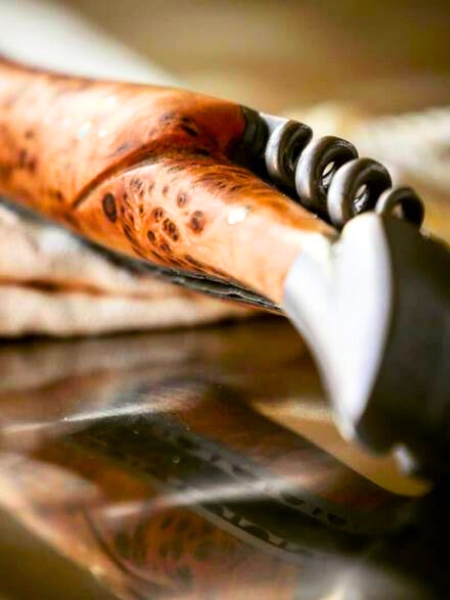
  • Warm woods — walnut and burls for conviviality.
  • Horn — formal, silky tactility; naturally unique.
  • Fossilised mammoth ivory — statement material; choose by tone and figure.
  • Marquetry — pattern on the scales if you want the blade line to stay calmer.

Frame & plates

  • Classic frame with hand-filed plates — lighter in the pocket; pure silhouette with tactile interest along the spine.
  • Double-Plates — a touch more stability and surface for extended file-work; still blazer-friendly.

Comparisons — Limited vs One-of-a-Kind vs Classic

Aspect Limited Editions One-of-a-Kind Pieces Classic Models
Narrative Small numbered series with a shared theme Singular composition not to be repeated Core silhouette, minimal ornament
Collecting Coherent set to build over time Anchor piece for a personal collection Foundational reference for daily use
Visual identity Recognisable motif (emblem/file-work/materials) Unmistakably individual Understated, timeless
Pocket feel Composed; theme-driven detail Composed; detail chosen for this one piece Lightest and purest read
Best for Series-minded collectors, gifting Milestones, unequivocal uniqueness First Laguiole, daily minimalism

All three are “right”; choose the story you’ll enjoy carrying.

majestic ash: full handle laguiole knife in ash wood with sculpted bee & engraved spring

How to choose — five quick decisions

  1. Story — Limited (coherent series) or One-of-a-Kind (singular statement)?
  2. Blade — stainless for calm minimalism, stainless Damascus for visual depth.
  3. Finish — satin for discretion, mirror for ceremony.
  4. Scales — warm woods, refined horn, fossilised mammoth ivory, or marquetry for pattern on the handle.
  5. Frame — classic frame with hand-filed plates for lightness, or Double-Plates for more presence and scope for detail.

Care — simple routines that keep the look

These knives are designed to age with dignity. Keep the routine modest and regular:

  • Wipe & dry after use; avoid soaking and never use a dishwasher.
  • Metal surfaces — use a clean microfibre cloth; if needed, a non-abrasive metal polish sparingly on metal only, kept away from decorative file-work.
  • Natural scales — avoid household cleaners; keep dry and clean with a soft cloth; store away from heat and humidity.
  • Spine & plates — a soft brush keeps channels crisp; a dry cloth preserves the shine.
  • Storage — pouch, drawer insert or presentation box to protect polished surfaces between uses.

Consistency matters more than effort. The right habits let detail stay crisp and surfaces remain composed.

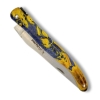
purple shell: laguiole knife in elder burl – carved bee with open wings –– full handle

Common mistakes (and how to avoid them)

  • Choosing rarity over fit — a spectacular material that clashes with your wardrobe or interiors will leave the drawer more often than the pocket. Choose by mood first.
  • Over-polishing — aggressive products can soften edges and blur file-work. Keep cleaning light and regular.
  • Ignoring mechanics — decoration cannot rescue poor action. If the opening pull or closing note feels wrong, choose another piece.
  • Pattern overload — busy scales plus patterned blade can feel restless. Pair an expressive element with a calmer partner.

Uniqueness you can feel

Limited and One-of-a-Kind Laguiole pieces are not louder; they are more deliberate. If you value quiet theatre and objects that carry their story with grace, this is where to choose. When you are ready, explore the current selection and find the piece that fits your table, your pocket and your weekends.

Shop Limited & Truly Unique Editions

FAQ - Limited Editions & One-of-a-Kind Laguiole

A unique piece is a single composition — materials, emblem, file-work and overall mood selected for that one knife. It will not be repeated. A limited edition belongs to a small, numbered run sharing a theme.

Stainless. Where a Damascus blade is specified, it is stainless Damascus chosen for reliable daily use and refined presentation.

Care is simple: wipe and dry after use, keep chemicals away from natural scales, and store the knife dry. A soft brush preserves the crispness of file-work.

Look for clear documentation of French manufacture, clean fit and finish at bolsters and scales, composed action and crisp, aligned file-work on spine and plates.